Capegard Tablet (Capecitabine): Anticancer Chemotherapy Tablet | For Colorectal & Breast Cancer Treatment, Advanced Tumor Management
Capegard Tablet contains Capecitabine, an oral chemotherapy medication used in the treatment of various cancers, including colorectal and breast cancer. It works by interfering with the growth and spread of cancer cells in the body, ultimately helping to slow or stop tumor progression. It is commonly prescribed as part of cancer treatment regimens under medical supervision for its targeted anticancer activity.


Product Overview
Capegard Tablet is an oral anticancer formulation containing Capecitabine, developed for the management of various types of cancer through targeted cytotoxic action. It is widely used in oncology practice, particularly for cancers such as colorectal, breast, and gastric cancer, due to its ability to selectively interfere with tumor cell growth.
The formulation acts as a prodrug that is metabolized within the body into its active form, 5-fluorouracil (5-FU), primarily within tumor tissues. This targeted activation enhances its therapeutic effectiveness while helping to limit systemic exposure. Its oral administration and established efficacy make it a commonly prescribed option in chemotherapy regimens.
Mechanism Insights (How It Works)
- Targeted Conversion
Capecitabine is converted into 5-fluorouracil (5-FU) preferentially within tumor cells, allowing for localized anticancer activity. - DNA Synthesis Inhibition
The active metabolite interferes with DNA synthesis by inhibiting thymidylate synthase, an essential enzyme required for cell replication. - Tumor Cell Destruction
By disrupting DNA and RNA function, the drug prevents cancer cell division and leads to programmed cell death (apoptosis).
Administration Guidelines
- Take exactly as prescribed by an oncologist
- Swallow tablets whole with water, usually within 30 minutes after a meal
- Do not crush or chew the tablet
- Maintain consistent dosing schedule
- Complete the full treatment cycle as advised
Clinical Considerations
- Commonly used as monotherapy or in combination with other chemotherapy agents
- Oral administration offers convenience compared to intravenous therapies
- Requires regular monitoring of blood counts and organ function
- Dose adjustments may be needed based on patient tolerance and response
- Not suitable for unsupervised use; strict medical guidance is essential
Precautions:
Capegard Tablet should be used with caution in certain individuals to ensure safe and effective treatment. Proper medical supervision is essential, especially in patients with pre-existing health conditions or those undergoing long-term cancer therapy.
General Precautions
- Use only as prescribed by an oncologist or healthcare professional
- Follow the exact dosage schedule to maximize effectiveness
- Do not skip doses or discontinue treatment without medical advice
- Avoid self-medication or dose adjustments
Liver Function Considerations
- Capecitabine is metabolized in the liver
- Use cautiously in patients with liver impairment or metastases
- Regular liver function monitoring may be required
- Discontinue or adjust dose if significant liver abnormalities occur
Kidney Function Considerations
- Dose adjustment may be needed in patients with renal impairment
- Monitor kidney function during treatment
- Use cautiously in moderate to severe kidney disease
Pregnancy & Breastfeeding
- Not recommended during pregnancy due to potential harm to the fetus
- Effective contraception is advised during treatment
- Avoid breastfeeding during therapy and for a period after treatment
- Consult a doctor before use in such cases
Blood Cell Monitoring
- May cause decreased white blood cells, red blood cells, or platelets
- Regular blood tests are necessary during treatment
- Report symptoms like unusual bleeding, infections, or fatigue
Gastrointestinal Effects
- Can cause diarrhea, nausea, vomiting, or mouth sores
- Maintain adequate hydration
- Seek medical advice if severe symptoms occur
Hand-Foot Syndrome (Palmar-Plantar Erythrodysesthesia)
- May cause redness, swelling, or pain in hands and feet
- Avoid excessive heat or pressure on affected areas
- Inform your doctor if symptoms become severe
Usage
General Usage Information
Capegard Tablet (Capecitabine) is an oral chemotherapy medication used as part of a targeted anticancer treatment approach. It works by interfering with the growth of cancer cells through inhibition of DNA synthesis. The effectiveness of therapy depends on accurate dosing, proper timing, and strict adherence to the prescribed treatment cycle.
Key Usage Points
✔ Take the medicine exactly as prescribed by an oncologist
✔ Swallow tablets whole with water; do not crush or chew
✔ Usually taken within 30 minutes after a meal
✔ Follow the treatment cycle (e.g., 14 days on treatment, followed by 7 days off, or as directed)
✔ Do not skip doses or stop treatment without medical advice
Uses
Capegard Tablet is widely used in the treatment of various cancers, including:
- Colorectal cancer
- Breast cancer
- Gastric (stomach) cancer
It may be used alone or in combination with other chemotherapy agents depending on the condition.
How to Use
- Administer orally with water after food
- Take doses at the same time each day (usually morning and evening)
- Dosage is based on body surface area, medical condition, and response to treatment
- Follow the prescribed cycle strictly to ensure effectiveness and reduce side effects
- Regular monitoring (blood tests, liver function, etc.) is essential during treatment
Side Effects
General Safety Information
Capegard Tablet (Capecitabine) is an oral chemotherapy medication used in the treatment of certain cancers. While it is effective, it may cause side effects due to its action on rapidly dividing cells. The severity and occurrence of side effects can vary depending on the individual’s health condition, dosage, and duration of treatment.
Most side effects are manageable and may improve as the body adjusts to the medication, but close medical supervision is important during therapy.
Common Side Effects
✔ Nausea or vomiting
✔ Diarrhea
✔ Fatigue or weakness
✔ Loss of appetite
✔ Hand-foot syndrome (redness, swelling, or pain in palms and soles)
These side effects are relatively common and may be controlled with supportive care or dose adjustments.
Serious Side Effects (Rare but Important)
⚠ Seek immediate medical attention if you experience:
- Severe diarrhea or dehydration
- Chest pain or irregular heartbeat
- Signs of infection (fever, chills, sore throat)
- Unusual bleeding or bruising
- Unusual bleeding or bruising
- Persistent vomiting or inability to eat
Risk Factors & Monitoring
- Higher risk in elderly patients or those with kidney or liver impairment
- Regular blood tests may be required to monitor blood cell counts and organ function
- Dose adjustments may be necessary based on tolerance and response
- Patients should remain under strict medical supervision during treatment
FAQs
What is Capegard Tablet used for?
Capegard Tablet is used in the treatment of certain types of cancer, including breast cancer, colorectal cancer, and gastric cancer. It helps slow down or stop the growth of cancer cells in the body.
How does Capegard Tablet work in the body?
It contains Capecitabine, which is converted into an active anti-cancer substance inside the body. This active form interferes with the DNA production of cancer cells, preventing their growth and multiplication.
Can Capegard Tablet be given to children?
Capegard Tablet is generally not recommended for children unless specifically prescribed by an oncologist. Its use in pediatric patients requires strict medical supervision.
How should I take Capegard Tablet?
It should be taken exactly as prescribed by your doctor, usually within 30 minutes after a meal. Swallow the tablet whole with water and do not crush or chew it. Follow the dosing schedule carefully.
What should I do if I miss a dose?
If you miss a dose, skip it and take the next dose at the scheduled time. Do not take a double dose to make up for the missed one, as this may increase the risk of side effects.
Interactions
General Interaction Overview
Capegard Tablet (Capecitabine) is an oral chemotherapy medication that may interact with various drugs, supplements, and certain foods. These interactions can influence how the medicine is metabolized, potentially increasing toxicity or reducing its effectiveness. Because Capecitabine is converted into its active form inside the body, any factor affecting liver enzymes or blood cell function can be clinically significant.
It is essential to inform your healthcare provider about all prescription drugs, over-the-counter medicines, and supplements you are taking before starting treatment.
Commonly Reported Interactions
- Anticoagulants (e.g., Warfarin)
May significantly increase the risk of bleeding due to enhanced anticoagulant effects. Close monitoring of clotting parameters is required. - Antiepileptic drugs (e.g., Phenytoin)
Capecitabine may increase phenytoin levels, leading to toxicity such as dizziness or coordination issues. - Folinic acid / Leucovorin
Can enhance the effects of Capecitabine, increasing both therapeutic response and risk of side effects like diarrhea or mucositis.
Important Note
Due to the potential for serious interactions, always follow your doctor’s guidance and avoid self-adjusting doses. Regular monitoring and communication with your healthcare provider are key to safe and effective treatment.
| Manufacturer | : | Cipla Pharma, India |
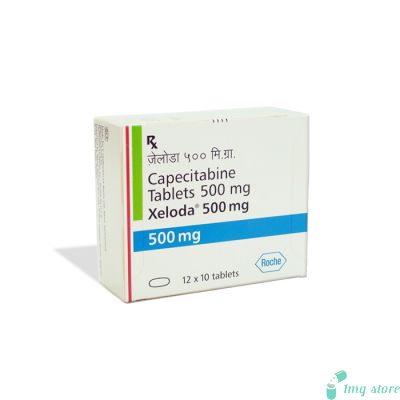
| Equivalent Brand | : | Xeloda |
| Generic Search | : | Capecitabine |
Latest Products