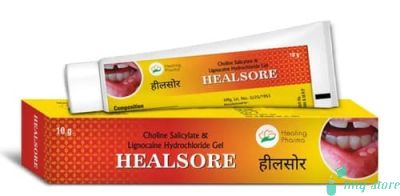
Dologel Gel (Choline Salicylate + Lidocaine + Benzalkonium Chloride): Oral Analgesic and Antiseptic Gel | For Relief of Mouth Ulcers, Oral Pain and Gum Discomfort
Dologel Gel contains choline salicylate (8.7% w/w), lidocaine (2% w/w), and benzalkonium chloride (0.01% w/w). It helps relieve mouth pain and discomfort by reducing inflammation, temporarily numbing the affected area, and providing antiseptic action. It is commonly used for mouth ulcers, gum discomfort, and minor oral irritation. Use as directed by your healthcare professional.


Product Overview
Dologel Gel contains Choline Salicylate, Lidocaine (Lignocaine) Hydrochloride, and Benzalkonium Chloride. It is an oral gel used to help relieve pain and discomfort associated with mouth ulcers, sore gums, and minor irritation inside the mouth. Choline salicylate helps reduce pain and inflammation, lidocaine provides local numbing, and benzalkonium chloride acts as an antiseptic.
How Does Dologel Gel Work?
Dologel combines three ingredients that serve different purposes. Choline salicylate helps ease inflammation and pain, lidocaine temporarily numbs the affected area, and benzalkonium chloride helps limit the growth of certain microorganisms.
Understanding Its Role in the Body
Dologel works locally inside the mouth to provide temporary relief from discomfort. It may make eating and speaking more comfortable when mouth ulcers or gum irritation are painful, but persistent symptoms may require examination by a dental or healthcare professional.
Key Uses of Dologel Gel
- Mouth ulcers: Helps relieve pain and inflammation around ulcers.
- Gum discomfort: Provides temporary relief from soreness and irritation of the gums.
- Minor oral irritation: Helps ease discomfort associated with minor irritation inside the mouth.
Clinical Considerations
Before using Dologel, inform your healthcare professional about any allergies to salicylates, aspirin, or local anaesthetics. Seek advice before use in children, during pregnancy or breastfeeding, or if you take blood-thinning medicines.
Important Information
Dologel may cause temporary stinging, irritation, or numbness in the mouth. Use it only as directed, and avoid eating or drinking while the mouth is numb to reduce the risk of biting yourself or choking. Do not swallow large amounts or apply it more frequently than recommended. Seek medical advice if ulcers persist, worsen, or are accompanied by fever or difficulty swallowing.
Note: Use Dologel Gel according to the product instructions or a healthcare professional's advice. Check the packaging for the exact ingredients and strengths before use.
Add clear application instructionsSeparate precautions from warnings
Precautions
Dologel Gel contains choline salicylate, lidocaine (lignocaine) hydrochloride, and benzalkonium chloride. It is used to help relieve oral pain and discomfort while providing a local anaesthetic and antiseptic effect. Follow the product instructions carefully to avoid irritation or unwanted effects.
Before You Start
Consult a healthcare professional: Check whether the gel is suitable for your symptoms.
Check the ingredients: Inform your healthcare professional about any allergies to salicylates, lidocaine, or other ingredients.
Discuss medical conditions: Seek advice if you have a history of stomach ulcers, bleeding problems, or other significant health conditions.
Mention other medicines: Inform your healthcare professional about other medicines you use, especially those containing salicylates or local anaesthetics.
Pregnancy and breastfeeding: Ask a healthcare professional before using the gel.
While Using It
Follow the instructions: Apply the recommended amount as directed on the product label.
Avoid excessive use: Applying too much or using it too frequently may increase the risk of side effects.
Avoid swallowing: Use the gel as directed and avoid swallowing unnecessary amounts.
Be careful with food and drinks: Temporary numbness may affect sensation in the mouth. Avoid eating or drinking until normal sensation returns to reduce the risk of biting yourself or choking.
Avoid contact with the eyes: If accidental contact occurs, rinse thoroughly with water.
Monitor irritation: Stop using the gel and seek advice if irritation or discomfort worsens.
When to Seek Medical Help
Persistent symptoms: Consult a healthcare professional if mouth pain or ulcers do not improve or continue to worsen.
Allergic reactions: Seek immediate medical attention for swelling, widespread rash, or difficulty breathing.
Unusual symptoms: Get medical advice if you experience severe irritation, unusual bleeding, or significant swelling.
Note:
Use Dologel Gel according to the product label or healthcare professional’s instructions. Avoid excessive or prolonged use, and seek advice if symptoms persist. Check the product leaflet for age-specific precautions, particularly before using it in young children.
Usage
Follow the product instructions: Use Dologel Gel (Choline Salicylate + Lidocaine + Benzalkonium Chloride) according to the product label or your healthcare professional's advice.
Apply as directed: Use the recommended amount on the affected area inside the mouth. Avoid applying more frequently than instructed.
Maintain oral hygiene: Keep your mouth clean and avoid irritating the affected area with very hot, spicy, or acidic foods.
Check before combining treatments: Inform your healthcare professional about other oral gels, pain-relief medicines, or antiseptic products you use.
Take precautions after application: Lidocaine may temporarily numb the mouth. Avoid eating or drinking until normal sensation returns to reduce the risk of accidentally biting yourself or choking.
Monitor for reactions: Stop using the gel and seek medical advice if you experience worsening irritation, swelling, or an allergic reaction.
Uses
Dologel Gel contains Choline Salicylate, Lidocaine (Lignocaine) Hydrochloride, and Benzalkonium Chloride. These ingredients help relieve oral discomfort, provide local anaesthesia, and offer antiseptic action.
Mouth ulcers: Helps relieve pain and discomfort associated with minor oral ulcers.
Oral pain: Lidocaine temporarily numbs the affected area to provide local pain relief.
Gum discomfort: May help ease discomfort associated with minor gum irritation.
Local inflammation: Choline salicylate helps reduce pain and inflammation in the affected area.
Antiseptic action: Benzalkonium chloride helps limit the growth of certain microorganisms, depending on the formulation.
Note: Use Dologel Gel only as directed and confirm the instructions on the product packaging. Avoid swallowing the gel or applying excessive amounts. Consult a healthcare professional if mouth ulcers persist, recur frequently, worsen, or are accompanied by fever or difficulty swallowing.
Side Effects
Dologel Gel is used to help relieve pain and discomfort associated with mouth ulcers, gum irritation, and other minor oral conditions. Like other medicines, it may cause side effects in some people.
Common Side Effects
Mild burning or stinging: You may feel a slight burning sensation after applying the gel.
Mouth irritation: The affected area may temporarily feel irritated or uncomfortable.
Numbness: Lidocaine may cause temporary numbness in the mouth or surrounding area.
Taste changes: You may notice an unusual taste after application.
Mouth redness: Mild redness or irritation may occur at the application site.
Serious Side Effects
Allergic reactions: Rash, itching, swelling of the face or throat, or difficulty breathing requires immediate medical attention.
Severe mouth irritation: Persistent burning, swelling, or worsening discomfort should be assessed by a healthcare professional.
Unusual numbness: Excessive or prolonged numbness in the mouth or throat should be discussed with a doctor.
Signs of salicylate sensitivity: Unusual bruising or bleeding should be medically assessed, particularly with excessive use.
Note: Be careful while eating or drinking if your mouth is numb, as this may increase the risk of accidentally biting yourself or burning your mouth.
FAQs
1. What is Dologel Gel used for?
Dologel Gel is a topical oral gel used to help relieve pain and discomfort associated with mouth ulcers, gum irritation, and other minor oral conditions.
2. How does Dologel Gel work?
Choline salicylate helps reduce pain and inflammation, lidocaine hydrochloride temporarily numbs the affected area, and benzalkonium chloride acts as an antiseptic.
3. How should Dologel Gel be applied?
Apply a small amount to the affected area as directed on the product label or by your healthcare professional. Wash your hands before and after application.
4. What are the common side effects of Dologel Gel?
Possible side effects include temporary burning, irritation, redness, or numbness at the application site. Stop using it and seek medical advice if you experience a severe reaction.
5. Can Dologel Gel help relieve mouth ulcers?
Yes, it may help relieve pain and discomfort associated with mouth ulcers. However, persistent, recurrent, or severe ulcers should be evaluated by a healthcare professional.
6. Can Dologel Gel be swallowed?
Dologel Gel is intended for application to the affected area of the mouth, not for deliberate swallowing. Follow the product instructions and avoid using excessive amounts.
7. Can Dologel Gel be used for teething pain in children?
Do not use it for teething pain in infants or young children unless specifically advised by a qualified healthcare professional. Lidocaine-containing oral products can cause serious adverse effects if misused.
8. Who should avoid using Dologel Gel?
People allergic to choline salicylate, lidocaine, other local anaesthetics, or any of the product's ingredients should avoid using it. Consult a healthcare professional if you have a bleeding disorder, stomach ulcer, or other significant medical condition.
9. Can Dologel Gel be used with other medicines?
Consult your healthcare professional before combining it with other oral gels or medicines, particularly other local anaesthetics or salicylate-containing products.
10. When should I consult a doctor about mouth ulcers?
Seek medical advice if an ulcer lasts longer than two to three weeks, repeatedly returns, becomes increasingly painful, or is accompanied by fever, swelling, or difficulty swallowing.
Interactions
Dologel Gel is used for local relief of mouth and gum discomfort. Although it is applied directly to the affected area, certain medicines and products may increase the risk of side effects.
1. Other Pain-Relief Medicines
Interaction: Using other salicylate-containing products or certain anti-inflammatory painkillers may increase the risk of side effects, particularly with frequent or excessive use.
Advice: Inform your doctor or pharmacist about the pain-relief medicines you take.
2. Blood-Thinning Medicines
Interaction: Choline salicylate may require extra caution in people taking blood thinners, as salicylates can increase bleeding risk, particularly with excessive or prolonged use.
Advice: Seek medical advice before using Dologel if you take medicines such as warfarin.
3. Other Local Anaesthetics
Interaction: Using Dologel with other products containing lidocaine or similar local anaesthetics may increase the risk of numbness and other unwanted effects if too much is absorbed.
Advice: Check with your healthcare professional before combining it with other numbing gels, sprays, or oral products.
4. Other Mouth Products
Interaction: Using several gels, mouthwashes, or oral treatments together may cause additional irritation or affect how the products work.
Advice: Ask your pharmacist how to space out different oral products, especially if they contain antiseptics or local anaesthetics.
5. Products Containing Alcohol
Interaction: Alcohol-containing mouthwashes may cause stinging or irritation in sensitive areas of the mouth. This is not necessarily a direct drug interaction with Dologel.
Advice: Consider avoiding mouthwashes that irritate the affected area and follow your dentist’s recommendations.
Important: Consult a healthcare professional if symptoms persist or worsen.
| Manufacturer | : | Dr. Reddy Lab, India |
| Equivalent Brand | : | |
| Generic Search | : | Choline Salicylate + Lidocaine + Benzalkonium Chloride |
Latest Products