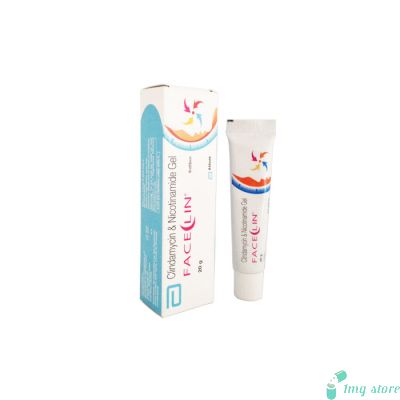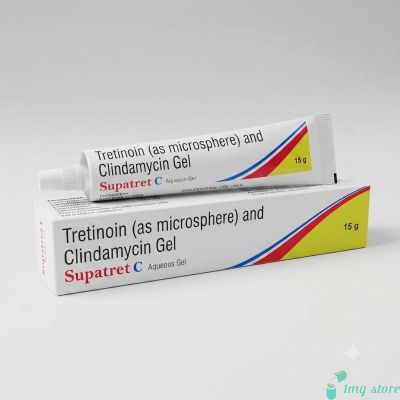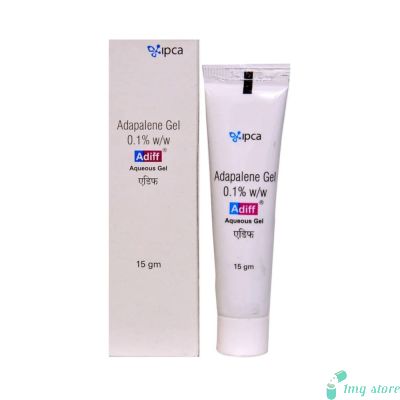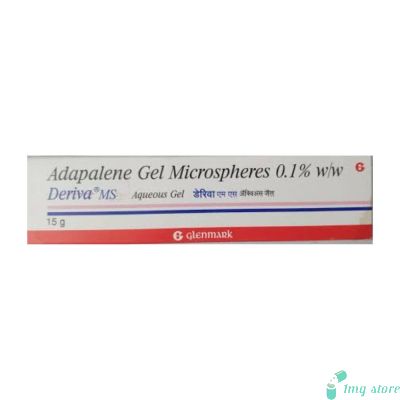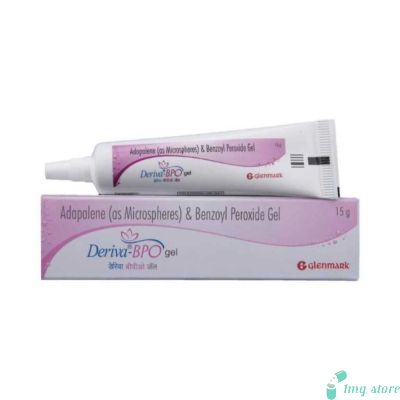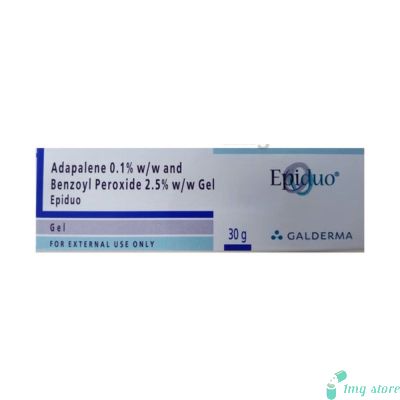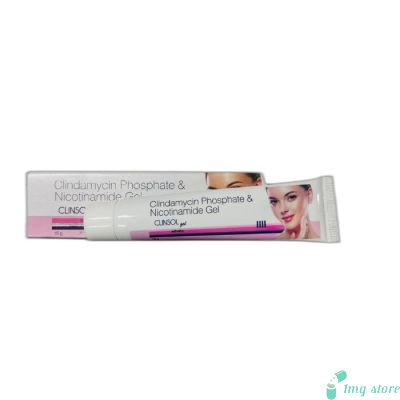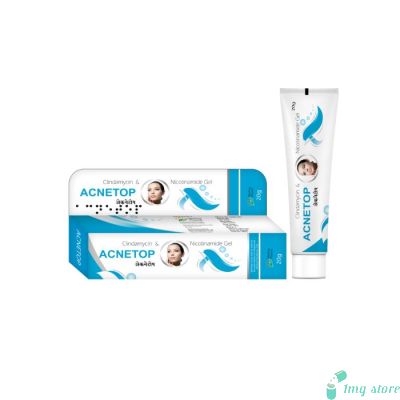
Faceclin AT Gel (adapalene + benzoyl peroxide + clindamycin phosphate) | Used for Acne Treatment and Pimple Management


Product Overview
What Is Faceclin AT Gel?
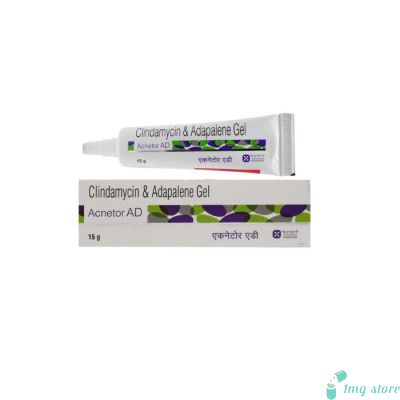
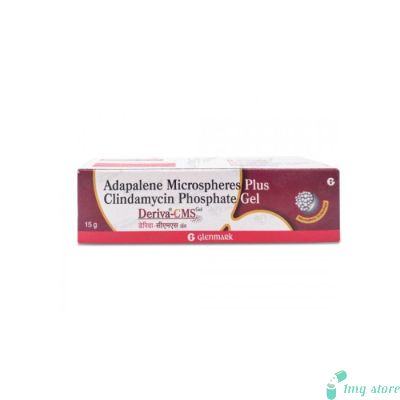
Faceclin AT Gel contains adapalene and clindamycin, active ingredients commonly used to manage acne and pimples. Adapalene is a topical retinoid that helps regulate skin cell turnover and prevent clogged pores, while clindamycin is an antibiotic that helps reduce acne-causing bacteria and inflammation.
How Does Faceclin AT Gel Work?
Adapalene helps normalize the growth and shedding of skin cells, reducing the formation of clogged pores and new acne lesions. Clindamycin works against acne-associated bacteria and helps reduce inflammation. Together, these ingredients support the management of acne and help improve the appearance of acne-prone skin.
| Product Information | Details |
| Product Name | Faceclin AT Gel |
| Active Ingredients | Adapalene + Clindamycin |
| Product Type | Topical Acne Treatment |
| Dosage Form | Gel |
| Main Uses | Acne and pimple management |
| Route | Topical |
What Is Faceclin AT Gel Used For?
Faceclin AT Gel is generally used to manage acne, including pimples, clogged pores, and inflammatory acne lesions. Regular topical application may help reduce existing breakouts and limit the formation of new acne lesions.
Acne Management
The combination of adapalene and clindamycin helps address different factors involved in acne. Adapalene helps prevent clogged pores, while clindamycin helps reduce acne-associated bacteria and inflammation.
Reducing Pimples
Adapalene helps keep pores clear and supports the prevention of new acne lesions. With consistent use, it may help reduce the frequency of pimples and improve overall skin texture.
Managing Inflammation
Clindamycin helps reduce bacterial activity associated with acne and may help calm inflammation around affected areas. This can support the improvement of red and inflamed acne lesions.
Preventing Clogged Pores
Adapalene promotes more normal skin cell turnover, helping reduce the buildup of dead skin cells within pores. This action may help limit the development of blackheads, whiteheads, and other acne lesions.
Precaution
Skin Irritation
Faceclin AT Gel may cause dryness, redness, peeling, burning, or mild irritation, particularly when treatment is started. If irritation becomes severe or persistent, seek appropriate medical advice.
Sun Exposure
Adapalene can make the skin more sensitive to sunlight. Limit prolonged sun exposure and use suitable sun protection when outdoors during treatment.
Sensitive or Damaged Skin
Avoid applying Faceclin AT Gel to cuts, abrasions, sunburned skin, eczema-affected areas, or severely irritated skin, as this may increase discomfort.
Eyes, Lips, and Mucous Membranes
Avoid contact with the eyes, lips, inside of the nose, and other sensitive areas. If the gel accidentally gets into the eyes, rinse thoroughly with clean water.
Use With Other Skin Products
Using Faceclin AT Gel together with other products that can cause dryness or irritation, such as harsh cleansers, exfoliants, or certain acne treatments, may increase skin irritation. Use such products cautiously.
Pregnancy
If you are pregnant, planning pregnancy, or become pregnant while using Faceclin AT Gel, discuss its continued use with a healthcare professional because adapalene is generally avoided during pregnancy.
Breastfeeding
If you are breastfeeding, discuss the use of Faceclin AT Gel with a healthcare professional. Avoid applying the gel to areas where the infant could come into contact with treated skin.
Long-Term or Prolonged Use
Use Faceclin AT Gel only for the duration recommended for your acne condition. Prolonged or unnecessary use of topical antibiotics such as clindamycin may contribute to bacterial resistance. Report persistent or worsening skin irritation during treatment.
Usage
Apply as Directed
Apply Faceclin AT Gel according to the directions provided for your acne condition. Use the recommended amount and frequency consistently.
Apply to Clean, Dry Skin
Gently cleanse the affected area and allow the skin to dry before applying the gel. Avoid rubbing the skin harshly before application.
Use a Thin Layer
Apply a thin, even layer of Faceclin AT Gel over the acne-affected area. Avoid applying excessive amounts, as this may increase dryness and irritation without improving results.
Use Regularly
Adapalene and clindamycin generally require consistent use to manage acne effectively. Continue using the gel as directed, even if improvement is gradual.
Avoid Sensitive Areas
Do not apply the gel to the eyes, lips, inside of the nose, or other sensitive areas. Avoid applying it to cuts, abrasions, or severely irritated skin.
Use Sun Protection
Adapalene may increase sensitivity to sunlight. Limit prolonged sun exposure and use suitable sun protection during the day.
Uses
Acne Management
Faceclin AT Gel is used to manage acne, including pimples, clogged pores, and inflammatory acne lesions.
Reducing Pimples
The combination of adapalene and clindamycin may help reduce existing pimples and support clearer-looking skin with regular use.
Managing Inflammatory Acne
Clindamycin helps reduce acne-associated bacterial activity and inflammation, supporting the management of red and inflamed acne lesions.
Preventing Clogged Pores
Adapalene helps regulate skin cell turnover and reduce the formation of clogged pores, which can contribute to new acne lesions.
Managing Blackheads and Whiteheads
Adapalene can help improve clogged pores associated with blackheads and whiteheads as part of an ongoing acne-care routine.
Supporting Long-Term Acne Control
Consistent use of Faceclin AT Gel may help manage recurring acne and reduce the formation of new lesions as part of a suitable skin-care and treatment routine.
Side Effects
Dryness
Faceclin AT Gel may cause dryness of the skin, particularly during the initial weeks of use. Using a gentle moisturizer may help manage mild dryness.
Redness
Some people may experience redness or a flushed appearance at the application site. This may improve as the skin gradually adjusts to treatment.
Peeling
Adapalene may cause peeling or flaking of the skin, especially when treatment is started. Avoid excessive rubbing or scrubbing of the affected area.
Burning or Stinging
Mild burning, stinging, or a warm sensation may occur after applying the gel. If these effects become severe or persistent, seek appropriate advice.
Skin Irritation
Itching, tenderness, or general irritation may occur at the application site. Using gentle skin-care products can help minimize additional irritation.
Increased Sun Sensitivity
Adapalene may make the skin more sensitive to sunlight, potentially resulting in increased irritation or sunburn. Limit prolonged sun exposure and use suitable sun protection.
Severe Skin Reaction
Rarely, significant swelling, blistering, severe redness, or other serious skin reactions may occur. Stop using the product and seek prompt medical attention if a severe reaction develops.
FAQs
What Is Faceclin AT Gel?
Faceclin AT Gel contains adapalene and clindamycin, active ingredients commonly used to manage acne, pimples, clogged pores, and inflammatory acne lesions.
What Is Faceclin AT Gel Used For?
It is generally used to manage acne and help reduce pimples, clogged pores, blackheads, whiteheads, and inflammatory acne lesions.
How Does Faceclin AT Gel Work?
Adapalene helps regulate skin cell turnover and prevent clogged pores, while clindamycin helps reduce acne-associated bacteria and inflammation. Together, they help manage different factors involved in acne.
Can Faceclin AT Gel Be Used on All Types of Acne?
Faceclin AT Gel may be used for different forms of acne, particularly acne involving clogged pores and inflammation. Suitability can vary depending on the type and severity of acne.
Can Faceclin AT Gel Cause Skin Irritation?
Yes, dryness, redness, peeling, burning, or mild irritation may occur, especially when treatment is started. These effects may become less noticeable as the skin adjusts.
Can Faceclin AT Gel Make Skin Sensitive to Sunlight?
Adapalene may increase sensitivity to sunlight. Limit prolonged sun exposure and use appropriate sun protection while using the gel.
Can Faceclin AT Gel Be Used With Other Acne Products?
Other acne products may sometimes be used alongside Faceclin AT Gel, but products that cause dryness or irritation can increase skin discomfort. Follow appropriate guidance when combining treatments.
Interactions
Other Topical Acne Treatments
Using Faceclin AT Gel with other topical acne products, particularly those containing retinoids, benzoyl peroxide, salicylic acid, or other irritating ingredients, may increase dryness, peeling, redness, or skin irritation.
Harsh Skin-Care Products
Strong cleansers, abrasive scrubs, exfoliating products, or alcohol-based skin-care products may increase irritation when used with Faceclin AT Gel. Use gentle skin-care products during treatment.
Products That Increase Skin Sensitivity
Some topical or cosmetic products may make the skin more sensitive or irritated when combined with adapalene. Use caution with products that cause dryness or peeling.
Other Topical Medicines
Inform a healthcare professional about any other creams, gels, lotions, or ointments being applied to the same area. Using multiple topical treatments together may increase local irritation.
Antibiotic Products
Faceclin AT Gel contains clindamycin, a topical antibiotic. Inform a healthcare professional if you are using other antibiotic products, particularly those applied to the skin, to help avoid unnecessary duplication of antibiotic therapy.
Products Containing Alcohol
Alcohol-based toners, cleansers, or other skin-care products may worsen dryness and irritation associated with adapalene. Consider using mild, non-drying alternatives.
Other Regular Medicines and Products
Tell your healthcare professional about all medicines, skin-care products, cosmetics, and supplements you use. This can help identify potential interactions and support appropriate use of Faceclin AT Gel.
| Manufacturer | : | Abbott India Ltd |
| Equivalent Brand | : | Faceclin AT |
| Generic Search | : | adapalene + benzoyl peroxide + clindamycin phosphate |
Latest Products