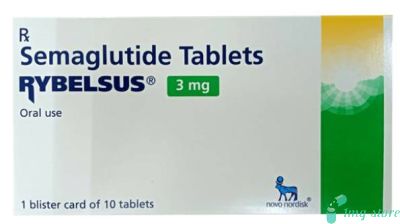
Hepaglide Injection (Semaglutide): GLP-1 Receptor Agonist Injection | For Type 2 Diabetes Mellitus Management, Glycemic Control, and Chronic Weight Management Support
Hepaglide Injection contains Semaglutide, a long-acting GLP-1 receptor agonist used primarily for the management of type 2 diabetes mellitus and for medically supervised weight management. It is designed to help improve overall blood sugar control in adults when diet, exercise, and oral medications alone are not sufficient to achieve desired results.


Introduction of Hepaglide Injection (Semaglutide)
Hepaglide Injection contains Semaglutide, a long-acting medication that belongs to the class of GLP-1 (Glucagon-Like Peptide-1) receptor agonists. It is widely used in modern medical practice for the management of type 2 diabetes mellitus and is also increasingly prescribed for weight management in patients who are overweight or obese under strict medical supervision.
Semaglutide works by mimicking the action of a naturally occurring hormone in the body known as GLP-1, which plays an important role in regulating blood sugar levels and appetite. After administration, it enhances insulin secretion in response to elevated blood glucose levels while simultaneously reducing the release of glucagon, a hormone that increases blood sugar. This dual action helps maintain better glycemic control throughout the day.
Precautions Of Hepaglide Injection (Semaglutide)
- Use only under proper medical supervision
- Not suitable for Type 1 diabetes or diabetic ketoacidosis
- Avoid if allergic to Semaglutide or any ingredient
- Use with caution in patients with thyroid disorders
- Inform your doctor if you have a history of pancreatitis
- Patients with kidney or liver problems should use carefully
- Not recommended during pregnancy or breastfeeding
- May cause low blood sugar when used with other diabetes medicines
Side Effects of Hepaglide Injection (Semaglutide)
Common Side Effects
- Nausea
- Vomiting
- Diarrhea
- Constipation
- Loss of appetite
- Abdominal discomfort
Serious Side Effects
- Pancreatitis (severe abdominal pain)
- Hypoglycemia (especially with other diabetes medications)
- Gallbladder problems
- Allergic reactions (rash, swelling, itching)
- Increased heart rate
FAQs of Hepaglide Injection (Semaglutide)
Q1. What is Hepaglide Injection used for?
Hepaglide Injection (Semaglutide) is used to manage type 2 diabetes and may also support weight loss under medical supervision.
Q2. How does Hepaglide Injection work?
It works by increasing insulin secretion, reducing glucagon levels, slowing digestion, and decreasing appetite.
Q3. How often should Hepaglide Injection be taken?
It is usually administered once weekly as prescribed by a doctor.
Q4. Can Hepaglide Injection help in weight loss?
Yes, it helps reduce appetite and supports weight loss in overweight or obese patients.
Q5. What are the common side effects?
Common side effects include nausea, vomiting, diarrhea, constipation, and reduced appetite.
Q6. Is Hepaglide Injection safe for long-term use?
Yes, it can be used long-term under proper medical supervision and regular monitoring.
Q7. Who should avoid using this medicine?
Patients with Type 1 diabetes, severe allergy to Semaglutide, or certain thyroid conditions should avoid it unless advised by a doctor.
Q8. Can I take it with other diabetes medicines?
Yes, but only under medical guidance, as it may increase the risk of low blood sugar.
Interactions of Hepaglide Injection (Semaglutide)
- Insulin and Sulfonylureas: Increased risk of low blood sugar (hypoglycemia)
- Oral medicines: May delay absorption due to slow gastric emptying
- Anticoagulants (e.g., Warfarin): Monitoring may be required
- Blood pressure medicines: May enhance blood pressure–lowering effect
- Thyroid medications: Use with caution in thyroid disorders
- Diuretics (water pills): Increased risk of dehydration
- Other GLP-1 receptor agonists: Should not be used together
- Alcohol: May increase side effects and risk of hypoglycemia
| Manufacturer | : | Alkem Laboratories Ltd |
| Equivalent Brand | : | Ozempic |
| Generic Search | : | Semaglutide |
Latest Products