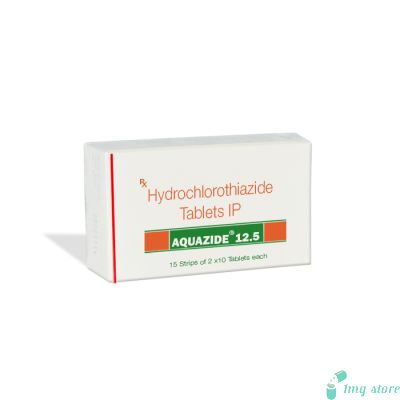
Hydrazide Tablet (Hydrochlorothiazide): Diuretic Medicine - Water Pill | for High Blood Pressure, Fluid Retention (Edema) and Swelling Control
Hydrazide Tablet (Hydrochlorothiazide) is a thiazide diuretic medication used to manage high blood pressure (hypertension) and reduce fluid retention (edema) caused by heart, liver, or kidney conditions. It works by increasing the excretion of excess salt and water through the kidneys, helping maintain proper fluid balance and supporting overall cardiovascular and kidney health. Regular use, under medical supervision, can help prevent serious complications associated with uncontrolled blood pressure, such as stroke, heart attack, and kidney damage.


Product Overview
Hydrazide Tablet contains Hydrochlorothiazide, a thiazide diuretic medication commonly used to manage high blood pressure (hypertension) and fluid retention (edema) associated with certain medical conditions. It works primarily by increasing the elimination of sodium and water through the kidneys, helping reduce excess fluid and lower blood pressure.
The medication is widely used in clinical practice as part of long-term blood pressure management and fluid balance control. Its established therapeutic effects make it a commonly prescribed option for patients requiring diuretic therapy.
Mechanism Insights (How It Works)
- Sodium Reabsorption Inhibition
Hydrochlorothiazide acts on the distal renal tubules, where it reduces sodium and chloride reabsorption, increasing their excretion through urine. - Reduction of Excess Fluid
Increased urine production helps remove excess water from the body, which can reduce swelling and fluid accumulation associated with edema. - Blood Pressure Reduction
The initial reduction in blood volume helps decrease blood pressure. With continued treatment, additional effects on blood vessel resistance contribute to sustained blood pressure control.
Administration Guidelines
- Take exactly as prescribed by a healthcare professional
- Usually taken once daily, preferably in the morning to reduce nighttime urination
- May be taken with or without food
- Maintain adequate fluid intake unless otherwise advised
- Follow recommended blood pressure and electrolyte monitoring
- Take the medication regularly for consistent therapeutic benefits
Clinical Considerations
- Commonly used for the management of hypertension
- May be prescribed to help control edema associated with certain medical conditions
- Kidney function may need to be assessed during treatment
- Dose adjustments may be required depending on individual response and kidney function
- Long-term treatment should be continued only according to the healthcare professional's recommendations
Precautions
Hydrazide Tablet should be used with caution in certain individuals to ensure safe and effective treatment. Proper medical guidance is recommended, especially in patients with underlying medical conditions or those taking other medicines that may affect blood pressure, kidney function, or electrolyte levels.
General Precautions
- Use only as prescribed by a healthcare professional
- Take the medicine at the recommended dose and schedule
- Do not stop treatment suddenly without medical advice
- Maintain adequate fluid intake unless otherwise advised by your doctor
- Inform your doctor about all medicines and supplements you are taking
Kidney & Electrolyte Considerations
- Hydrochlorothiazide increases the elimination of salt and water through urine
- Use cautiously in patients with kidney problems
- Regular monitoring of kidney function and electrolyte levels may be recommended
- Report symptoms such as unusual weakness, muscle cramps, dizziness, or excessive thirst
Liver Function Considerations
- Use cautiously in patients with existing liver disorders
- Fluid and electrolyte disturbances may require closer monitoring
- Seek medical advice if symptoms such as severe weakness, confusion, or unusual swelling occur
Pregnancy & Breastfeeding
- Use during pregnancy only when clearly prescribed by a healthcare professional
- Inform your doctor if you are pregnant or planning to become pregnant
- Hydrochlorothiazide may pass into breast milk
- Consult a doctor before using it during breastfeeding
Blood Pressure & Sun Exposure
- The medicine may cause dizziness, particularly when starting treatment or changing the dose
- Rise slowly from sitting or lying positions to reduce the risk of lightheadedness
- Hydrochlorothiazide may increase sensitivity to sunlight
- Use appropriate sun protection and avoid excessive sun exposure
FAQs
What is Hydrazide Tablet used for?
Hydrazide Tablet contains Hydrochlorothiazide and is primarily used to manage high blood pressure (hypertension) and fluid retention (edema) associated with conditions such as heart failure, kidney disorders, or liver disease.
How does Hydrazide Tablet work in the body?
It works as a diuretic (water tablet) by helping the kidneys remove excess sodium and water through urine. This reduces fluid buildup and helps lower blood pressure.
Can Hydrazide Tablet be taken daily?
Yes, it may be prescribed for daily use depending on the individual’s condition and treatment plan. Take it regularly and only as directed by a healthcare professional.
How should I take Hydrazide Tablet?
Take Hydrazide Tablet exactly as prescribed by your doctor. It can generally be taken with or without food. Taking it in the morning may help reduce the need to urinate during the night.
What should I do if I miss a dose?
Take the missed dose when you remember. If it is nearly time for your next dose, skip the missed dose and continue with your regular schedule. Do not take two doses at once.
Side Effects
FAQs
What is Hydrazide Tablet used for?
Hydrazide Tablet contains Hydrochlorothiazide and is primarily used to manage high blood pressure (hypertension) and fluid retention (edema) associated with conditions such as heart failure, kidney disorders, or liver disease.
How does Hydrazide Tablet work in the body?
It works as a diuretic (water tablet) by helping the kidneys remove excess sodium and water through urine. This reduces fluid buildup and helps lower blood pressure.
Can Hydrazide Tablet be taken daily?
Yes, it may be prescribed for daily use depending on the individual’s condition and treatment plan. Take it regularly and only as directed by a healthcare professional.
How should I take Hydrazide Tablet?
Take Hydrazide Tablet exactly as prescribed by your doctor. It can generally be taken with or without food. Taking it in the morning may help reduce the need to urinate during the night.
What should I do if I miss a dose?
Take the missed dose when you remember. If it is nearly time for your next dose, skip the missed dose and continue with your regular schedule. Do not take two doses at once.
Interactions
General Interaction Overview
Hydrazide Tablet may interact with certain medicines that can affect its therapeutic effectiveness or increase the risk of side effects. It is important to inform your healthcare provider about all prescription medicines, over-the-counter drugs, and supplements you are currently taking.
Commonly Reported Interactions
- Antacids may affect the absorption of Hydrazide Tablet when taken at the same time
- Certain medicines used for seizures may alter its effectiveness
- Some medicines that affect liver metabolism may change the amount of Hydrazide Tablet in the body
- Other medicines with similar effects may increase the risk of unwanted reactions
To reduce the possibility of interactions, take Hydrazide Tablet exactly as directed by your healthcare professional and avoid starting or stopping other medicines without medical advice.
| Manufacturer | : | Cipla Pharma, India |
| Equivalent Brand | : | Microzide |
| Generic Search | : | Hydrochlorothiazide |
Latest Products