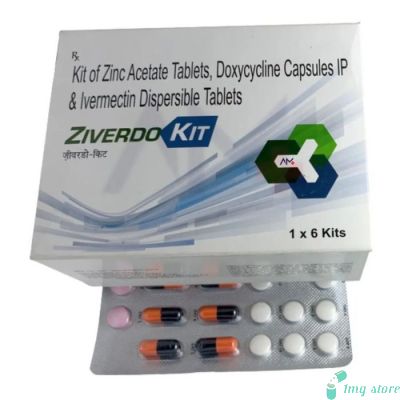
Minicycline Capsule (Doxycycline) | Used for Bacterial Infection Management and Acne Treatment
Minicycline 100 mg Capsule contains doxycycline, an antibiotic that treats a range of bacterial infections including acne, specific urinary tract infections, especially those caused by Chlamydia or Ureaplasma, respiratory infections, and sinus infections. Also known by the brand name- Vibramycin, It stops the growth of harmful bacteria, helping the body fight infection effectively. Minor side effects include headache, dizziness, fatigue and nausea.


Product Overview
What Is Minicycline Capsule?
Minicycline Capsule contains doxycycline, an antibiotic used to manage a range of bacterial infections. It works by interfering with the ability of susceptible bacteria to produce essential proteins needed for their growth and multiplication. Doxycycline may also be used for certain skin conditions, including acne, when considered appropriate.
How Does Minicycline Capsule Work?
Doxycycline belongs to the tetracycline group of antibiotics. It works mainly by inhibiting bacterial protein production, which helps slow or stop the growth of susceptible bacteria. This action allows the body's natural defenses to help control and clear the infection.
| Product Information | Details |
| Product Name | Minicycline Capsule |
| Active Ingredient | Doxycycline |
| Product Type | Antibiotic Medicine |
| Dosage Form | Capsule |
| Main Uses | Bacterial infection management and acne treatment |
| Route | Oral |
What Is Minicycline Capsule Used For?
Minicycline Capsule is used to manage certain bacterial infections caused by organisms that are susceptible to doxycycline. It may also be used for selected skin conditions, including acne, depending on the treatment plan.
Bacterial Infection Management
Doxycycline may be used for various bacterial infections affecting different parts of the body. The specific use depends on the type of infection and whether the causative bacteria are susceptible to doxycycline.
Acne Treatment
Doxycycline may help manage inflammatory acne by reducing the growth of acne-associated bacteria and helping control inflammation. It is generally used as part of an appropriate acne treatment plan.
Respiratory Infection Management
Doxycycline can be used for certain respiratory bacterial infections when the responsible organisms are susceptible to the medicine. Its suitability depends on the individual infection and clinical assessment.
Skin and Soft-Tissue Infections
Doxycycline may be used for selected bacterial infections involving the skin and soft tissues. Treatment depends on the type of bacteria involved and its susceptibility to the antibiotic.
Managing Certain Other Bacterial Infections
Doxycycline has activity against a range of susceptible bacteria and may be used in specific infections according to clinical requirements. It does not work against viral infections such as the common cold or flu.
Precaution
Sunlight and UV Exposure
Doxycycline may make the skin more sensitive to sunlight and ultraviolet (UV) exposure. Limit prolonged sun exposure and use appropriate sun protection if you are outdoors.
Stomach and Esophageal Irritation
Take Minicycline Capsule with plenty of water and avoid lying down immediately after taking it. This can help reduce the risk of irritation of the throat or esophagus.
Alcohol Consumption
Alcohol may affect the response to doxycycline in some people. It is advisable to avoid or limit alcohol during treatment, particularly if it causes increased stomach discomfort or other unwanted effects.
Pregnancy and Breastfeeding
If you are pregnant, planning pregnancy, or breastfeeding, discuss the suitability of doxycycline with a healthcare professional before use, as tetracycline antibiotics may not be appropriate in certain situations.
Children
Doxycycline may cause permanent discoloration of developing teeth and may affect bone development in young children. Its use in children should be based on appropriate medical guidance.
Liver-Related Conditions
People with liver problems should inform a healthcare professional before using Minicycline Capsule. Appropriate monitoring may be considered depending on the individual's condition and treatment duration.
Kidney-Related Conditions
Inform a healthcare professional if you have kidney problems or other significant health conditions before using doxycycline. Your overall health and other medicines may need to be considered.
Allergic Reactions
People with a known allergy to doxycycline or other tetracycline antibiotics should avoid using Minicycline Capsule unless specifically advised by a healthcare professional. Seek prompt attention if signs of a serious allergic reaction occur.
Long-Term Use
Use Minicycline Capsule only for the recommended duration. Prolonged antibiotic use may increase the risk of changes in normal bacterial flora and antibiotic resistance. Report persistent diarrhea, severe skin reactions, unusual symptoms, or other unexpected effects during treatment.
Usage
Follow the Recommended Schedule
Take Minicycline Capsule according to the directions provided for your condition. Follow the recommended dose and timing consistently throughout the treatment period.
Take With Plenty of Water
Swallow the capsule with a full glass of water. This can help reduce the risk of irritation to the throat or esophagus. Avoid taking it immediately before lying down.
Take With or Without Food as Directed
Doxycycline can often be taken with food if it causes stomach discomfort. However, follow the product-specific instructions provided for your formulation, as food and certain products may affect absorption.
Keep a Gap From Mineral Products
Antacids and supplements containing calcium, magnesium, aluminium, iron, or other minerals may interfere with doxycycline absorption. Take them at a separate time as advised by a healthcare professional.
Complete the Recommended Course
Continue taking Minicycline Capsule for the recommended duration, even if symptoms improve earlier. Stopping an antibiotic prematurely may allow the infection to persist or contribute to antibiotic resistance.
Protect Against Excessive Sun Exposure
Doxycycline may increase sensitivity to sunlight. Limit prolonged exposure to sunlight and use suitable protective measures while taking the medicine.
Uses
Bacterial Infection Management
Minicycline Capsule is used to manage certain bacterial infections caused by organisms susceptible to doxycycline.
Acne Management
Doxycycline may be used to help manage inflammatory acne by reducing bacterial activity and inflammation associated with acne.
Respiratory Bacterial Infections
Doxycycline may be used for certain bacterial infections affecting the respiratory tract when the causative organisms are susceptible to the medicine.
Skin and Soft-Tissue Infections
It may be used for selected bacterial infections involving the skin and soft tissues, depending on the causative organism and its susceptibility.
Management of Certain Other Bacterial Infections
Doxycycline has activity against a range of susceptible bacteria and may be used for specific infections according to clinical requirements.
Supporting Infection Control
By inhibiting bacterial protein production, doxycycline helps slow or stop the growth of susceptible bacteria, supporting the body's natural defenses in controlling the infection.
Side Effects
Nausea
Minicycline Capsule may cause nausea in some people, particularly during the early stages of treatment. Taking it as directed with plenty of water may help reduce stomach discomfort.
Vomiting
Some people may experience vomiting while taking doxycycline. If vomiting is persistent or makes it difficult to continue treatment, seek appropriate medical advice.
Diarrhea
Doxycycline may cause loose stools or diarrhea in some individuals. Contact a healthcare professional if diarrhea is severe, persistent, or accompanied by other concerning symptoms.
Stomach Discomfort
Abdominal discomfort, indigestion, or stomach irritation may occur during treatment. Following the recommended directions for taking the capsule may help reduce these effects.
Headache
Some people may experience headache while using doxycycline. If headaches are severe, persistent, or accompanied by vision changes, seek medical attention.
Increased Sun Sensitivity
Doxycycline can make the skin more sensitive to sunlight. Prolonged sun exposure may increase the risk of sunburn, so appropriate sun protection is recommended.
Esophageal Irritation
Doxycycline may occasionally irritate the esophagus, particularly if taken with insufficient water or immediately before lying down. Take the capsule with plenty of water and remain upright for an appropriate period afterward.
Allergic or Skin Reactions
Rarely, doxycycline may cause serious allergic or skin reactions. Seek prompt medical attention if you develop facial swelling, difficulty breathing, widespread rash, blistering, or peeling skin.
FAQs
What Is Minicycline Capsule?
Minicycline Capsule contains doxycycline, an antibiotic belonging to the tetracycline group. It is used to manage certain bacterial infections and may also be used for conditions such as inflammatory acne.
What Is Minicycline Capsule Used For?
Minicycline Capsule is used for certain bacterial infections caused by susceptible bacteria. Doxycycline may also be used in the management of selected skin conditions, including acne.
How Does Minicycline Capsule Work?
Doxycycline works by interfering with bacterial protein production. This helps slow or stop the growth of susceptible bacteria and supports the body's natural defenses in controlling the infection.
Can Minicycline Capsule Treat Viral Infections?
No. Doxycycline is an antibiotic that works against susceptible bacteria and does not treat viral infections such as the common cold or flu.
Can Minicycline Capsule Cause Stomach Upset?
Yes. Nausea, stomach discomfort, or other digestive symptoms may occur in some people. Taking the capsule with plenty of water and following the recommended directions may help reduce irritation.
Can Minicycline Capsule Increase Sun Sensitivity?
Yes. Doxycycline can make the skin more sensitive to sunlight and UV exposure. Limit prolonged sun exposure and use suitable sun protection while using the medicine.
Interactions
Antacids and Mineral Supplements
Products containing aluminium, magnesium, calcium, or other minerals may reduce the absorption of doxycycline when taken together. Keep an appropriate time gap between Minicycline Capsule and these products as advised by a healthcare professional.
Iron Supplements
Iron supplements can bind with doxycycline and reduce its absorption. If iron is required, discuss the appropriate timing of both products with a healthcare professional.
Medicines Containing Bismuth
Bismuth-containing products may interfere with doxycycline absorption. Inform a healthcare professional if you regularly use products containing bismuth.
Blood-Thinning Medicines
Doxycycline may affect the response to certain anticoagulant medicines. People taking blood thinners may require appropriate monitoring during treatment.
Medicines Used for Seizures
Some medicines used to control seizures, including enzyme-inducing medicines, may reduce doxycycline levels in the body and affect its effectiveness. Inform a healthcare professional about any seizure medicines you use.
Isotretinoin
Using doxycycline together with isotretinoin may increase the risk of increased pressure inside the skull. These medicines are generally not used together unless specifically advised by a healthcare professional.
Alcohol
Alcohol may affect the way doxycycline works and may reduce treatment effectiveness in some situations. It is advisable to avoid or limit alcohol during treatment.
Other Regular Medicines
Tell your healthcare professional about all prescription medicines, over-the-counter products, vitamins, and supplements you use. This helps identify potential interactions and supports appropriate use of Minicycline Capsule.
| Manufacturer | : | Dr. Reddy's Laboratories: |
| Equivalent Brand | : | Vibramycin |
| Generic Search | : | Doxycycline |
Latest Products