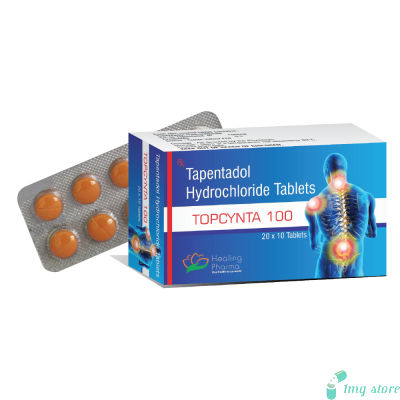
Noosanta Tablet (Tapentadol): Pain Relief Medicine | For Moderate to Severe Acute Pain Management
Noosanta Tablet is a prescription medication containing Tapentadol, used for the management of moderate to severe pain. It works by acting on the central nervous system, altering how the brain perceives pain and providing effective relief. Due to its dual mechanism of action, it is helpful in treating both acute pain (such as after surgery or injury) and certain types of chronic or nerve-related pain. It should be taken only under medical supervision to ensure safe use and to minimize the risk of side effects or dependence.


Product Overview
Noosanta Tablet contains Tapentadol, a centrally acting analgesic used under medical supervision for the management of moderate to severe pain. Tapentadol works through a dual mechanism involving mu-opioid receptor agonism and norepinephrine reuptake inhibition, helping reduce the perception and transmission of pain within the central nervous system.
As an opioid analgesic, Noosanta should be used only according to a healthcare professional's prescription. Appropriate patient selection and adherence to the prescribed regimen are important because tapentadol can cause drowsiness, dependence, and potentially serious respiratory depression.
Pharmacological Profile
| Parameter | Details |
| Active Ingredient | Tapentadol |
| Drug Class | Centrally Acting Opioid Analgesic |
| Dosage Form | Oral Tablet |
| Primary Action | Analgesic |
| Main Target | Central nervous system |
| Mechanism | μ-opioid receptor agonism + norepinephrine reuptake inhibition |
Mechanism Insights (How It Works)
- Opioid Receptor Activity
Tapentadol activates mu-opioid receptors in the central nervous system, reducing the transmission and perception of pain signals. - Norepinephrine Reuptake Inhibition
Tapentadol also inhibits norepinephrine reuptake, increasing noradrenergic activity involved in the body's descending pain-control pathways. This contributes to its analgesic effect. - Central Pain Modulation
Through these combined actions, tapentadol modifies how pain signals are processed by the brain and spinal cord, helping provide analgesia.
Administration Guidelines
- Take Noosanta exactly as prescribed by a qualified healthcare professional.
- Swallow the tablet as directed and do not change the prescribed dose without medical advice.
- Avoid alcohol and other medicines that cause significant sedation unless specifically approved by your healthcare provider.
- Do not drive or operate machinery if the medicine causes drowsiness, dizziness, or impaired alertness.
- Do not stop long-term treatment suddenly without medical guidance because withdrawal symptoms may occur.
- Keep the medicine away from children and use it only for the person for whom it was prescribed.
Clinical Considerations
- Noosanta contains tapentadol, an opioid analgesic intended for prescription use.
- The medicine may cause common opioid-related effects such as nausea, dizziness, drowsiness, and constipation.
- Tapentadol can cause respiratory depression, particularly with excessive exposure or when combined with other central nervous system depressants.
- Long-term or inappropriate use can result in physical dependence and other opioid-related risks.
- Patients should inform their healthcare provider about other medicines they are taking before starting treatment.
- Seek urgent medical attention for severe breathing difficulty, extreme sleepiness, loss of consciousness, or suspected overdose.
Precautions of Noosanta Tablet (Tapentadol)
- Use only under medical supervision
- Avoid alcohol while taking this medicine
- Not recommended for patients with severe respiratory disorders
- Use cautiously in patients with liver or kidney impairment
- May cause drowsiness—avoid driving or operating machinery
- Risk of dependence with long-term use
- Inform your doctor if you have a history of substance abuse
Uses of Noosanta Tablet (Tapentadol)
- Treatment of moderate to severe pain
- Relief from post-surgical pain
- Management of injury-related pain
- Treatment of chronic pain conditions
- Relief from nerve-related pain (neuropathic pain)
- Pain associated with conditions like Osteoarthritis
- Musculoskeletal pain such as back pain or joint pain
Side Effects of Noosanta Tablet (Tapentadol)
Common side effects may include:
- Nausea and vomiting
- Dizziness
- Drowsiness
- Constipation
- Headache
- Dry mouth
Serious side effects (seek medical attention):
- Breathing difficulty
- Severe sedation
- Dependence or addiction
- Low blood pressure
- Confusion or hallucinations
FAQs of Noosanta Tablet (Tapentadol)
1. What is Noosanta Tablet used for?
It is used for the treatment of moderate to severe pain, including acute and chronic conditions.
2. Is Noosanta Tablet addictive?
Yes, since it contains Tapentadol (an opioid), it has the potential for dependence if used improperly or for long durations.
3. Can I take this medicine with alcohol?
No, alcohol should be strictly avoided as it increases the risk of severe side effects like respiratory depression.
4. How quickly does it work?
It usually starts working within 30–60 minutes after consumption.
5. Can it be used for long-term pain management?
Yes, but only under strict medical supervision due to the risk of dependency.
Interactions Of Noosanta Tablet (Tapentadol)
- Antidepressants (SSRIs, SNRIs, MAO inhibitors): May increase the risk of serotonin syndrome (symptoms include agitation, sweating, rapid heart rate).
- Other opioid medications: Can enhance sedative effects and increase the risk of respiratory depression.
- Alcohol: Should be strictly avoided as it can cause severe drowsiness, breathing problems, and even life-threatening effects.
- Sedatives and sleeping pills: (such as benzodiazepines) may increase dizziness, sedation, and risk of overdose.
- Muscle relaxants: Can increase drowsiness and impair coordination.
- Anti-anxiety medications: May enhance central nervous system depression.
- Antihistamines (allergy medicines): Can add to drowsiness and sedation effects.
- Drugs affecting liver enzymes: May alter the effectiveness or increase side effects of Tapentadol.
| Manufacturer | : | Kachhela Medex Pvt. Ltd |
| Equivalent Brand | : | Nucynta |
| Generic Search | : | Tapentadol |
Latest Products