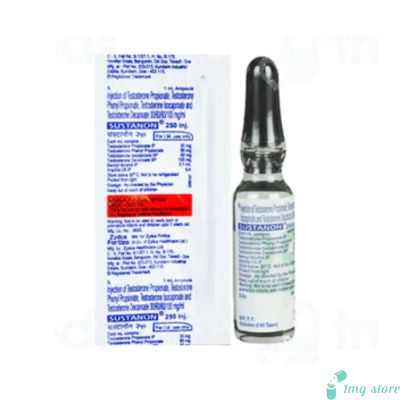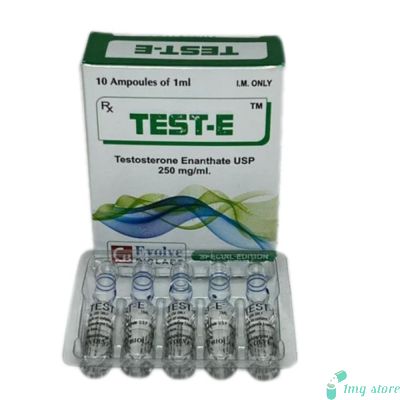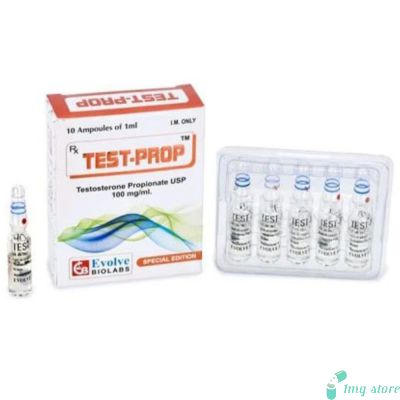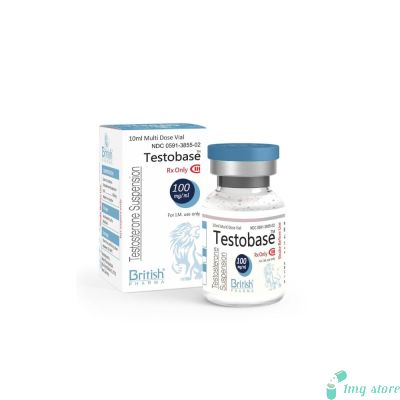
Sustanon Injection (Testosterone): Testosterone Blend - Hormone Therapy | For Male Hypogonadism, Low Testosterone Levels and Hormonal Imbalance Management
Sustanon Injection contains Testosterone, an effective hormone replacement medication used to treat men with low testosterone levels (hypogonadism). It works by restoring normal testosterone levels in the body and is commonly prescribed to improve energy, muscle strength, libido, mood, and overall well-being in adult men with testosterone deficiency.


Product Overview
Sustanon Injection is a prescription-based hormonal formulation containing a combination of testosterone esters. It is primarily used in testosterone replacement therapy to manage conditions associated with low or absent natural testosterone production in males.
The injection works by supplementing endogenous testosterone levels, helping restore normal physiological hormone balance. It is clinically used under strict medical supervision due to its potent androgenic effects and the need for individualized dosing.
Pharmacological Profile
| Parameter | Details |
| Active Ingredient | Testosterone blend (multiple testosterone esters) |
| Drug Class | Androgen / Anabolic Steroid Hormone |
| Dosage Form | Intramuscular Injection |
| Target System | Endocrine (Androgen deficiency) |
| Primary Function | Testosterone replacement therapy |
Mechanism Insights (How It Works)
- Hormonal Supplementation
The injection provides exogenous testosterone that enters circulation and mimics the action of naturally produced hormone, helping restore physiological androgen levels. - Androgen Receptor Activation
Testosterone binds to androgen receptors in various tissues, influencing protein synthesis, muscle maintenance, bone density, and secondary sexual characteristics. - Metabolic & Tissue Effects
Improved androgen signaling supports red blood cell production, energy regulation, and overall metabolic balance in individuals with deficiency.
Administration Guidelines
Administer only via intramuscular injection as prescribed
Dosage and frequency depend on clinical assessment and hormone levels
Should be administered by a healthcare professional or under medical guidance
Regular monitoring of testosterone levels and related biomarkers is required
Do not self-adjust dosage without medical supervision
Clinical Considerations
Used in diagnosed cases of hypogonadism or testosterone deficiency
Requires periodic hormonal and safety monitoring (lipids, liver function, hematocrit)
Effects develop gradually and depend on treatment consistency
Not intended for non-medical performance enhancement use
Long-term therapy should be supervised to manage potential risks and side effects
Precautions:
Sustanon Injection (Testosterone) should be used only under strict medical supervision, as it is a potent hormone therapy. Improper or unsupervised use can lead to serious hormonal and systemic side effects. Careful assessment is required, especially in patients with pre-existing medical conditions or those undergoing long-term therapy.
General Precautions
- Use only as prescribed by a qualified healthcare professional
- Do not self-inject or adjust dosage without medical guidance
- Regular monitoring of testosterone levels is required during treatment
- Avoid misuse for bodybuilding or performance enhancement purposes
- Long-term use may suppress natural testosterone production
- Treatment should be reviewed periodically by a doctor
Cardiovascular & Blood Health Considerations
- May increase risk of high blood pressure and fluid retention
- Can raise red blood cell count (polycythaemia), increasing clot risk
- Caution in patients with heart disease, stroke history, or clotting disorders
- Regular blood tests (haematocrit/haemoglobin) may be required
Liver & Metabolic Considerations
- Hormone therapy can affect liver function indirectly in some cases
- Use cautiously in patients with existing liver disorders
- Monitor lipid profile (cholesterol levels) during prolonged use
- Report symptoms like fatigue, abdominal pain, or jaundice
Prostate & Hormonal Effects
- May enlarge the prostate (benign prostatic hyperplasia risk)
- Not suitable for patients with prostate or male breast cancer
- PSA (prostate-specific antigen) monitoring may be recommended
- Can cause acne, oily skin, or mood changes due to hormone fluctuations
Fertility & Reproductive Health
- May reduce sperm production and cause temporary infertility
- Testicular shrinkage can occur with prolonged use
- Not recommended for men trying to conceive without medical advice
- Effects may take time to reverse after stopping treatment
Pregnancy & Breastfeeding
- Not intended for use in women in most cases
- Contraindicated during pregnancy due to risk of fetal harm
- Should not be used during breastfeeding
Infection Control & Injection Safety
- Use sterile injection technique to avoid infection
- Only administer via trained healthcare professional or proper instruction
- Rotate injection sites to reduce tissue irritation
- Do not reuse needles or syringes
- Dispose of medical waste safely
Usage
General Usage Information
Sustanon Injection (Testosterone) is used as part of hormone replacement therapy (HRT) to restore normal testosterone levels in males with clinically diagnosed testosterone deficiency. Its effectiveness depends on correct dosage, medical supervision, and regular monitoring of hormone levels to ensure safe and appropriate use.
Key Usage Points
✔ Use only under strict medical supervision and prescription
✔ Administer exactly as directed by a healthcare professional
✔ Injection is typically given intramuscularly
✔ Do not self-adjust dosage or frequency without medical advice
✔ Regular blood tests may be required to monitor hormone levels
✔ Maintain a consistent schedule for best therapeutic results
Uses
Sustanon Injection is commonly used for the treatment of conditions caused by low testosterone levels, such as hypogonadism. It helps support normal male hormonal functions including energy levels, libido, muscle strength, mood balance, and overall well-being when testosterone is deficient.
How to Use
- Administered as an intramuscular injection by a healthcare professional or trained medical provider
- Dosage and frequency depend on individual hormone levels, age, and clinical condition
- Injection is usually given into the gluteal muscle (buttock)
- Do not attempt self-injection unless specifically trained and instructed
- Follow the prescribed treatment schedule carefully for safe and effective results
FAQs
What is Sustanon Injection used for?
Sustanon Injection is used in testosterone replacement therapy (TRT) for men with low testosterone levels. It helps improve symptoms such as low libido, fatigue, reduced muscle mass, and hormonal imbalance caused by testosterone deficiency.
How does Sustanon Injection work in the body?
Sustanon contains a combination of testosterone esters that slowly release testosterone into the bloodstream. This helps restore normal testosterone levels, supporting energy, mood, muscle strength, and sexual health.
Who can use Sustanon Injection?
It is prescribed for adult men diagnosed with low testosterone (hypogonadism). It should only be used under strict medical supervision after proper hormone testing and diagnosis.
How is Sustanon Injection given?
It is administered as an intramuscular injection by a healthcare professional. The injection schedule and dose depend on individual medical needs and should never be self-adjusted.
Interactions
General Interaction Overview
Sustanon Injection (Testosterone) may interact with certain medications that can affect hormone balance, blood clotting risk, blood sugar control, or overall metabolic function. These interactions may change how the medicine works or increase the likelihood of side effects, so it is important to inform your healthcare provider about all medicines you are currently using.
Commonly Reported Interactions
- Anticoagulants (blood thinners) like warfarin may have an increased effect, raising the risk of bleeding
- Insulin and oral antidiabetic drugs may require dose adjustment as testosterone can affect blood glucose levels
- Corticosteroids or ACTH may increase the risk of fluid retention and swelling when used together
- Other anabolic steroids or androgenic medicines can increase the chance of hormonal side effects
- Liver enzyme affecting drugs may alter testosterone metabolism and its duration of action
- Medications affecting cholesterol levels may show altered lipid response when used with testosterone therapy
Additional Considerations
Testosterone therapy can also influence certain laboratory results, including hormone levels, thyroid-binding proteins, and lipid profiles. This may affect how test results are interpreted by your doctor.
| Manufacturer | : | Aspen Pharma Trading Limited |
| Equivalent Brand | : | Testosterone Enanthate |
| Generic Search | : | Testosterone |
Latest Products