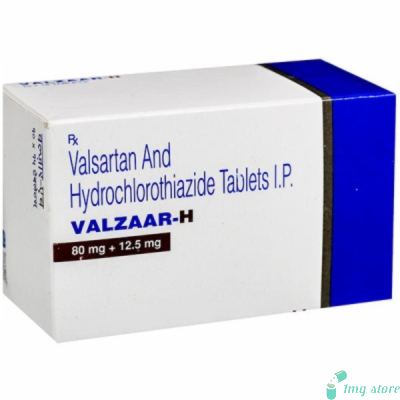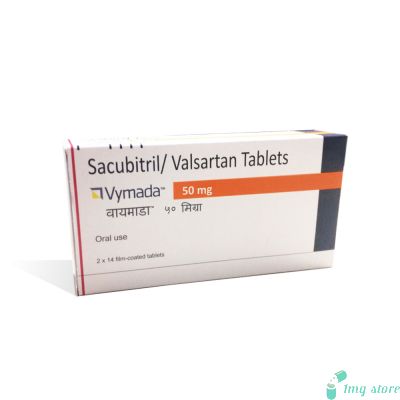
Valzaar Tablet (Valsartan)
Valzaar Tablet contains Valsartan, an angiotensin II receptor blocker (ARB) used for the management of high blood pressure, heart failure, and certain cardiovascular conditions. It works by relaxing blood vessels and reducing vascular resistance, helping improve blood circulation, lower blood pressure, and support long-term heart health.


Product Overview
Valzaar Tablet is an oral cardiovascular medicine containing Valsartan, a selective angiotensin II receptor blocker (ARB) widely prescribed for the treatment and long-term management of hypertension and various cardiovascular disorders. It is commonly included in heart-protection and blood pressure management protocols due to its ability to improve vascular function and reduce strain on the cardiovascular system.
Valsartan works by selectively blocking the action of angiotensin II, a naturally occurring hormone responsible for narrowing blood vessels and increasing blood pressure. Angiotensin II also stimulates sodium and water retention, which can further increase circulatory workload and cardiovascular stress.
By preventing angiotensin II from binding to its receptors, Valsartan promotes relaxation and widening of blood vessels, allowing blood to flow more easily throughout the body. This reduction in vascular resistance helps lower blood pressure, decrease cardiac workload, and improve overall circulatory efficiency.
Product Composition and Form
Valzaar Tablet is formulated as an oral antihypertensive preparation designed to provide effective blood pressure control, vascular relaxation, and long-term cardiovascular protection.
| Feature | Specification |
| Active Ingredient | Valsartan |
| Drug Class | Angiotensin II Receptor Blocker (ARB) |
| Dosage Form | Oral Tablet |
| Primary Indication | Hypertension and cardiovascular management |
| Mechanism Type | Blockade of angiotensin II receptors |
| Pharmacological Action | Vasodilation and blood pressure reduction |
| Therapeutic Effect | Cardiovascular and renal protection |
| Route of Administration | Oral |
Valzaar Tablet works by selectively blocking angiotensin II type-1 (AT1) receptors present in blood vessels and other cardiovascular tissues. Angiotensin II normally causes blood vessels to constrict, increases blood pressure, and promotes fluid retention within the body.
Precautions
General Precautions
Valzaar Tablet should be used carefully under medical supervision, particularly in patients with kidney disease, liver impairment, dehydration, low blood pressure, or electrolyte imbalance. Proper monitoring and treatment adherence are important for maintaining cardiovascular safety and therapeutic effectiveness.
✔ Inform your doctor about any history of kidney disease, liver disorders, heart disease, or electrolyte imbalance before starting treatment
✔ Use cautiously in patients with low blood pressure or dehydration, as excessive blood pressure reduction may occasionally occur during therapy
✔ Regular monitoring of blood pressure, kidney function, and potassium levels may be necessary during prolonged treatment
✔ Maintain adequate hydration unless otherwise instructed by your healthcare professional
Blood Pressure & Circulatory Considerations
Because Valsartan lowers vascular resistance and blood pressure, some patients may experience excessive hypotension, especially during treatment initiation or dosage adjustments.
Watch for symptoms such as:
- Dizziness
- Lightheadedness
- Weakness
- Fainting
- Blurred vision
Care should be taken when standing suddenly from sitting or lying positions.
Kidney Function & Electrolyte Monitoring
Valsartan may affect kidney function and electrolyte balance in susceptible individuals.
Important considerations:
- Kidney function tests may occasionally be required
- Potassium levels may increase during therapy
- Patients with chronic kidney disease may require additional monitoring
Use During Pregnancy & Breastfeeding
Valzaar Tablet is generally not recommended during pregnancy because medicines affecting the renin-angiotensin system may harm fetal development. Pregnant individuals or those planning pregnancy should consult their healthcare professional immediately regarding alternative therapy options.
Use during breastfeeding should occur only under medical advice.
Usage
General Usage Information
Valzaar Tablet is prescribed for long-term management of hypertension and cardiovascular disorders. The dosage and treatment duration depend on blood pressure levels, heart function, kidney status, patient age, and overall cardiovascular risk profile.
For optimal therapeutic benefit, the medicine should be taken regularly and consistently as advised by a healthcare professional.
Key Usage Points
✔ Take the medicine exactly as prescribed and at the same time each day for consistent blood pressure control
✔ Continue therapy regularly even if blood pressure appears normal, as hypertension may remain symptomless for long periods
✔ Regular blood pressure monitoring may help assess treatment effectiveness and cardiovascular response
✔ Maintain healthy dietary habits, exercise, and lifestyle modifications during treatment for improved cardiovascular outcomes
Uses
Valzaar Tablet is widely used in cardiovascular medicine for blood pressure management, heart protection, and reduction of cardiovascular complications associated with hypertension and circulatory stress.
Its antihypertensive and vascular protective effects support long-term cardiovascular stability and organ protection in susceptible individuals.
Key Clinical Points
✔ Helps lower elevated blood pressure by relaxing blood vessels
✔ Supports long-term cardiovascular protection and vascular health
✔ Reduces strain on the heart and circulatory system
✔ Commonly included in heart failure and post-cardiac event management protocols
✔ Helps improve circulatory efficiency and reduce cardiovascular complications
✔ Provides sustained antihypertensive action with long-term therapeutic benefits
Side Effects
General Safety Information
Valzaar Tablet is generally well tolerated during long-term cardiovascular therapy. Most side effects are mild and occur due to blood pressure reduction, vascular relaxation, or changes in electrolyte and circulatory balance.
Many side effects improve as the body gradually adjusts to treatment.
Common Side Effects
✔ Dizziness or lightheadedness due to lowering of blood pressure
✔ Headache during early treatment phase
✔ Weakness or fatigue
✔ Mild nausea or abdominal discomfort
✔ Low blood pressure in sensitive individuals
Serious Side Effects (Rare)
⚠ Seek immediate medical attention if you experience:
- Severe dizziness or fainting
- Difficulty breathing or facial swelling
- Significant reduction in urine output
- Irregular heartbeat
- Severe weakness or confusion
- Signs of high potassium such as muscle weakness or abnormal heart rhythm
Why These Side Effects May Occur
Most side effects occur because Valsartan alters blood vessel tone, blood pressure regulation, and fluid-electrolyte balance within the body. Excessive blood pressure reduction or potassium retention may occasionally contribute to more serious complications in susceptible individuals.
FAQs
Q. Can Valzaar Tablet protect the heart and kidneys?
Yes. Long-term blood pressure control may help reduce damage to the heart, kidneys, and blood vessels caused by chronic hypertension.
Q. Can Valzaar Tablet increase potassium levels?
Yes. Some patients may develop elevated potassium levels during therapy, especially when using potassium supplements or kidney-related medicines.
Q. Is regular blood pressure monitoring necessary during treatment?
Yes. Periodic blood pressure monitoring helps assess treatment effectiveness and cardiovascular response.
Q. Why are kidney tests sometimes recommended during therapy?
Valsartan may affect kidney function and electrolyte balance in susceptible individuals, especially during prolonged treatment.
Q. Can lifestyle modification improve treatment results?
Yes. Healthy diet, exercise, reduced salt intake, and weight management may significantly improve blood pressure control and cardiovascular outcomes.
Drug Interactions
Valzaar Tablet may interact with medicines affecting blood pressure, kidney function, electrolyte balance, or cardiovascular regulation. These interactions may increase the risk of hypotension, kidney complications, or electrolyte disturbances.
Interaction with Other Blood Pressure Medicines
Combining Valsartan with other antihypertensive medicines may enhance blood pressure lowering effects.
Possible effects include:
- Excessive hypotension
- Dizziness or fainting
- Weakness and fatigue
- Reduced circulatory stability
Careful monitoring may be required during combination therapy.
Interaction with Potassium Supplements & Potassium-Sparing Medicines
Valsartan may increase potassium retention inside the body.
Possible complications:
- Elevated potassium levels (hyperkalemia)
- Muscle weakness
- Irregular heartbeat
- Cardiac rhythm disturbances
Potassium-containing supplements or salt substitutes should only be used under medical supervision.
Kidney Function–Related Interactions
Medicines affecting kidney function may increase renal complication risk during therapy.
Possible effects:
- Reduced kidney filtration
- Elevated creatinine levels
- Increased renal stress in susceptible patients
Kidney monitoring may occasionally be necessary during prolonged combined therapy.
Interaction with Anti-Inflammatory Medicines
Certain pain-relieving anti-inflammatory medicines may reduce antihypertensive effectiveness and increase kidney-related risk.
Possible concerns:
- Reduced blood pressure control
- Fluid retention
- Increased renal stress during long-term combined use
| Manufacturer | : | Torrent Pharma, India |
| Equivalent Brand | : | Diovan |
| Generic Search | : | Valsartan |
Latest Products