Amazeo Tablet (Amisulpride) | Used for Schizophrenia & Psychotic Symptoms
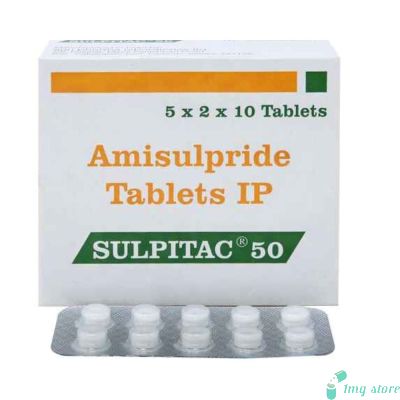
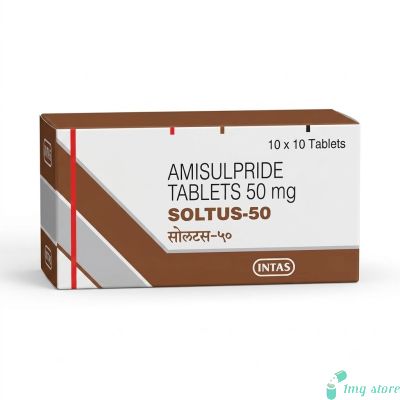
Amazeo Tablet contains Amisulpride, an antipsychotic medicine used in the treatment of schizophrenia. It helps manage symptoms such as hallucinations, delusions, disturbed thinking, and certain negative symptoms associated with schizophrenia. Amazeo should be used under medical supervision.


Product Overview
Amazeo Tablet contains Amisulpride, an antipsychotic medicine belonging to the benzamide group. It primarily works by affecting dopamine D2 receptors in the brain. Amisulpride is used to manage schizophrenia and can help control positive symptoms such as hallucinations and delusions as well as certain negative symptoms such as reduced emotional expression and social withdrawal.
Amisulpride is mainly eliminated through the kidneys, so kidney function can be important when determining treatment. It may also increase prolactin levels and can affect the heart's electrical activity in some patients. Regular medical follow-up is therefore important during treatment.
Key Points
- Contains Amisulpride
- Belongs to the antipsychotic group
- Used in schizophrenia
- Helps manage positive psychotic symptoms
- May help certain negative symptoms
- Works mainly through dopamine D2 receptors
- May increase prolactin levels
- Can cause dizziness or drowsiness
Product Information
| Product Information | Details |
| Product Name | Amazeo Tablet |
| Generic Name | Amisulpride |
| Drug Class | Antipsychotic |
| Dosage Form | Tablet |
| Route of Administration | Oral |
| Main Therapeutic Use | Schizophrenia |
Main Action | Dopamine D2 receptor antagonist |
How Does Amazeo Tablet Work?
Amisulpride mainly blocks dopamine D2 receptors in the brain. By modifying dopamine signaling, it helps regulate abnormal neurotransmitter activity associated with schizophrenia and can reduce certain psychotic symptoms.
Benefits of Amazeo Tablet
- Helps manage symptoms of schizophrenia.
- Can help reduce positive symptoms such as hallucinations and delusions.
- May help manage disturbed thinking and suspiciousness.
- May help certain negative symptoms, including emotional and social withdrawal.
Precaution
1. Use Only as Prescribed
Take Amazeo Tablet exactly as prescribed by your doctor. The dose and treatment duration depend on your condition and response.
2. Kidney Problems
Amisulpride is mainly eliminated through the kidneys. Tell your doctor if you have kidney disease because dose adjustment may be necessary.
3. Heart Rhythm Problems
Amisulpride can affect the heart's electrical activity and may prolong the QT interval in susceptible patients. Tell your doctor if you have a history of heart rhythm problems.
4. Electrolyte Imbalance
Low potassium or other electrolyte abnormalities can increase the risk of heart-rhythm problems. Inform your doctor if you have conditions that can cause electrolyte disturbances.
5. ECG Monitoring
Your doctor may recommend an ECG when appropriate, particularly if you have cardiovascular risk factors or use other medicines that can affect heart rhythm.
6. Seizure Disorders
Tell your doctor if you have epilepsy or a history of seizures because antipsychotic treatment may require additional monitoring.
7. Parkinson's Disease
Amisulpride can affect dopamine pathways and may worsen Parkinsonian symptoms. Inform your doctor if you have Parkinson's disease.
Usage
- Take Amazeo Tablet exactly as prescribed by your doctor.
- It may be taken with or without food, depending on the specific product instructions.
- Take the medicine at approximately the same time each day.
- Swallow the tablet with water unless your product instructions state otherwise.
- Do not change the prescribed dose yourself.
- Avoid driving if you experience dizziness or sleepiness.
- Avoid alcohol unless your doctor advises otherwise.
- Do not stop treatment suddenly without medical advice.
- If you miss a dose, follow your doctor's or pharmacist's instructions rather than taking an extra dose.
Uses
1. Schizophrenia
Amazeo Tablet is used in the treatment of schizophrenia, a condition that can involve hallucinations, delusions, disturbed thinking, and changes in behavior.
2. Positive Symptoms of Schizophrenia
Amisulpride can help manage positive symptoms such as hallucinations, delusions, suspiciousness, and disturbed thinking.
3. Negative Symptoms
Amisulpride may help certain negative symptoms associated with schizophrenia, such as reduced emotional expression and social withdrawal.
4. Acute and Long-Term Management
Amisulpride may be prescribed for the management of schizophrenia according to the patient's condition, treatment response, and doctor's recommendations.
Side Effects
Common Side Effects
Possible side effects of amisulpride include:
- Nausea
- Vomiting
- Dry mouth
- Dizziness
- Drowsiness
- Blurred vision
- Restlessness
Serious Side Effects
Seek prompt medical attention if you experience:
- Severe muscle stiffness
- High fever
- Confusion
- Heavy sweating
- Fainting
- Severe or irregular heartbeat
- Seizures
FAQs
1. What is Amazeo Tablet?
Amazeo Tablet contains Amisulpride, an antipsychotic medicine used primarily for the treatment of schizophrenia.
2. What is Amazeo Tablet used for?
Amazeo is used in the treatment of schizophrenia and can help manage positive and certain negative symptoms associated with the condition.
3. Is Amazeo an antipsychotic medicine?
Yes. Amisulpride belongs to the antipsychotic group of medicines.
4. How does Amazeo work?
Amisulpride mainly affects dopamine D2 receptors in the brain, helping regulate dopamine signaling involved in psychotic symptoms.
5. Can Amazeo help with hallucinations?
Yes. Amisulpride is used to manage positive symptoms of schizophrenia, which can include hallucinations and delusions.
6. Can Amazeo help with negative symptoms?
Amisulpride may help certain negative symptoms such as reduced emotional expression and social withdrawal.
7. Can Amazeo cause drowsiness?
Yes. Drowsiness or sleepiness can occur in some people taking amisulpride.
8. Can Amazeo cause dizziness?
Yes. Dizziness can occur, and some people may experience a drop in blood pressure when changing position.
Interactions
1. Levodopa
Amisulpride should not be combined with levodopa because the medicines have opposing effects on dopamine pathways.
2. Other Antipsychotic Medicines
Taking Amazeo with other antipsychotics may increase the risk of adverse effects and should only be done under medical supervision.
3. QT-Prolonging Medicines
Medicines that can significantly prolong the QT interval may increase the risk of abnormal heart rhythms when combined with amisulpride.
4. Medicines That Lower Potassium
Certain diuretics and other medicines can lower potassium levels. Low potassium may increase the risk of heart-rhythm complications.
5. Medicines That Affect Heart Rate
Medicines that significantly slow the heart rate may increase the risk of rhythm-related problems when combined with amisulpride.
6. Blood Pressure Medicines
Combining amisulpride with medicines that lower blood pressure may increase the risk of dizziness or hypotension.
7. Sedative Medicines
Sleeping medicines, sedatives, opioids, and other medicines that cause drowsiness may increase sedation when used with Amazeo.
8. Alcohol
Alcohol may increase drowsiness, dizziness, and reduced alertness while taking amisulpride.
| Manufacturer | : | Sun Pharmaceutical Industries Ltd. |
| Equivalent Brand | : | Barhemsys |
| Generic Search | : | Amisulpride |
Latest Products