Qutan Tablet (Quetiapine) | Used for Schizophrenia & Bipolar Disorder
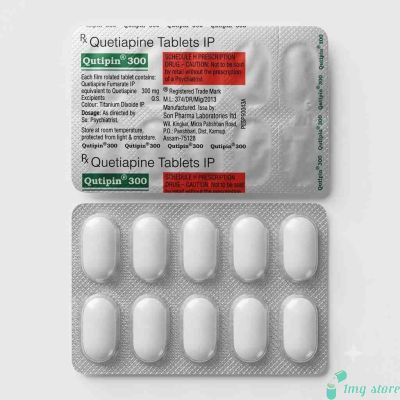
Qutan Tablet contains Quetiapine, an atypical antipsychotic medicine used in the management of schizophrenia and bipolar disorder. Depending on the prescribed formulation and treatment plan, quetiapine may be used for manic episodes and depressive episodes associated with bipolar disorder. It should be used under medical supervision.


Product Overview
Qutan Tablet contains Quetiapine, an atypical antipsychotic medicine that works on chemical messengers in the brain involved in mood, thinking, and behavior. It is used in the treatment of schizophrenia and bipolar disorder. Quetiapine may be prescribed for manic episodes and depressive episodes associated with bipolar disorder, depending on the treatment plan and formulation.
Quetiapine treatment requires medical supervision because it can cause drowsiness, dizziness, changes in blood pressure, weight gain, and metabolic changes. Doctors may monitor weight, blood glucose, lipid levels, and other health parameters during treatment.
Key Points
- Contains Quetiapine
- Belongs to the atypical antipsychotic group
- Used in schizophrenia
- Used in bipolar disorder
- Helps manage manic episodes
- May be used for bipolar depressive episodes
- Can cause drowsiness and dizziness
- May affect blood sugar and cholesterol levels
Product Information
| Product Information | Details |
| Product Name | Qutan Tablet |
| Generic Name | Quetiapine |
| Drug Class | Atypical Antipsychotic |
| Dosage Form | Tablet |
| Route of Administration | Oral |
| Therapeutic Uses | Schizophrenia and Bipolar Disorder |
Main Actions | Antipsychotic and mood-regulating effects |
How Does Qutan Tablet Work?
Quetiapine affects several neurotransmitter receptors in the brain, particularly serotonin and dopamine receptors. By modifying signaling through these pathways, it can help reduce symptoms associated with psychotic disorders and stabilize mood in bipolar disorder.
Benefits of Qutan Tablet
- Helps manage symptoms of schizophrenia.
- Helps control manic episodes associated with bipolar I disorder.
- May be prescribed for depressive episodes associated with bipolar disorder.
Precaution
1. Use Only as Prescribed
Take Qutan Tablet exactly as prescribed by your doctor. The dose and treatment duration depend on your medical condition and response.
2. Drowsiness and Reduced Alertness
Quetiapine can cause sleepiness or reduced alertness, particularly when treatment is started or the dose is changed. Avoid driving or operating machinery until you know how the medicine affects you.
3. Dizziness and Low Blood Pressure
Quetiapine may cause dizziness or a drop in blood pressure when standing up. Rise slowly from sitting or lying positions.
4. Alcohol
Alcohol can increase drowsiness and other effects of quetiapine. Discuss alcohol consumption with your healthcare professional.
5. Weight Gain
Quetiapine may cause weight gain. Regular monitoring of body weight may be recommended during treatment.
6. Blood Sugar
Quetiapine can cause changes in blood glucose levels. People with diabetes or risk factors for diabetes may require closer monitoring.
7. Cholesterol and Triglycerides
Quetiapine may cause changes in lipid levels. Your doctor may recommend periodic blood tests.
8. Heart Conditions
Tell your doctor if you have heart disease, abnormal heart rhythm, or other cardiovascular problems before starting treatment.
Usage
- Take Qutan Tablet exactly as prescribed by your doctor.
- Quetiapine tablets may generally be taken with or without food, depending on the specific formulation.
- Take the medicine at the same time each day when possible.
- Swallow the tablet with water unless your specific product instructions state otherwise.
- Do not change the dose without medical advice.
- Avoid driving if you experience significant drowsiness or dizziness.
- Do not stop treatment suddenly without consulting your doctor.
- If you miss a dose, follow your doctor's or pharmacist's instructions rather than taking an extra dose.
Uses
1. Schizophrenia
Quetiapine is indicated for the treatment of schizophrenia and may help manage symptoms associated with this condition.
2. Bipolar I Disorder – Manic Episodes
Quetiapine is used for the acute treatment of manic episodes associated with bipolar I disorder.
3. Bipolar Depression
Certain quetiapine tablet formulations are indicated for the acute treatment of depressive episodes associated with bipolar disorder.
4. Bipolar Maintenance Treatment
Quetiapine may be used as part of maintenance treatment for bipolar I disorder, including in combination with lithium or divalproex where indicated.
Side Effects
Common Side Effects
Possible side effects of quetiapine include:
- Drowsiness
- Dizziness
- Dry mouth
- Constipation
- Headache
- Fatigue
- Increased appetite
Serious Side Effects
Seek prompt medical attention if you experience:
- Severe allergic reaction
- Severe muscle stiffness
- High fever
- Confusion
- Fainting
- Severe or persistent abnormal movements
- Seizure
FAQs
1. What is Qutan Tablet?
Qutan Tablet contains Quetiapine, an atypical antipsychotic medicine used in the treatment of schizophrenia and bipolar disorder.
2. What is Qutan Tablet used for?
It is used for conditions such as schizophrenia and bipolar disorder. Depending on the formulation and treatment plan, it may be prescribed for manic or depressive episodes associated with bipolar disorder.
3. Is Qutan an antipsychotic medicine?
Yes. Quetiapine belongs to the atypical antipsychotic group.
4. How does Qutan work?
Quetiapine affects dopamine and serotonin signaling in the brain, helping regulate symptoms related to psychosis and mood disorders.
5. Can Qutan be used for bipolar disorder?
Yes. Quetiapine is indicated for several phases of bipolar disorder, including manic episodes and, for certain formulations, depressive episodes.
6. Can Qutan cause sleepiness?
Yes. Drowsiness and sleepiness are common effects of quetiapine.
7. Can I drive after taking Qutan?
Avoid driving or operating machinery if Qutan makes you sleepy, dizzy, or less alert.
8. Can Qutan cause weight gain?
Yes. Weight gain can occur during quetiapine treatment, and regular weight monitoring may be recommended.
Interactions
1. Alcohol
Alcohol can increase the sedative effects of quetiapine and may worsen drowsiness and dizziness.
2. Other Medicines That Cause Drowsiness
Sleeping medicines, sedatives, opioids, and other medicines that cause central nervous system depression may increase drowsiness when combined with quetiapine.
3. Strong CYP3A4 Inhibitors
Some medicines that strongly inhibit CYP3A4 can increase quetiapine exposure and may require dose adjustment.
4. CYP3A4 Inducers
Medicines that strongly induce CYP3A4 can reduce quetiapine concentrations and may decrease its effects.
5. Blood Pressure Medicines
Quetiapine can contribute to low blood pressure, so combining it with antihypertensive medicines may require monitoring.
6. Medicines Affecting Heart Rhythm
Some medicines that prolong the QT interval may increase the risk of abnormal heart rhythms when combined with quetiapine.
7. Antidepressants
Some antidepressants can affect quetiapine metabolism or increase the risk of sedation and other adverse effects. Your doctor should review the combination.
8. Antiepileptic Medicines
Certain anticonvulsants can affect quetiapine levels and may change its effectiveness.
| Manufacturer | : | Intas Pharmaceuticals Ltd. |
| Equivalent Brand | : | Seroquel |
| Generic Search | : | Quetiapine |
Latest Products