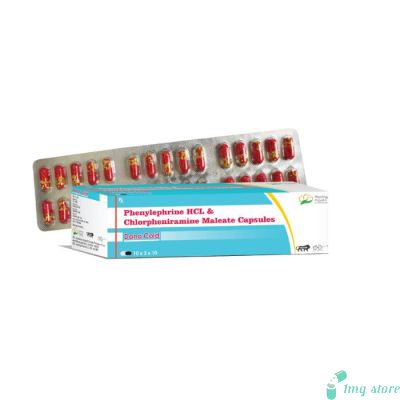
Congestyl Tablet (Chlorpheniramine Maleate + Paracetamol + Phenylephrine) | Used for Cold Symptoms, Fever & Nasal Congestion
Congestyl Tablet is a combination medicine containing Chlorpheniramine Maleate, Paracetamol, and Phenylephrine. It is used for the temporary relief of common cold symptoms such as runny or blocked nose, sneezing, headache, sore throat, fever, and body aches.


Product Overview
Congestyl Tablet combines three medicines that work together to provide symptomatic relief from several common cold symptoms. It contains Chlorpheniramine Maleate 4 mg, Paracetamol 500 mg, and Phenylephrine 5 mg per tablet.
Chlorpheniramine Maleate is an antihistamine that helps reduce symptoms such as sneezing and a runny nose. Paracetamol is an analgesic and antipyretic that helps relieve pain and reduce fever. Phenylephrine is a decongestant that helps reduce swelling in the nasal passages and relieve a blocked or stuffy nose.
Key Points
- Contains three active ingredients
- Chlorpheniramine Maleate 4 mg
- Paracetamol 500 mg
- Phenylephrine 5 mg
- Helps relieve common cold symptoms
- Helps reduce runny nose and sneezing
- Helps relieve nasal congestion
- Helps reduce headache, body aches, and fever
- May be taken with or without food as directed
Product Information
| Product Information | Details |
| Generic Name | Chlorpheniramine Maleate + Paracetamol + Phenylephrine |
| Chlorpheniramine Maleate | 4 mg |
| Paracetamol | 500 mg |
| Phenylephrine | 5 mg |
| Dosage Form | Tablet |
| Medicine Type | Combination cold medicine |
| Main Uses | Common cold symptoms, nasal congestion, fever and associated aches |
Storage | Store below 25°C |
How Congestyl Tablet Works
Congestyl Tablet contains three ingredients with different actions.
Chlorpheniramine Maleate: Blocks the effects of histamine, helping reduce symptoms such as sneezing and a runny nose.
Paracetamol: Acts as a pain reliever and fever reducer, helping manage headache, body aches, sore throat discomfort, and fever.
Phenylephrine: Acts as a decongestant by narrowing swollen blood vessels in the nasal passages, which helps reduce nasal stuffiness.
Together, these ingredients provide symptomatic relief from several cold-related symptoms.
This combination medication is formulated to temporarily relieve symptoms caused by the common cold, flu, allergies, or other respiratory illnesses such as sinusitis and bronchitis. It effectively reduces symptoms like fever, headache, sore throat, runny or stuffy nose, and muscle pain.
Precaution
1. Liver Problems
Paracetamol is processed by the liver. Tell your doctor if you have liver disease or regularly consume alcohol. The product should not be used in severe liver impairment without appropriate medical advice.
2. High Blood Pressure
Phenylephrine can affect blood pressure. Inform your doctor if you have high blood pressure or cardiovascular disease before using this medicine.
3. Heart Problems
Patients with heart disease or an abnormal heart rhythm should consult their doctor before using medicines containing phenylephrine.
4. Thyroid Disorders
Tell your doctor if you have an overactive thyroid, as decongestants such as phenylephrine may require additional caution.
5. Glaucoma
Chlorpheniramine may worsen certain types of glaucoma. Inform your doctor if you have glaucoma or increased pressure inside the eye.
6. Difficulty Urinating
Chlorpheniramine may cause or worsen urinary retention. Tell your doctor if you have an enlarged prostate or difficulty passing urine.
7. Drowsiness
Chlorpheniramine may cause sleepiness or dizziness. Avoid driving or operating machinery until you know how the medicine affects you.
8. Alcohol
Avoid alcohol while taking Congestyl Tablet because it may increase drowsiness and other side effects.
Usage
- Take Congestyl Tablet exactly as directed by your doctor or pharmacist.
- Swallow the tablet whole with water.
- Do not chew, crush, or break the tablet unless specifically advised.
- It may be taken with or without food.
- Do not take more than the recommended dose.
- Avoid taking additional paracetamol-containing medicines unless advised.
- Avoid alcohol because it can increase drowsiness.
- Avoid driving if you experience sleepiness or dizziness.
- Do not combine it with another cold or decongestant medicine without medical advice.
- If symptoms persist, worsen, or new symptoms develop, seek medical advice.
Uses
1. Common Cold Symptoms
Congestyl Tablet is used to provide symptomatic relief from several symptoms associated with the common cold.
2. Runny Nose
Chlorpheniramine helps reduce excessive nasal discharge associated with cold or allergy symptoms.
3. Nasal Congestion
Phenylephrine helps reduce swelling inside the nasal passages and may make breathing through the nose easier.
4. Sneezing
Chlorpheniramine helps reduce sneezing associated with histamine-related symptoms.
5. Headache
Paracetamol helps relieve headaches that may occur along with a cold.
Side Effects
Common Side Effects
Some people may experience:
- Sleepiness
- Dizziness
- Nausea
- Vomiting
- Headache
- Dry mouth
- Stomach discomfort
These effects may occur because of the antihistamine and other ingredients in the combination.
Serious Side Effects
Seek medical attention if you experience:
- Severe allergic reaction
- Significant or persistent palpitations
- Severe increase in blood pressure
- Severe dizziness or fainting
- Serious skin reaction
- Symptoms suggesting liver injury, such as yellowing of the skin or eyes or severe persistent abdominal discomfort
Stop use and seek medical advice if symptoms become severe or unusual.
FAQs
1. What is Congestyl Tablet used for?
Congestyl Tablet is used for temporary relief of common cold symptoms such as runny nose, sneezing, nasal congestion, headache, sore throat, fever, and body aches.
2. What are the ingredients in Congestyl Tablet?
It contains Chlorpheniramine Maleate 4 mg, Paracetamol 500 mg, and Phenylephrine 5 mg.
3. Does Congestyl Tablet help with a blocked nose?
Yes. Phenylephrine acts as a nasal decongestant and helps reduce swelling in the nasal passages, which can relieve nasal stuffiness.
4. Does Congestyl Tablet cause sleepiness?
It may. Chlorpheniramine can cause drowsiness or dizziness in some people. Avoid driving or operating machinery if you feel sleepy or less alert.
5. Can I take Congestyl with paracetamol?
Congestyl already contains paracetamol 500 mg. Avoid taking additional paracetamol-containing medicines unless your doctor or pharmacist confirms that it is appropriate.
6. Can Congestyl be taken with food?
Yes. Congestyl Tablet may be taken with or without food. Follow the dose and duration recommended by your healthcare professional.
7. Can Congestyl be used for fever?
Yes. The paracetamol component helps reduce fever and relieve associated aches.
8. Can Congestyl help with sneezing and a runny nose?
Yes. Chlorpheniramine is an antihistamine that helps reduce sneezing and runny-nose symptoms.
Interactions
1. Other Paracetamol-Containing Medicines
Do not combine Congestyl with other medicines containing paracetamol unless advised by a healthcare professional. This helps prevent accidental excessive paracetamol intake.
2. MAO Inhibitors
Phenylephrine and chlorpheniramine-containing products may interact with monoamine oxidase inhibitors (MAOIs). MAOIs used for depression, psychiatric conditions, or Parkinson's disease can require a specific interval after discontinuation before these cold medicines are used.
3. Sedatives and Tranquilizers
Medicines that cause drowsiness, including sedatives and tranquilizers, may increase the sleepiness caused by chlorpheniramine.
4. Alcohol
Alcohol may increase drowsiness and impair alertness when combined with chlorpheniramine.
5. Blood Thinners
Paracetamol may interact with anticoagulants such as warfarin, particularly with repeated or prolonged use. Tell your doctor if you take blood-thinning medicine.
6. Blood Pressure Medicines
Phenylephrine may affect blood pressure and may interact with certain medicines used to control hypertension. Tell your doctor about all blood-pressure medicines you take.
7. Other Decongestants
Avoid combining Congestyl with other medicines containing phenylephrine, pseudoephedrine, or similar decongestants unless specifically advised.
8. Other Antihistamines
Taking another antihistamine at the same time may increase antihistamine-related effects such as drowsiness, dry mouth, or dizziness.
| Manufacturer | : | Taj Pharma |
| Equivalent Brand | : | Norel AD |
| Generic Search | : | Chlorpheniramine Maleate + Paracetamol + Phenylephrine |
Latest Products