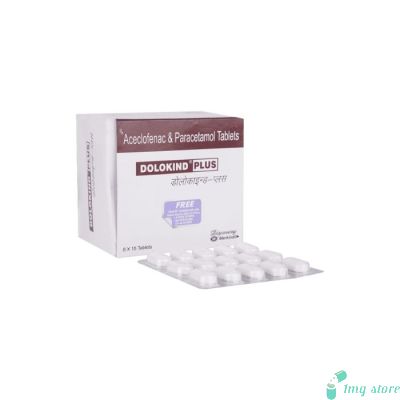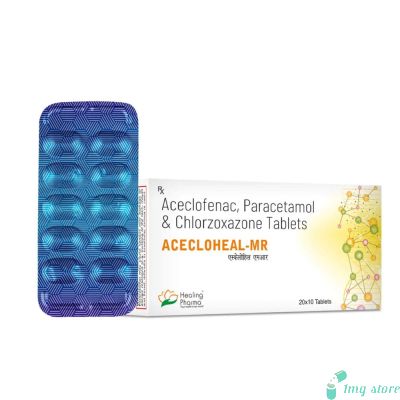
Acecloheal Plus Tablet (Aceclofenac + Paracetamol) | Used for Pain, Swelling & Inflammation
Acecloheal Plus Tablet contains Aceclofenac and Paracetamol, a combination of medicines used to relieve pain and reduce inflammation. Aceclofenac belongs to the non-steroidal anti-inflammatory drug (NSAID) group, while Paracetamol helps reduce pain and fever.


Product Overview
Acecloheal Plus Tablet combines Aceclofenac, an NSAID, with Paracetamol, an analgesic and antipyretic medicine. The combination may be prescribed for conditions involving pain and inflammation, including musculoskeletal and joint-related conditions.
Aceclofenac works mainly by reducing the production of prostaglandins, substances involved in pain, inflammation, and fever. Paracetamol provides additional pain and fever relief through a different mechanism.
Product Information
| Product Information | Details |
| Product Name | Acecloheal Plus Tablet |
| Active Ingredients | Aceclofenac + Paracetamol |
| Drug Class | NSAID + Analgesic/Antipyretic |
| Dosage Form | Tablet |
| Route of Administration | Oral |
| Main Uses | Pain, Inflammation and Fever |
| Main Action | Reduces Pain and Inflammatory Symptoms |
Administration | As prescribed by a healthcare professional |
How Does Acecloheal Plus Work?
Aceclofenac helps reduce the production of prostaglandins, substances involved in pain and inflammation. This can help decrease swelling, tenderness, and stiffness.
Paracetamol works as a pain reliever and fever reducer. Its action complements the pain-relieving effect of Aceclofenac.
How Does It Help With Pain and Inflammation?
The combination can help manage pain associated with inflammatory conditions. Aceclofenac primarily addresses inflammation, while Paracetamol provides additional pain relief.
When Is It Used?
Acecloheal Plus may be prescribed for pain and inflammation associated with conditions such as joint disorders, arthritis, muscle pain, and other musculoskeletal conditions.
Important Information
Take Acecloheal Plus according to the prescribed instructions. Avoid taking additional medicines containing Paracetamol, Aceclofenac, or other NSAIDs unless advised by a healthcare professional.
People with stomach ulcers, kidney or liver problems, heart conditions, asthma related to NSAIDs, or bleeding disorders should inform their healthcare professional before using this medicine.
Precaution
Acecloheal Plus Tablet should be used carefully, particularly in people with a history of stomach ulcers, gastrointestinal bleeding, kidney disease, liver disease, heart disease, high blood pressure, asthma triggered by painkillers, or bleeding disorders.
Stomach and Intestinal Problems
Aceclofenac may irritate the stomach and intestines and can increase the risk of ulcers or gastrointestinal bleeding. Inform your healthcare professional if you have previously experienced ulcers, bleeding, or significant stomach problems.
Liver Problems
Because the medicine contains Paracetamol, people with liver disease or regular alcohol consumption should discuss its use with a healthcare professional. Avoid taking other Paracetamol-containing medicines unless specifically advised.
Kidney Problems
NSAIDs can affect kidney function in some people. Patients with kidney disease, dehydration, or conditions affecting kidney blood flow may require additional monitoring.
Heart and Blood Pressure Conditions
NSAIDs may cause fluid retention and can affect blood pressure. Tell your doctor if you have heart disease, high blood pressure, or a history of stroke.
Allergies and Asthma
Tell your healthcare professional if you have previously experienced an allergic reaction, asthma, wheezing, or nasal symptoms after taking aspirin or other NSAIDs.
Bleeding Risk
Aceclofenac can affect platelet function and may increase bleeding risk, particularly when combined with anticoagulants or other medicines that affect blood clotting.
Pregnancy and Breastfeeding
Discuss the use of Acecloheal Plus with a healthcare professional if you are pregnant, planning pregnancy, or breastfeeding. NSAIDs require particular caution during pregnancy.
Other Medicines
Provide a complete list of prescription medicines, over-the-counter products, vitamins, and supplements you use before starting treatment.
Avoid Duplicate Ingredients
Do not combine Acecloheal Plus with another medicine containing Paracetamol or Aceclofenac without medical advice.
Usage
Acecloheal Plus Tablet should be taken orally as directed by a healthcare professional. Swallow the tablet whole with sufficient water and follow the prescribed dose and treatment duration.
It is generally recommended to take the tablet with or after food, particularly if you experience stomach discomfort with NSAID medicines. Try to take it at a consistent time when used regularly.
Do not exceed the prescribed dose. Since Acecloheal Plus contains Paracetamol, avoid taking other medicines that contain Paracetamol unless your healthcare professional has advised you to do so. Similarly, avoid combining it with other NSAIDs without medical advice.
If you forget a dose, take it when you remember unless it is nearly time for your next dose. Do not take an extra dose to make up for the missed one.
Uses
1. Joint Pain and Inflammation
Acecloheal Plus may be prescribed to manage pain, swelling, and stiffness associated with certain joint conditions.
2. Osteoarthritis
It may help relieve pain and inflammatory symptoms associated with osteoarthritis, a condition that affects the joints.
3. Rheumatoid Arthritis
The combination may be used to manage pain, swelling, and stiffness associated with rheumatoid arthritis as part of the prescribed treatment plan.
4. Muscle Pain
Acecloheal Plus may be used for certain types of muscle pain where inflammation contributes to discomfort.
5. Back Pain
It may be prescribed for some forms of back pain related to musculoskeletal inflammation or injury.
6. Musculoskeletal Pain
The medicine can be used to manage pain and inflammation affecting muscles, joints, and other musculoskeletal tissues.
7. Pain Associated With Inflammatory Conditions
Acecloheal Plus may help reduce pain, tenderness, swelling, and stiffness associated with various inflammatory conditions.
Side Effects
Acecloheal Plus may cause side effects, although not everyone experiences them. The likelihood and severity can vary depending on the dose, treatment duration, and individual health conditions.
Common Side Effects
Possible side effects include:
- Nausea
- Vomiting
- Indigestion
- Stomach discomfort or abdominal pain
- Diarrhea
- Dizziness
- Headache
- Increased liver enzyme levels
Serious Side Effects
Contact a healthcare professional promptly if you experience:
- Severe allergic reaction
- Difficulty breathing or wheezing
- Facial, lip, tongue, or throat swelling
- Severe skin rash or blistering
- Gastrointestinal bleeding
- Significant swelling or sudden weight gain
- Reduced urine output
- Yellowing of the skin or eyes
- Severe or persistent abdominal pain
FAQs
1. What is Acecloheal Plus Tablet used for?
Acecloheal Plus Tablet is used to manage pain and inflammation associated with certain musculoskeletal and joint-related conditions. The Paracetamol component also provides pain- and fever-reducing effects.
2. What are the ingredients in Acecloheal Plus Tablet?
Acecloheal Plus contains two active ingredients: Aceclofenac and Paracetamol.
3. How does Acecloheal Plus work?
Aceclofenac reduces the production of substances involved in inflammation and pain, while Paracetamol provides additional analgesic and antipyretic effects.
4. Can Acecloheal Plus be taken with other painkillers?
Some painkillers, particularly other NSAIDs or medicines containing Paracetamol, may increase the risk of side effects or duplicate ingredients. Consult a healthcare professional before combining pain medicines.
5. Can Acecloheal Plus cause stomach problems?
Yes. Aceclofenac may cause indigestion, nausea, stomach discomfort, ulcers, or gastrointestinal bleeding. Seek medical attention if severe stomach pain or signs of bleeding occur.
6. Can Acecloheal Plus affect the liver?
Yes. The Paracetamol component can cause liver injury when taken in excessive amounts. People with liver disease should discuss its use with a healthcare professional.
7. Can Acecloheal Plus be used during pregnancy?
NSAIDs require particular caution during pregnancy, especially later in pregnancy. Discuss the medicine with a healthcare professional before use.
8. What should I do if I miss a dose?
Take the missed dose when remembered unless it is close to the next scheduled dose. Do not take two doses together to make up for a missed dose.
9. Can Acecloheal Plus be used for long-term pain?
The duration of treatment depends on the underlying condition and individual medical circumstances. Long-term NSAID use may increase certain risks, so treatment duration should be determined by a healthcare professional.
Interactions
Acecloheal Plus can interact with other medicines. Always tell your doctor or pharmacist about all prescription medicines, over-the-counter products, vitamins, and herbal supplements you use.
Anticoagulants and Antiplatelet Medicines
Medicines such as warfarin, aspirin, and other antiplatelet or anticoagulant medicines may increase the risk of bleeding when combined with an NSAID such as aceclofenac.
Other NSAIDs
Taking Acecloheal Plus with other NSAIDs, including ibuprofen, diclofenac, naproxen, or high-dose aspirin, may increase the risk of stomach bleeding, kidney problems, and other NSAID-related adverse effects.
Other Paracetamol-Containing Medicines
Avoid duplicate Paracetamol-containing products unless advised by a healthcare professional. Taking excessive amounts of Paracetamol can cause serious liver injury.
Medicines for High Blood Pressure
NSAIDs may reduce the blood-pressure-lowering effect of certain antihypertensive medicines and may affect kidney function in susceptible patients.
Diuretics
NSAIDs may reduce the effect of diuretics and can increase the risk of kidney problems in some patients.
ACE Inhibitors and ARBs
Aceclofenac may interact with medicines such as ACE inhibitors and angiotensin receptor blockers, particularly in people with dehydration, kidney impairment, or other risk factors.
Lithium
NSAIDs may increase lithium concentrations in the blood and could increase the risk of lithium-related toxicity.
Methotrexate
NSAIDs may affect the elimination of methotrexate and potentially increase its toxicity, particularly at higher methotrexate doses.
Corticosteroids
Using NSAIDs together with corticosteroids may increase the risk of gastrointestinal ulceration and bleeding.
Cyclosporine or Tacrolimus
Combining NSAIDs with these medicines may increase the risk of kidney problems.
| Manufacturer | : | Intas Pharmaceuticals Ltd. |
| Equivalent Brand | : | |
| Generic Search | : | Aceclofenac + Paracetamol |
Latest Products