Depo-Medrol Injection (Methylprednisolone Acetate) | Used to Reduce Inflammation & Allergic Conditions
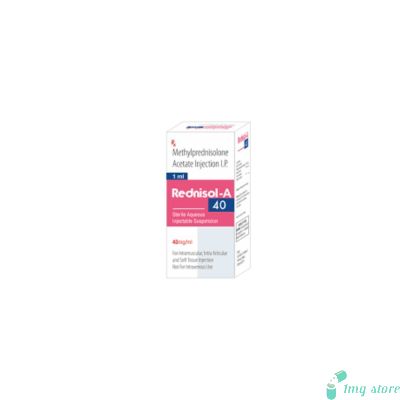
Depo-Medrol Injection contains Methylprednisolone Acetate, a corticosteroid medicine used to reduce inflammation and excessive immune-system activity. It may be administered by healthcare professionals for selected inflammatory, allergic, rheumatic, joint, soft-tissue, and other conditions when corticosteroid treatment is appropriate.


Product Overview
Depo-Medrol Injection is a long-acting corticosteroid preparation containing Methylprednisolone Acetate. It works by reducing the production and activity of substances involved in inflammation and by suppressing excessive immune responses.
The injection is available in different strengths, including 20 mg/mL, 40 mg/mL, and 80 mg/mL, depending on the product presentation. The U.S. prescribing information describes administration by intramuscular, intra-articular, soft-tissue, or intralesional routes, depending on the clinical indication. It is not intended for intravenous administration.
Depo-Medrol may be used when a corticosteroid injection is considered appropriate for inflammatory or immune-related conditions. Because corticosteroids can affect blood glucose, blood pressure, immunity, bone health, and other body systems, the medicine should be administered according to a healthcare professional's instructions.
Key Points
- Contains Methylprednisolone Acetate
- Belongs to the corticosteroid/glucocorticoid class
- Helps reduce inflammation and excessive immune activity
- Available in 20 mg/mL, 40 mg/mL, and 80 mg/mL presentations
- May be given intramuscularly or locally, depending on the condition
- Used for selected inflammatory, allergic, rheumatic, joint, and soft-tissue conditions
- Not intended for intravenous administration
- Prescription medicine that should be used under medical supervision
Product Information
| Product Information | Details |
| Brand Name | Depo-Medrol |
| Generic Name | Methylprednisolone Acetate |
| Drug Class | Corticosteroid / Glucocorticoid |
| Dosage Form | Injectable Suspension |
| Available Strengths | 20 mg/mL, 40 mg/mL, 80 mg/mL |
| Route | Intramuscular, intra-articular, soft tissue, or intralesional, depending on indication |
Prescription | Yes |
How It Works
Methylprednisolone Acetate is a synthetic glucocorticoid. It reduces inflammatory and immune responses by affecting the activity of inflammatory mediators and immune cells.
By reducing these responses, it can help control inflammation, swelling, redness, and other symptoms associated with corticosteroid-responsive conditions.
Precaution
1. Use Only as Prescribed
Depo-Medrol is a prescription corticosteroid and should be administered by an appropriately trained healthcare professional according to the prescribed indication and route.
2. Do Not Use Intravenously
The U.S. product information specifically states that Depo-Medrol is not for intravenous use.
3. Infection Risk
Corticosteroids can reduce immune-system activity and may increase susceptibility to infections or make some infections harder to recognize. Tell your healthcare professional about any current or recent infection.
4. Diabetes and Blood Sugar
Methylprednisolone can increase blood glucose levels. People with diabetes may require closer blood-sugar monitoring during corticosteroid treatment.
5. High Blood Pressure
Corticosteroids may affect fluid and electrolyte balance and can contribute to increased blood pressure in some people. Patients with hypertension should inform their healthcare professional.
6. Stomach and Intestinal Problems
Tell your healthcare professional if you have a history of stomach ulcers, gastrointestinal bleeding, or other significant digestive problems before receiving corticosteroid treatment.
7. Eye Problems
Inform your healthcare professional about glaucoma, cataracts, or other eye conditions because prolonged or repeated corticosteroid treatment can affect the eyes.
8. Bone Health
Repeated or prolonged corticosteroid exposure may affect bone health. People with osteoporosis or other bone-related risk factors should discuss this before treatment.
Usage
- Depo-Medrol Injection should be administered by a healthcare professional.
- The dosage depends on the medical condition, severity, treatment response, and selected route.
- The injection may be administered intramuscularly or into a joint, soft tissue, or lesion when appropriate.
- Do not self-administer the injection unless specifically trained and instructed to do so.
- The product should not be administered intravenously.
- Follow the prescribed treatment schedule and do not receive additional injections without medical advice.
Uses
1. Inflammatory Conditions
Used to reduce inflammation in selected corticosteroid-responsive conditions.
2. Rheumatic Disorders
May be used as part of treatment for certain rheumatic and inflammatory disorders.
3. Joint Inflammation
Local administration may be considered for selected inflammatory joint conditions when clinically appropriate.
4. Allergic Conditions
Corticosteroid treatment may be used for certain severe or persistent allergic conditions when indicated.
5. Soft-Tissue and Local Inflammation
May be administered into selected soft-tissue or localized inflammatory areas according to the healthcare professional's assessment.
Side Effects
Common Side Effects
- Injection-site pain or discomfort
- Temporary swelling or irritation at the injection site
- Headache
- Dizziness
- Stomach discomfort
- Increased appetite
- Difficulty sleeping
- Mood changes
Serious Side Effects
Seek prompt medical attention for:
- Severe allergic reaction
- Difficulty breathing
- Significant facial, lip, or throat swelling
- Severe infection or signs of infection
- Severe vision changes
- Significant gastrointestinal bleeding or severe abdominal pain
FAQs
1. What is Depo-Medrol Injection?
Depo-Medrol is a corticosteroid injection containing Methylprednisolone Acetate. It is used to reduce inflammation and excessive immune activity in selected medical conditions.
2. What is the generic name of Depo-Medrol?
The generic name is Methylprednisolone Acetate.
3. What type of medicine is Depo-Medrol?
It is a glucocorticoid corticosteroid medicine.
4. What strengths are available?
The U.S. Depo-Medrol product is available in 20 mg/mL, 40 mg/mL, and 80 mg/mL presentations. Availability can vary by market and product presentation.
5. Can Depo-Medrol be given intravenously?
No. The U.S. prescribing information specifically states that Depo-Medrol is not for intravenous use.
6. How is Depo-Medrol administered?
Depending on the indication, it may be administered intramuscularly or by selected local injection routes such as intra-articular, soft-tissue, or intralesional administration.
7. Does Depo-Medrol reduce inflammation?
Yes. Methylprednisolone Acetate is a glucocorticoid that produces anti-inflammatory and immunosuppressive effects.
8. Can Depo-Medrol affect blood sugar?
Yes. Corticosteroids can increase blood glucose levels, particularly in people with diabetes.
Interactions
1. Other Corticosteroids
Using multiple corticosteroid medicines may increase overall corticosteroid exposure and the risk of adverse effects.
2. Diabetes Medicines
Methylprednisolone may increase blood glucose, potentially affecting the effectiveness or dose requirements of diabetes medicines.
3. Anticoagulants
Corticosteroids may affect the response to certain anticoagulant medicines, so monitoring may be required.
4. NSAIDs
Combining corticosteroids with certain nonsteroidal anti-inflammatory drugs may increase the risk of gastrointestinal complications.
5. Vaccines
Because corticosteroids can suppress immune responses, some vaccines may require special consideration during treatment.
6. Medicines Affecting Liver Enzymes
Certain medicines can change corticosteroid metabolism and may alter methylprednisolone exposure.
7. Diuretics and Electrolyte-Affecting Medicines
Some medicines that affect fluid or electrolyte balance may require additional monitoring when used with corticosteroids.
8. Other Prescription and OTC Medicines
Tell your healthcare professional about all prescription medicines, over-the-counter medicines, vitamins, and supplements before receiving Depo-Medrol.
| Manufacturer | : | Neon Laboratories Ltd. |
| Equivalent Brand | : | Depo-Medrol |
| Generic Search | : | Methylprednisolone Acetate |
Latest Products