Defcort Tablet (Deflazacort): Corticosteroid Tablet | For Inflammation, Allergic Conditions, and Immune System Disorders
Defnalone Tablet contains deflazacort, a corticosteroid that helps reduce inflammation and regulate immune system activity. It is used to manage certain inflammatory and autoimmune conditions, with the appropriate strength and dosage depending on individual treatment needs.


Product Overview
Defnalone Tablet contains deflazacort, a corticosteroid that helps reduce inflammation and regulate the body's immune response. It is used in the management of certain inflammatory and autoimmune conditions. Deflazacort may also be used in specific cases of Duchenne muscular dystrophy, depending on the individual's needs and applicable treatment guidance.
What Is Defnalone Tablet?
Defnalone Tablet is an oral medicine containing deflazacort as its active ingredient. Corticosteroids work by influencing the body's inflammatory processes and immune activity. When inflammation becomes excessive, it can contribute to swelling, redness, pain, and discomfort. Deflazacort helps control these responses and supports the management of selected medical conditions.
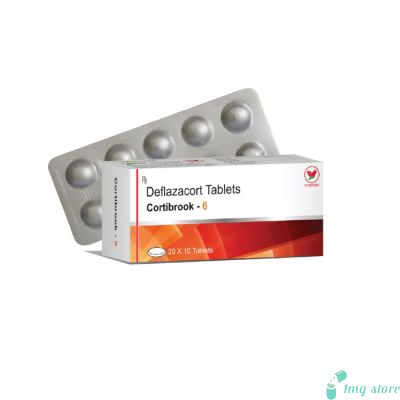
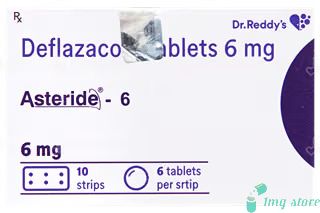
The appropriate use of Defnalone Tablet depends on the diagnosis, tablet strength, and individual treatment plan. The exact strength should always be confirmed from the product packaging.
How Does Defnalone Tablet Work?
Deflazacort reduces the activity of substances involved in inflammation and modifies certain immune responses. This action helps control inflammation in affected tissues and may improve symptoms associated with conditions that respond to corticosteroid treatment.
Its effects vary depending on the underlying condition, dose, and duration of treatment. The medicine is intended for situations in which reducing inflammation or modifying immune activity is considered appropriate.
How Is Defnalone Tablet Taken?
Defnalone Tablet should be taken according to the instructions provided by a healthcare professional. The dose and duration depend on the condition being managed, the tablet strength, and the individual's response to treatment.
Swallow the tablet with water and follow the recommended schedule. Instructions regarding food should be followed according to the product information and professional guidance. For people receiving long-term corticosteroid treatment, the dose may need to be reduced gradually rather than stopped suddenly.
Importance of the Correct Dosage
The appropriate dosage of Defnalone Tablet varies from person to person. Factors such as the underlying condition, symptom severity, age, and duration of treatment can influence the treatment plan.
Using the correct strength and following the recommended schedule helps maintain consistent treatment. The dose should not be increased, reduced, or discontinued independently.
Defnalone Tablet and Long-Term Treatment
Some conditions may require corticosteroid treatment over an extended period. During longer courses of deflazacort, regular monitoring may be needed to assess the treatment response and overall health.
A healthcare professional may review factors such as blood sugar, blood pressure, bone health, and eye health, depending on the dose and duration of use. The treatment plan may be adjusted according to the individual's progress and ongoing needs.
Storage and Handling
Store Defnalone Tablet according to the instructions printed on its packaging. Keep the tablets in their original packaging, away from excessive heat and moisture, and out of the reach of children. Check the expiry date before use and do not use tablets that show visible damage or changes.
Summary
Defnalone Tablet contains deflazacort, a corticosteroid that helps control inflammation and regulate immune system activity. It is used in selected inflammatory and autoimmune conditions and may have a role in managing Duchenne muscular dystrophy in appropriate cases. The correct strength, dosage, and duration depend on individual treatment needs and should follow professional guidance.
Precaution
1. Follow the Recommended Dose
Take Defnalone Tablet exactly as directed by your healthcare professional. Do not change the dose independently.
2. Avoid Stopping Suddenly
Long-term use of deflazacort may require gradual dose reduction. Do not stop treatment abruptly without medical guidance.
3. Monitor Blood Sugar
Defnalone Tablet may increase blood sugar levels. Regular monitoring may be important, particularly for people with diabetes.
4. Inform About Existing Conditions
Discuss any history of high blood pressure, bone weakness, stomach problems, or eye conditions before starting treatment.
5. Watch for Signs of Infection
Deflazacort can reduce the body's immune response. Inform your healthcare professional if you develop a fever or other signs of infection.
6. Discuss Other Medicines
Share details of all medicines, supplements, and herbal products you use to help identify possible interactions.
7. Pregnancy and Breastfeeding
Consult a healthcare professional before using Defnalone Tablet during pregnancy or breastfeeding to assess its suitability.
8. Attend Regular Check-Ups
Long-term treatment may require monitoring of blood pressure, blood sugar, bone health, and eye health.
9. Follow Vaccination Guidance
Tell your healthcare professional that you take deflazacort before receiving any vaccine, as certain live vaccines may not be suitable during treatment.
Usage
Defnalone Tablet contains deflazacort, a corticosteroid used to help manage certain inflammatory and autoimmune conditions. It works by reducing inflammation and regulating immune system activity. The correct dosage and duration depend on the individual's condition and treatment plan.
How to Take Defnalone Tablet
Follow the recommended dose: Take the tablet as directed by your healthcare professional.
Take it orally: Swallow the tablet with water according to the product instructions.
Maintain a regular schedule: Take it at the recommended time for consistent use.
Follow food instructions: Check whether the tablet should be taken with food, based on the product information and professional guidance.
Avoid sudden discontinuation: Long-term treatment may require gradual dose reduction under medical supervision.
Handle missed doses carefully: Follow the instructions provided by your healthcare professional instead of taking an extra dose.
Important Usage Information
The dosage of Defnalone Tablet varies according to the condition being managed, the tablet strength, and the individual's response. Do not change the dose or stop long-term treatment suddenly without medical guidance. Regular monitoring may be needed during extended use.
Uses
Defnalone Tablet contains deflazacort, a corticosteroid that helps reduce inflammation and regulate immune system activity. It is used to manage selected conditions where inflammation or an overactive immune response affects normal body functions.
1. Inflammatory Conditions
Defnalone Tablet helps control inflammation and related symptoms in certain inflammatory disorders.
2. Autoimmune Conditions
It may be used to manage selected autoimmune conditions in which the immune system mistakenly affects healthy tissues.
3. Duchenne Muscular Dystrophy
Deflazacort may help manage Duchenne muscular dystrophy, a genetic condition that causes progressive muscle weakness.
4. Certain Allergic Conditions
In selected cases, deflazacort may help control inflammation associated with specific allergic conditions.
5. Immune-Related Disorders
It may be included in treatment plans for conditions where reducing excessive immune activity is necessary.
Note: The uses of Defnalone Tablet depend on the specific diagnosis, tablet strength, and individual treatment needs. It should be taken only as directed by a healthcare professional.
Side Effects
Defnalone Tablet contains deflazacort, a corticosteroid that helps reduce inflammation and regulate immune system activity. Like other corticosteroids, it may cause side effects depending on the dose, duration of use, and individual response.
1. Increased Appetite
Some people may feel hungrier than usual while taking Defnalone Tablet.
2. Weight Gain
Changes in appetite and fluid balance may contribute to weight gain, especially during long-term treatment.
3. Stomach Discomfort
Indigestion, abdominal discomfort, or stomach irritation may occur in some individuals.
4. Mood Changes
Deflazacort may cause irritability, restlessness, or changes in mood.
5. Sleep Disturbances
Some people may experience difficulty sleeping or changes in their usual sleep pattern.
6. Increased Blood Sugar
Defnalone Tablet may raise blood sugar levels, particularly in people with diabetes.
7. Fluid Retention
Swelling in the face, hands, or feet may occur due to changes in fluid balance.
8. Skin Changes
Long-term use may contribute to acne, easy bruising, or thinning of the skin.
FAQs
1. What is Defnalone Tablet used for?
Defnalone Tablet contains deflazacort, a corticosteroid used to manage certain inflammatory and autoimmune conditions.
2. What is the active ingredient in Defnalone Tablet?
The active ingredient is deflazacort, which helps reduce inflammation and regulate immune system activity.
3. How does Defnalone Tablet work?
It reduces inflammatory processes in the body and modifies the immune response.
4. Can Defnalone Tablet be taken with food?
Follow the product instructions or your healthcare professional's guidance regarding food.
5. Can Defnalone Tablet be stopped suddenly?
Long-term treatment may require gradual dose reduction. Do not stop it abruptly without medical guidance.
6. Can Defnalone Tablet affect blood sugar?
Yes, deflazacort may increase blood sugar levels, particularly in people with diabetes.
7. Is Defnalone Tablet suitable for long-term use?
Long-term use depends on the condition and treatment plan and may require regular health monitoring.
8. Can Defnalone Tablet interact with other medicines?
Yes, certain medicines may interact with deflazacort. Share your current medication list with your healthcare professional.
Interactions
Defnalone Tablet contains deflazacort, a corticosteroid that may interact with certain medicines and affect their action in the body. Inform your healthcare professional about all medicines, supplements, and herbal products you use.
1. Pain Relief Medicines
Medicines such as ibuprofen and aspirin may increase the risk of stomach irritation or bleeding when combined with corticosteroids.
2. Antibiotics and Antifungal Medicines
Medicines such as clarithromycin, erythromycin, and ketoconazole may affect how deflazacort is processed in the body.
3. Diabetes Medicines
Deflazacort may increase blood sugar levels and affect how well insulin or other diabetes medicines work.
4. Blood-Thinning Medicines
Medicines such as warfarin may require closer monitoring because corticosteroids can alter their effects.
5. Vaccines
Certain live vaccines may not be suitable during corticosteroid treatment, particularly when higher doses are used.
6. Other Corticosteroids
Taking Defnalone Tablet with other corticosteroid medicines may increase the overall effects and the likelihood of unwanted reactions.
7. Medicines That Affect Liver Enzymes
Medicines such as rifampicin, carbamazepine, and phenytoin may change deflazacort levels and affect its response.
8. Diuretics and Certain Heart Medicines
Some diuretics and medicines such as digoxin may require additional monitoring because corticosteroids can affect potassium levels and fluid balance.
Important: Interaction risks depend on the medicine, dose, and duration of treatment. Do not start, stop, or change any medicine without professional guidance.
| Manufacturer | : | Macleods Pharma, India |
| Equivalent Brand | : | Defcort |
| Generic Search | : | Deflazacort |
Latest Products