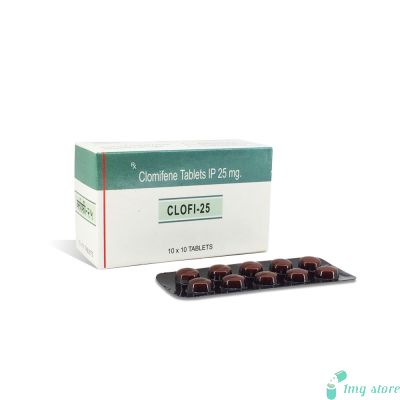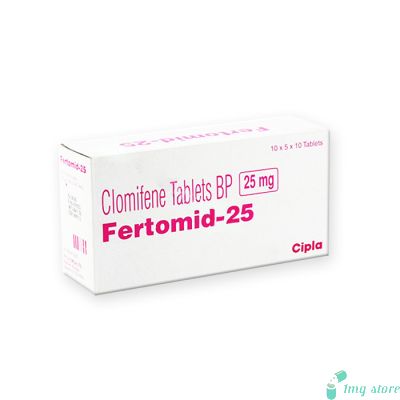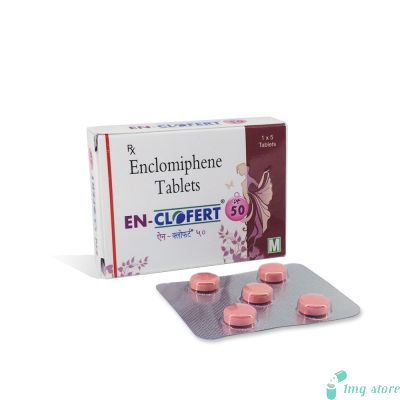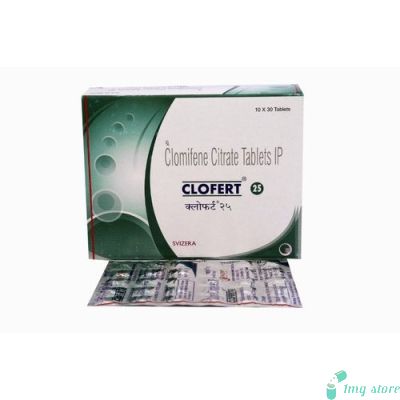
Fertogard (Clomiphene)
Fertogard Tablet contains clomiphene, an active ingredient that helps stimulate ovulation in women experiencing certain fertility-related difficulties. It works by influencing hormonal signals involved in egg development and release from the ovaries.


Product Overview
Fertogard Tablet is a medicine used to help stimulate ovulation in women who experience certain difficulties with regular egg release. Its active ingredient is clomiphene, which belongs to a group of medicines called selective estrogen receptor modulators (SERMs). Clomiphene acts on the hormonal feedback system involved in reproduction and helps encourage the hormonal changes needed for an egg to mature and be released from the ovary.
Ovulation is the process in which a mature egg is released from an ovary during the menstrual cycle. When ovulation occurs irregularly or does not occur, becoming pregnant may be more difficult. Fertogard Tablet may be considered as part of a treatment plan when the underlying cause is related to an ovulation problem. Its suitability depends on a person's medical history, hormonal health, menstrual pattern, and the cause of the difficulty.
Active Ingredient in Fertogard Tablet
The active ingredient identified for Fertogard Tablet is clomiphene. However, the exact strength and formulation should be checked on the product packaging, as product listings may vary. Clomiphene is commonly available in different strengths, and the appropriate option depends on individual clinical assessment.
How Fertogard Tablet Works
Clomiphene influences estrogen receptors involved in the body's hormonal regulation. This action can encourage the brain to increase the release of hormones such as follicle-stimulating hormone (FSH) and luteinizing hormone (LH). These hormones play important roles in the development of ovarian follicles and the release of a mature egg.
The response to treatment varies among individuals. Some women may develop and release an egg during treatment, while others may need further evaluation to understand why ovulation is not occurring regularly. Medical monitoring may be used to assess the ovarian response and determine whether ovulation has taken place.
Medical Uses of Fertogard Tablet
Fertogard Tablet may be used in selected cases where difficulty becoming pregnant is associated with irregular or absent ovulation. It may be considered for women with certain hormonal conditions, including some cases of polycystic ovary syndrome (PCOS), when egg release is affected.
However, not all fertility difficulties are caused by ovulation problems. Factors involving the fallopian tubes, uterus, sperm health, or other hormonal conditions may also affect the chances of pregnancy. A medical evaluation helps identify whether clomiphene is an appropriate option.
Fertogard Tablet and PCOS
Polycystic ovary syndrome is a hormonal condition that can affect menstrual regularity and ovulation. Some women with PCOS experience infrequent ovulation or do not release an egg regularly. Clomiphene may be considered in selected cases to stimulate egg development and release.
The suitability of this treatment depends on individual circumstances and current clinical recommendations. Other treatment options may be more appropriate for some women, so the choice should be based on a healthcare professional's assessment.
Available Strengths and Treatment Schedule
Fertogard products may be listed in strengths such as 50 mg and 100 mg. The exact strength should always be verified from the packaging and product information. The treatment schedule is generally linked to specific days of the menstrual cycle, and the amount and duration depend on the individual's response and medical assessment.
Taking a higher amount or repeating treatment cycles without guidance does not necessarily improve the outcome and may increase the risk of complications. Follow the recommended treatment plan and attend any suggested monitoring appointments.
Precaution
Pregnancy: Fertogard Tablet should not be used during pregnancy. Pregnancy should be ruled out before starting treatment.
Liver Health: Inform your healthcare professional if you have a history of liver problems.
Ovarian Conditions: Discuss any ovarian cysts, enlargement, or unexplained pelvic pain before using this medicine.
Hormonal Disorders: Inform your healthcare professional about thyroid, adrenal, or other hormonal conditions.
Unusual Bleeding: Seek medical evaluation for unexplained vaginal bleeding before starting treatment.
Vision Changes: Report blurred vision, flashes, or other visual disturbances promptly.
Multiple Pregnancy: Ovulation stimulation may increase the possibility of twins or other multiple pregnancies.
Treatment Duration: Follow the recommended treatment schedule and avoid repeated courses without medical monitoring.
Other Medicines: Share details of all medicines and supplements you use to help assess possible interactions.
Important: Use Fertogard Tablet only under appropriate medical supervision and seek prompt medical attention for severe abdominal pain, significant swelling, or sudden changes in vision.
Usage
Fertogard Tablet contains clomiphene, an ingredient used to stimulate ovulation in women with certain ovulation-related difficulties. It should be taken according to the treatment schedule recommended by a qualified healthcare professional.
How to Take Fertogard Tablet
Oral administration: Swallow the tablet with water as directed.
Treatment timing: The treatment schedule is usually linked to specific days of the menstrual cycle.
Recommended dose: Follow the advised dose based on the tablet strength and individual response.
Missed dose: Contact your healthcare professional for guidance rather than doubling the next dose.
Monitoring: Attend recommended follow-up appointments to assess ovulation and check for possible complications.
Uses
Fertogard Tablet contains clomiphene, an active ingredient that helps stimulate ovulation by influencing hormones involved in egg development and release. It may be used for the following purposes:
1. Treatment of Ovulation Problems
Fertogard Tablet helps stimulate egg development and release in women who do not ovulate regularly.
2. Support for Certain Fertility Difficulties
It may be used when difficulty becoming pregnant is associated with irregular or absent ovulation.
3. PCOS-Related Ovulation Problems
In selected cases, clomiphene may help women with polycystic ovary syndrome (PCOS) who experience difficulties with regular ovulation.
4. Hormonal Stimulation of Egg Release
Clomiphene influences hormonal signals that support ovarian follicle development and the release of a mature egg.
Important: Fertogard Tablet is not suitable for every cause of fertility difficulty. A healthcare professional should assess its suitability and monitor treatment as needed.
Side Effects
Fertogard Tablet contains clomiphene, which may cause side effects while stimulating ovulation. The effects can vary depending on individual response, dosage, and treatment duration.
Common Effects
Hot Flushes: A feeling of sudden warmth or facial flushing.
Headache: Mild or moderate head discomfort may occur.
Nausea: Some people may experience nausea or stomach discomfort.
Breast Tenderness: Temporary breast sensitivity or discomfort may develop.
Abdominal Discomfort: Mild bloating or pelvic discomfort may occur.
Dizziness: Some people may feel light-headed during treatment.
Changes in Menstrual Bleeding: Menstrual patterns may change during treatment.
FAQs
1. What is Fertogard Tablet used for?
Fertogard Tablet is used to stimulate ovulation in women experiencing certain difficulties with regular egg release.
2. What is the active ingredient in Fertogard Tablet?
Fertogard Tablet contains clomiphene, which helps regulate hormonal signals involved in ovulation.
3. How does Fertogard Tablet work?
It encourages the release of hormones that support ovarian follicle development and egg release.
4. Can Fertogard Tablet be used for PCOS?
It may be considered for selected women with PCOS who experience ovulation difficulties.
5. What are the common side effects of Fertogard Tablet?
Common side effects include hot flushes, headache, nausea, breast tenderness, and abdominal discomfort.
6. Can Fertogard Tablet be taken during pregnancy?
No. Fertogard Tablet should not be used during pregnancy.
7. Does Fertogard Tablet require medical monitoring?
Yes. Monitoring may help assess the response to treatment and identify possible complications.
Interactions
Fertogard Tablet contains clomiphene, which affects hormonal signals involved in ovulation. Inform your healthcare professional about all medicines and supplements you use before starting treatment.
1. Other Fertility Medicines
Using Fertogard Tablet with other medicines that stimulate ovulation may affect the ovarian response. Medical supervision is important when combining fertility treatments.
2. Hormonal Medicines
Inform your healthcare professional about any hormone-related medicines, as your overall treatment plan may need careful assessment.
3. Prescription and Nonprescription Medicines
Share a complete list of your current medicines to help identify potential interactions and avoid unnecessary complications.
4. Vitamins and Herbal Supplements
Tell your healthcare professional about vitamins, herbal products, and other supplements you take, even if they are available without a prescription.
| Manufacturer | : | Healing Pharma India Pvt Ltd |
| Equivalent Brand | : | Clomid |
| Generic Search | : | Clomiphene Citrate |
Latest Products