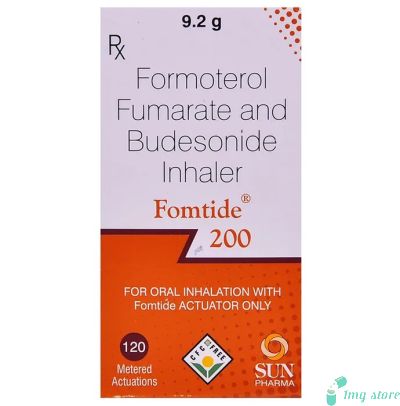
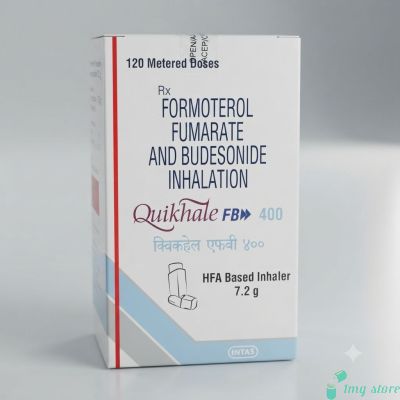
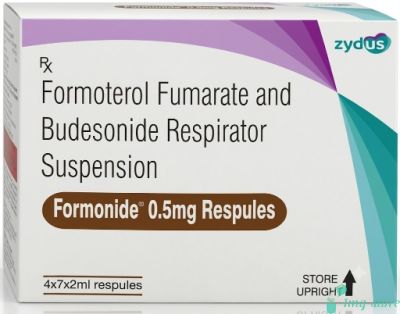
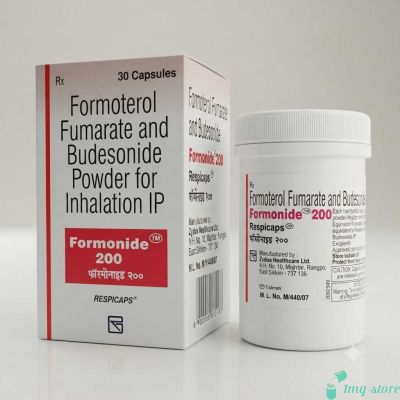
Formonide Forte Inhaler (Formoterol + Budesonide) | For Asthma & COPD Maintenance Therapy, Bronchodilation and Airway Inflammation Control


Product Overview
Formonide Forte Inhaler is a combination respiratory medication containing Formoterol + Budesonide, designed for the long-term management of asthma and chronic obstructive pulmonary disease (COPD). It works by combining a fast-acting bronchodilator with an anti-inflammatory corticosteroid, helping improve breathing while reducing airway inflammation.
This inhaler is widely used in maintenance therapy, particularly in patients who require both airway relaxation and long-term inflammation control. It helps reduce the frequency of asthma attacks and improves overall lung function when used regularly as prescribed.
Mechanism Insights (How It Works)
- Airway Relaxation (Formoterol)
Formoterol stimulates beta-2 receptors in the airway smooth muscles, leading to rapid and sustained bronchodilation. This helps open narrowed airways and improves airflow to the lungs. - Anti-Inflammatory Action (Budesonide)
Budesonide reduces inflammation in the airways by suppressing inflammatory cells and mediators. This decreases swelling, mucus production, and airway hyperreactivity. - Combined Therapeutic Effect
Together, both components provide dual action—quick relief of airway constriction and long-term control of inflammation, resulting in better symptom control and reduced exacerbations.
Administration Guidelines
- Use strictly as prescribed by a healthcare professional
- Shake the inhaler well before use (if applicable to device type)
- Inhale deeply and hold breath for a few seconds after activation
- Rinse mouth after use to reduce risk of oral fungal infection
- Do not exceed recommended dosage or frequency
Clinical Considerations
- Used as maintenance therapy, not for sudden asthma attacks
- Helps reduce reliance on rescue inhalers over time
- Regular use improves long-term lung function and symptom control
- Requires consistent adherence for maximum effectiveness
- Dose may be adjusted based on disease severity and response
Precautions
Formonide Forte Inhaler should be used carefully under medical supervision to ensure safe and effective management of asthma or COPD. Proper inhaler technique and adherence to prescribed dosing are important for best results.
General Precautions
- Use only as prescribed by a healthcare professional
- Do not exceed the recommended dose, as overuse may increase side effects
- Rinse mouth after each use to reduce risk of oral fungal infection (thrush)
- Do not stop the medication suddenly without consulting your doctor
- Ensure correct inhaler technique for proper drug delivery to the lungs
Respiratory & Heart-Related Considerations
- Use cautiously in patients with heart disease, high blood pressure, or irregular heartbeat
- Formoterol may cause palpitations or increased heart rate in some individuals
- Report worsening breathing symptoms immediately (may indicate poor asthma control)
- Not intended for sudden asthma attacks (use a rescue inhaler if prescribed)
Steroid (Budesonide) Considerations
- Long-term use may slightly increase risk of infections
- Use with caution in patients with weakened immune systems
- Regular follow-up may be required for patients on prolonged therapy
- Watch for signs of oral thrush (white patches in mouth, sore throat)
Pregnancy & Breastfeeding
- Use only if clearly prescribed by a doctor during pregnancy
- Benefits should be weighed against potential risks
- Small amounts may pass into breast milk; consult a healthcare provider before use
Infection & Lifestyle Precautions
- Maintain good oral hygiene to prevent fungal infections
- Avoid exposure to respiratory irritants (smoke, dust, pollution)
- Do not share inhalers with others
- Follow regular asthma/COPD control measures as advised by your doctor
Usage
General Usage Information
Formonide Forte Inhaler (Formoterol + Budesonide) is a combination inhalation therapy used for long-term management of asthma and chronic obstructive pulmonary disease (COPD). It works by relaxing airway muscles and reducing inflammation in the lungs, helping to improve breathing and prevent symptoms like wheezing, shortness of breath, and chest tightness.
The effectiveness of treatment depends on correct inhaler technique, regular use, and consistent adherence to the prescribed schedule. It is not intended for sudden asthma attacks.
Key Usage Points
✔ Use the inhaler exactly as prescribed by your healthcare provider
✔ Shake the inhaler well before each use
✔ Rinse your mouth with water after use to prevent fungal infections (thrush)
✔ Do not use it for immediate relief of acute breathing problems
✔ Take regularly even if you feel well to maintain control of symptoms
✔ Store in a cool, dry place away from direct heat or sunlight
Uses
Formonide Forte Inhaler is commonly used for:
- Long-term management of asthma
- Maintenance treatment of COPD
- Prevention of breathing difficulty, wheezing, and chest tightness
- Reducing frequency of asthma/COPD flare-ups
Side Effects
General Safety Information
Formonide Forte Inhaler is generally well tolerated when used as prescribed for asthma and COPD management. Most side effects are mild and related to local airway irritation or the effects of long-term inhaled corticosteroid use. Individual response may vary based on dose, duration, and underlying health condition.
Common Side Effects
✔ Throat irritation or sore throat
✔ Hoarseness of voice
✔ Cough after inhalation
✔ Headache
✔ Tremors or shakiness (due to Formoterol)
✔ Mild palpitations or fast heartbeat
✔ Oral fungal infection (oral thrush)
✔ Dry mouth
These effects are usually mild and temporary. Proper inhaler technique and rinsing the mouth after use can reduce some of these symptoms.
Serious Side Effects (Rare but Important)
⚠ Seek medical attention if you experience:
• Sudden worsening of breathing (paradoxical bronchospasm)
• Chest pain or severe palpitations
• Signs of allergic reaction (rash, itching, swelling, breathing difficulty)
• Frequent infections or persistent fever (possible lung infection)
• Vision changes or eye pain (rare)
• Symptoms of adrenal suppression with long-term high-dose use (fatigue, weakness, weight loss)
Risk Factors & Monitoring
Higher risk of side effects may occur in:
• Patients using high-dose or long-term inhaled corticosteroids
• Individuals with heart conditions (due to Formoterol effects)
• Patients with frequent respiratory infections
• People not using proper inhaler technique
Monitoring may include:
• Regular lung function assessment
• Oral examination for fungal infection
• Periodic review of inhaler dose
• Monitoring heart rate in sensitive patients
FAQs
1. What is Formonide Forte Inhaler used for?
Formonide Forte Inhaler contains formoterol and budesonide. It is used to help manage asthma and, when prescribed, certain cases of chronic obstructive pulmonary disease (COPD).
2. How does Formonide Forte Inhaler work?
Formoterol relaxes the muscles around the airways to help keep them open, while budesonide reduces inflammation and swelling inside the airways.
3. How should I use Formonide Forte Inhaler?
Use it exactly as prescribed by your doctor. Follow the inhalation steps for your specific device, breathe in using the recommended technique, and rinse your mouth with water after each dose.
4. What are the common side effects of Formonide Forte Inhaler?
Possible side effects include throat irritation, hoarseness, headache, tremors, and oral fungal infections. Contact your doctor if symptoms persist or become troublesome.
5. Can Formonide Forte Inhaler provide immediate relief during an asthma attack?
It should not automatically be relied on as a rescue inhaler. Follow your asthma action plan and use your prescribed reliever medicine for sudden breathing difficulties unless your doctor has specifically instructed you to use this inhaler for relief.
6. Why should I rinse my mouth after using Formonide Forte Inhaler?
Rinsing your mouth and spitting out the water helps reduce the risk of oral thrush, a fungal infection that can develop with inhaled budesonide.
7. Can I use Formonide Forte Inhaler every day?
Yes, it is commonly prescribed for regular use to help control breathing symptoms. Use it consistently as directed, even when you feel well, and do not change the dose yourself.
8. Can I stop using Formonide Forte Inhaler when my breathing improves?
Do not stop or change your treatment without consulting your doctor. Your symptoms may return if the medicine is stopped, even when you are feeling better.
9. Can Formonide Forte Inhaler be used with other inhalers?
It may be prescribed alongside other inhalers, but avoid using additional medicines containing formoterol or other long-acting beta-agonists unless your doctor approves. Tell your doctor about all inhalers and medicines you use.
10. What precautions should I follow while using Formonide Forte Inhaler?
Use the correct inhalation technique, rinse your mouth after each dose, and keep track of your symptoms. Seek urgent medical help if your breathing suddenly worsens or does not improve with your prescribed reliever medicine.
Interactions
General Interaction Overview
Formonide Forte Inhaler contains Formoterol (a long-acting bronchodilator) and Budesonide (an inhaled corticosteroid). It may interact with certain medicines that can affect airway response, steroid metabolism, or increase the risk of cardiovascular or metabolic side effects. Inform your healthcare provider about all medications you are using before starting this inhaler.
1. Other Inhalers
Using other inhalers, especially those containing similar ingredients, may increase the risk of side effects.
Ask your healthcare professional before combining inhalers.
2. Beta-Blockers
Medicines such as propranolol and atenolol may interfere with formoterol's effect on breathing.
Tell your healthcare professional if you take medicines for heart conditions or blood pressure.
3. Certain Antibiotics and Antifungal Medicines
Medicines such as clarithromycin, ketoconazole, and itraconazole may affect how these ingredients work or increase side effects.
Check with your healthcare professional before using them together.
4. Diuretics (Water Tablets)
Medicines such as furosemide may lower potassium levels, and formoterol can sometimes add to this effect.
Your healthcare professional may monitor your potassium levels if needed.
5. Other Steroid Medicines
Taking other corticosteroids alongside budesonide may increase the overall steroid exposure.
Inform your healthcare professional if you use steroid tablets, injections, or other inhalers.
6. Certain Heart Medicines
Some medicines that affect heart rhythm may increase the risk of an irregular heartbeat when combined with formoterol.
Share your heart medication list with your healthcare professional.
Tips to Avoid Interactions
Keep your healthcare professional informed about all medicines and supplements you take.
Use Formonide Forte exactly as prescribed and do not add another inhaler without advice.
Rinse your mouth with water and spit it out after each use to help reduce the risk of oral thrush.
Note: Not every combination causes a problem, but some may require dose adjustments or monitoring. Do not stop your regular medicines or change your inhaler dose without medical advice.
| Manufacturer | : | Zydus Pharma, India |
| Equivalent Brand | : | Symbicort |
| Generic Search | : | Formoterol + Budesonide |
Latest Products