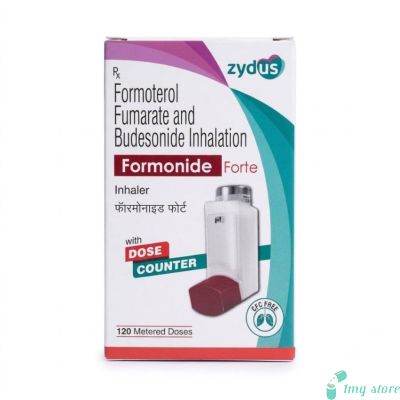
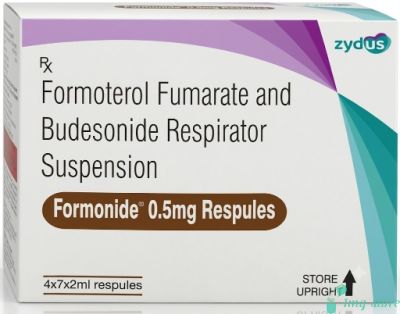
Fomtide Inhaler (Formoterol + Budesonide): Bronchodilator & Corticosteroid Inhaler | For Asthma, COPD Maintenance & Long-Term Breathing Control
Fomtide Inhaler contains formoterol, a bronchodilator that helps relax the airway muscles, and budesonide, a corticosteroid that reduces inflammation in the airways. This combination is used to manage respiratory conditions such as asthma and, in certain cases, chronic obstructive pulmonary disease (COPD). Regular use as prescribed helps control symptoms such as wheezing, coughing, and shortness of breath.


Product Overview
Fomtide Inhaler contains Formoterol and Budesonide, a combination of medicines used to manage respiratory conditions such as asthma and, in some cases, chronic obstructive pulmonary disease (COPD). Budesonide helps reduce inflammation and swelling in the airways, while Formoterol relaxes the muscles around the airways, making breathing easier. Together, they help control symptoms such as wheezing, coughing, chest tightness, and shortness of breath.
How Does Fomtide Inhaler Work?
Fomtide combines two medicines with different actions. Budesonide is a corticosteroid that reduces airway inflammation, while Formoterol is a long-acting bronchodilator that relaxes airway muscles and helps keep the breathing passages open.
Understanding Its Role in the Body
Fomtide helps control ongoing airway inflammation and supports better airflow when used as prescribed. Regular use may help reduce respiratory symptoms and the risk of asthma flare-ups. It should be used according to your prescribed treatment plan and is not intended for sudden breathing attacks unless your doctor has specifically advised its use for that purpose.
Key Uses of Fomtide Inhaler
- Asthma management: Helps control inflammation and breathing symptoms associated with asthma.
- COPD management: May help improve airflow and manage symptoms in eligible patients with COPD, depending on the prescribed formulation.
- Symptom control: Helps reduce wheezing, coughing, chest tightness, and breathlessness associated with airway conditions.
Clinical Considerations
Before using Fomtide, a healthcare professional may review your respiratory symptoms, medical history, and other medicines. Inform your doctor if you have heart problems, high blood pressure, diabetes, thyroid disorders, or a history of frequent respiratory infections. Ask your healthcare professional to check your inhaler technique if you are unsure how to use it correctly.
Fomtide may cause throat irritation, hoarseness, headache, or oral fungal infections. Rinse your mouth with water and spit it out after each use to help reduce the risk of oral thrush. Use the inhaler exactly as prescribed, and do not stop regular treatment without medical advice. Seek urgent medical help if your breathing suddenly worsens or you experience severe difficulty breathing.
Note: Use Fomtide Inhaler under medical supervision. Follow the prescribed dose and inhaler instructions. Check the product label for the exact strengths and formulation, and consult your healthcare professional if symptoms persist or worsen.
Precautions
Fomtide Inhaler contains formoterol and budesonide, a combination of medicines used to help manage asthma and certain cases of chronic obstructive pulmonary disease (COPD). Budesonide helps reduce inflammation in the airways, while formoterol helps relax airway muscles. Before using this inhaler, understand the precautions and follow your healthcare professional’s instructions.
Before You Start
Consult your healthcare professional: Confirm that Fomtide Inhaler is suitable for your respiratory condition.
Check the ingredients: Verify the active ingredients and strength on the packaging.
Discuss your medical history: Inform your healthcare professional if you have heart problems, high blood pressure, diabetes, thyroid disorders, or frequent respiratory infections.
Mention other medicines: Report other inhalers, beta-blockers, diuretics, and medicines that may affect heart rhythm.
Discuss pregnancy or breastfeeding: Seek medical advice before using the inhaler if you are pregnant or breastfeeding.
While Using It
Follow the prescribed dose: Do not change the dose or frequency without medical advice.
Use the correct technique: Follow the instructions for using your specific inhaler device.
Rinse your mouth: Rinse and spit out the water after each dose to help reduce the risk of oral thrush.
Do not stop suddenly: Continue treatment as prescribed and consult your healthcare professional before making changes.
Monitor your symptoms: Seek medical advice if breathing difficulties become more frequent or your symptoms worsen.
Keep a rescue inhaler available: If prescribed, use your quick-relief inhaler for sudden breathing symptoms as directed.
When to Seek Medical Help
Persistent side effects: Report ongoing tremors, palpitations, or throat irritation to your healthcare professional.
Signs of oral thrush: Seek advice if you notice white patches in your mouth or persistent soreness.
Worsening breathing: Contact your healthcare professional if your symptoms are not adequately controlled.
Severe breathing difficulty: Seek emergency medical help if breathing becomes severely difficult or does not improve with your prescribed rescue treatment.
Allergic reactions: Seek immediate medical attention for facial swelling or difficulty breathing.
Note:
Fomtide Inhaler should be used according to your healthcare professional’s instructions. Rinse your mouth after each use, follow the correct inhaler technique, and do not rely on it for sudden breathing relief unless specifically instructed. If breathing problems worsen, seek medical advice promptly.
Usage
Follow the prescribed instructions: Use Fomtide Inhaler (Formoterol + Budesonide) exactly as directed by your healthcare professional.
Use it regularly: Follow the prescribed dose and schedule, even when you feel well. Do not change the dose without medical advice.
Use the correct inhalation technique: Follow the product instructions to ensure the medicine reaches your lungs effectively.
Rinse your mouth after use: Rinse and spit out the water after inhalation to help reduce the risk of oral fungal infections.
Check before combining medicines: Inform your doctor about other inhalers or medicines you use, especially other corticosteroids or bronchodilators.
Monitor your response: Contact your doctor if you experience persistent throat irritation, hoarseness, or worsening breathing symptoms.
Uses
Fomtide Inhaler contains Formoterol and Budesonide, a combination of a long-acting bronchodilator and a corticosteroid used to manage respiratory conditions.
Asthma management: Helps control airway inflammation and relax the airway muscles to improve breathing.
COPD management: May be prescribed to help manage symptoms of chronic obstructive pulmonary disease (COPD).
Improves airflow: Formoterol helps relax the muscles around the airways, making it easier to breathe.
Reduces inflammation: Budesonide helps reduce swelling and inflammation in the airways.
Long-term symptom control: Regular use as prescribed can help reduce respiratory symptoms and support better breathing.
Note: Use Fomtide Inhaler according to your doctor's instructions. It is generally intended for ongoing symptom control and should not be relied on as the sole treatment for a sudden, severe breathing attack unless specifically directed by your healthcare professional. Seek urgent medical attention if breathing difficulties become severe or rapidly worsen.
Side Effects
Fomtide Inhaler contains formoterol and budesonide, medicines used to manage respiratory conditions such as asthma and certain cases of COPD. It helps relax the airway muscles and reduce inflammation, making breathing easier. Like other medicines, it may cause side effects in some people, depending on the prescribed dose and individual response.
Common Side Effects
Throat irritation: You may experience a sore or irritated throat.
Hoarseness: Your voice may become temporarily rough or weak.
Oral thrush: You may develop white patches or soreness inside the mouth.
Headache: Some people may experience headaches during treatment.
Tremors: You may notice mild shaking, particularly in the hands.
Palpitations: You may feel a faster heartbeat or fluttering sensation.
Serious Side Effects
Sudden worsening of breathing: If breathing becomes worse immediately after inhalation, seek urgent medical attention.
Heart rhythm changes: Persistent palpitations, chest pain, or an irregular heartbeat require prompt medical assessment.
Severe allergic reaction: Swelling of the face, lips, tongue, or throat, or difficulty breathing, requires emergency medical attention.
Low potassium symptoms: Unusual muscle weakness, cramps, or an irregular heartbeat need medical assessment.
Vision changes: Blurred vision or eye pain should be assessed by a healthcare professional.
Note: Use Fomtide Inhaler exactly as prescribed and follow the correct inhalation technique. Rinse your mouth with water and spit it out after each use to help reduce the risk of oral thrush. Contact your healthcare professional if side effects persist or worsen. Seek emergency care for severe breathing difficulties, chest pain, or signs of a serious allergic reaction.
FAQs
1. What is Fomtide Inhaler used for?
Fomtide Inhaler contains formoterol and budesonide. It is used to help manage asthma and, when prescribed, chronic obstructive pulmonary disease (COPD).
2. How does Fomtide Inhaler work?
Budesonide reduces inflammation in the airways, while formoterol relaxes airway muscles to help improve airflow and breathing.
3. How should Fomtide Inhaler be used?
Use Fomtide Inhaler exactly as prescribed by your doctor. Follow the instructions for your specific inhaler device and do not change the dose without medical advice.
4. What are the common side effects of Fomtide Inhaler?
Common side effects may include throat irritation, hoarseness, headache, cough, and oral fungal infections.
5. Should I rinse my mouth after using Fomtide Inhaler?
Yes. Rinse your mouth with water and spit it out after each use to help reduce the risk of oral thrush and throat irritation.
6. Can Fomtide Inhaler be used during an asthma attack?
Fomtide Inhaler should not automatically be used as a rescue inhaler. Follow your doctor's asthma action plan and use your prescribed quick-relief inhaler for sudden breathing difficulties unless specifically instructed otherwise.
7. Can I stop using Fomtide Inhaler when I feel better?
No. Do not stop using it or change the dose without consulting your doctor, as symptoms may return or worsen.
8. Can Fomtide Inhaler cause oral thrush?
Yes. Budesonide may increase the risk of oral thrush, a fungal infection in the mouth. Rinsing your mouth after each use and maintaining good oral hygiene can help reduce this risk.
9. Can Fomtide Inhaler be used during pregnancy or breastfeeding?
Consult your doctor before using Fomtide Inhaler during pregnancy or breastfeeding. Your doctor will assess the benefits and potential risks based on your condition.
10. What precautions should I take while using Fomtide Inhaler?
Inform your doctor about any heart problems, high blood pressure, diabetes, thyroid disorders, or other medicines you take. Seek medical help if breathing suddenly worsens or does not improve with your prescribed reliever treatment.
Interactions
Fomtide Inhaler contains Formoterol + Budesonide, a combination used to manage asthma and certain breathing conditions. Some medicines may affect how it works or increase the risk of side effects. Here are the key interactions to know about.
1. Beta-Blockers
Interaction: Medicines such as propranolol may reduce formoterol's bronchodilator effect and can sometimes worsen breathing difficulties.
Advice: Tell your doctor if you take beta-blockers, including eye drops used for glaucoma.
2. Other Bronchodilators
Interaction: Using other inhalers containing similar bronchodilators may increase the risk of a fast heartbeat, tremors, or palpitations.
Advice: Use additional inhalers only as directed by your healthcare professional.
3. Diuretics and Certain Heart Medicines
Interaction: Some diuretics and medicines such as digoxin may increase the risk of low potassium levels or heart rhythm disturbances when combined with formoterol.
Advice: Inform your doctor if you take these medicines, especially if you have a heart condition.
4. Strong CYP3A4 Inhibitors
Interaction: Medicines such as ketoconazole, itraconazole, and ritonavir may increase budesonide levels, potentially raising the risk of corticosteroid-related side effects.
Advice: Share your medication list with your doctor before starting any new treatment.
5. Other Steroids
Interaction: Using Fomtide with additional steroid medicines may increase the risk of steroid-related side effects, depending on the dose and duration.
Advice: Tell your doctor about any steroid tablets, injections, nasal sprays, or other inhalers you use.
| Manufacturer | : | Sun Pharma, India |
| Equivalent Brand | : | Symbicort |
| Generic Search | : | Budesonide + Formoterol Fumarate |
Latest Products