Geftistar Tablet (Gefitinib): Targeted Anti-Cancer Therapy | EGFR Inhibitor for Non-Small Cell Lung Cancer (NSCLC) Treatment
Geftistar Tablet contains gefitinib as its active ingredient and is a targeted therapy used to treat certain types of non-small cell lung cancer (NSCLC). It works by blocking the epidermal growth factor receptor (EGFR) signals that help cancer cells grow and divide. Gefitinib is generally used when specific EGFR changes are present in the tumour.


Product Overview
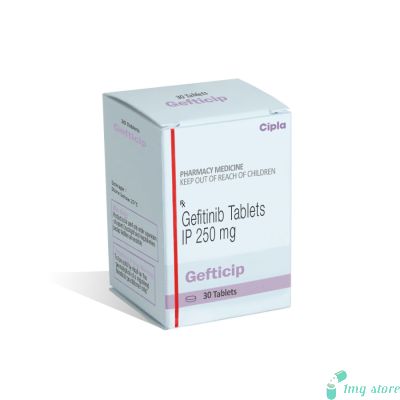
Geftistar Tablet contains gefitinib 250 mg as its active ingredient. Gefitinib is a targeted anticancer medicine belonging to a class called epidermal growth factor receptor (EGFR) tyrosine kinase inhibitors. It is used to treat certain types of non-small cell lung cancer (NSCLC) when specific EGFR gene changes are present in the tumour.
Unlike treatments that act broadly on rapidly dividing cells, gefitinib targets a particular signalling pathway involved in cell growth. Its suitability depends on the tumour’s molecular characteristics and the individual's overall health.
How Geftistar Tablet Works
Gefitinib blocks the activity of the EGFR tyrosine kinase enzyme. In some lung cancers, changes in the EGFR gene cause this pathway to remain active, sending signals that encourage abnormal cells to grow and divide.
By inhibiting this enzyme, Geftistar helps interrupt these growth signals. This can slow the progression of certain EGFR-mutated lung cancers. The response to treatment varies depending on the tumour's characteristics and other individual factors.
Role in Non-Small Cell Lung Cancer
Non-small cell lung cancer is a broad category of lung cancer that includes adenocarcinoma and other tumour types. In some cases, changes in the EGFR gene contribute to the growth and survival of cancer cells.
Gefitinib may be considered when testing confirms an appropriate EGFR mutation. Molecular testing helps identify whether the tumour is likely to respond to this targeted treatment. Not every person with non-small cell lung cancer is suitable for gefitinib, so treatment selection requires specialist assessment.
Importance of EGFR Testing
EGFR testing examines tumour tissue or, in certain circumstances, other suitable biological samples for changes that may respond to targeted medicines. These results help an oncology specialist determine whether gefitinib is an appropriate option.
The decision to use Geftistar depends on the test findings, previous treatment, the stage of the disease, and the individual's medical history. Testing helps support a more personalised approach to treatment.
Dosage and Administration
Geftistar Tablet is taken orally according to the treatment plan established by an oncology specialist. The appropriate dosage and duration depend on the prescribed regimen, individual circumstances, and response to treatment.
Take the tablet according to the product-specific instructions. Do not alter the dosage or stop treatment without consulting the treating specialist. If a dose is missed or vomiting occurs after taking the tablet, follow the product leaflet or seek professional guidance rather than taking an additional dose automatically.
Treatment Monitoring
Regular follow-up helps assess how well gefitinib is working and whether the treatment plan needs to be reviewed. An oncology specialist may recommend imaging tests, clinical assessments, and other investigations based on the individual's condition.
Monitoring also helps identify changes that may require further evaluation. Report new or worsening symptoms promptly so that they can be assessed appropriately.
Summary
Geftistar Tablet contains gefitinib 250 mg, a targeted medicine that blocks EGFR signalling involved in the growth of certain cancer cells. It is used for selected cases of non-small cell lung cancer with specific EGFR mutations. Molecular testing, specialist assessment, and regular monitoring are important parts of treatment planning.
Precaution
Geftistar Tablet contains gefitinib 250 mg, a targeted medicine used to treat certain types of non-small cell lung cancer. Following the recommended precautions helps support safe treatment and appropriate monitoring.
1. Follow the Recommended Dosage
Take Geftistar Tablet exactly as directed by your oncology specialist. Do not change the dose or stop treatment without professional guidance.
2. Monitor Liver Function
Gefitinib may affect liver function. Regular blood tests may be recommended to monitor liver health during treatment.
3. Report Breathing Problems
Contact your healthcare professional promptly if you develop new or worsening breathlessness, persistent cough, or fever, as these may indicate a serious lung reaction.
4. Watch for Skin Changes
Gefitinib may cause skin rash, dryness, or irritation. Report severe or worsening skin reactions to your healthcare professional.
5. Maintain Hydration
Diarrhoea may occur during treatment. Drink adequate fluids and seek medical advice if diarrhoea is persistent, severe, or accompanied by signs of dehydration.
6. Inform Your Healthcare Professional About Other Medicines
Share details of all medicines, vitamins, and herbal supplements you take, as some products may affect gefitinib levels or its effectiveness.
7. Pregnancy and Breastfeeding
Gefitinib may harm an unborn baby. Discuss pregnancy plans and suitable precautions with your oncology specialist. Breastfeeding should also be discussed before treatment.
Usage
Geftistar Tablet contains gefitinib 250 mg, a targeted therapy used to treat certain types of non-small cell lung cancer (NSCLC) with specific EGFR gene mutations. It works by blocking signals that help cancer cells grow and divide. Use this medicine only under the guidance of an oncology specialist.
How to Take Geftistar Tablet
Take Geftistar Tablet according to your oncology specialist’s instructions. Gefitinib can generally be taken with or without food. Swallow the tablet as directed, following the product-specific instructions.
Recommended Dosage
The usual adult dose of gefitinib is 250 mg once daily for approved indications. Your oncology specialist will determine the appropriate treatment plan based on your condition and response to treatment.
Best Time to Take Geftistar Tablet
Take the tablet at a consistent time each day to maintain a regular routine. Follow your oncology specialist’s instructions if your treatment schedule needs to change.
Uses
Geftistar Tablet contains gefitinib 250 mg, a targeted anticancer medicine used to treat certain types of non-small cell lung cancer (NSCLC). It works by blocking epidermal growth factor receptor (EGFR) signals that encourage cancer cells to grow and divide.
1. Non-Small Cell Lung Cancer
Geftistar Tablet is used to treat selected cases of non-small cell lung cancer, particularly when specific EGFR gene mutations are present.
2. EGFR-Mutated Lung Cancer
Gefitinib targets abnormal EGFR signalling that contributes to cancer cell growth. Testing helps determine whether this treatment may be suitable.
3. Targeted Cancer Treatment
Geftistar works on a specific signalling pathway involved in tumour growth, helping slow the progression of certain EGFR-mutated cancers.
4. Long-Term Disease Management
Treatment with gefitinib may help control disease progression in suitable patients. Regular assessments help the oncology specialist evaluate treatment response.
Important: Geftistar Tablet is not suitable for every type of lung cancer. Treatment selection depends on tumour testing, individual health, and specialist guidance.
Side Effects
Geftistar Tablet contains gefitinib 250 mg, a targeted medicine used to treat certain types of non-small cell lung cancer. Like other medicines, it may cause side effects in some people. The effects can vary depending on individual health and response to treatment.
1. Diarrhoea
Loose stools are a common side effect of gefitinib. Maintain adequate fluid intake and contact your healthcare professional if diarrhoea becomes severe or persistent.
2. Skin Rash
Gefitinib may cause acne-like rashes, redness, or skin irritation. Report severe or worsening skin changes to your healthcare professional.
3. Dry Skin
Some people experience skin dryness, itching, or peeling during treatment. Gentle skin care may help reduce discomfort.
4. Nausea and Vomiting
Nausea or vomiting may occur while taking Geftistar Tablet. Seek advice if symptoms persist or make it difficult to maintain adequate fluid intake.
5. Loss of Appetite
Gefitinib may reduce appetite in some people. Inform your healthcare professional if you experience ongoing appetite changes or unintended weight loss.
6. Weakness and Fatigue
Tiredness or reduced energy may occur during treatment. Discuss persistent fatigue with your healthcare professional.
FAQs
1. What is Geftistar Tablet used for?
Geftistar Tablet is used to treat certain types of non-small cell lung cancer with specific EGFR gene mutations.
2. What is the active ingredient in Geftistar Tablet?
Geftistar 250 mg Tablet contains gefitinib 250 mg as its active ingredient.
3. How does Geftistar Tablet work?
Gefitinib blocks EGFR signalling pathways that help certain cancer cells grow and divide.
4. How should Geftistar Tablet be taken?
Take it according to your oncology specialist’s instructions and the product-specific directions.
5. Can Geftistar Tablet be taken with food?
Gefitinib can generally be taken with or without food. Follow the instructions provided with your medicine.
6. What should I do if I miss a dose?
Follow the patient leaflet or contact your healthcare professional. Do not take an extra dose to compensate without guidance.
7. Can Geftistar Tablet interact with other medicines?
Yes. Acid-reducing medicines, rifampicin, certain antifungals, and some seizure medicines may affect gefitinib levels.
8. Does Geftistar Tablet require regular monitoring?
Yes. Your oncology specialist may recommend liver function tests, clinical assessments, and imaging to monitor treatment response.
Interactions
Geftistar Tablet contains gefitinib 250 mg, a targeted medicine used for certain types of non-small cell lung cancer with specific EGFR mutations. Some medicines and supplements can change gefitinib levels in the body, potentially affecting its effectiveness or increasing the risk of unwanted effects. Always share your current medication list with your oncology specialist.
1. Acid-Reducing Medicines
Medicines such as omeprazole, pantoprazole, and famotidine can reduce stomach acidity and may lower gefitinib absorption. Ask your healthcare professional how to manage these medicines during treatment.
2. Antibiotics
Certain antibiotics, including rifampicin, can affect how the body processes gefitinib. Rifampicin may lower gefitinib levels and reduce its effectiveness.
3. Antifungal Medicines
Medicines such as ketoconazole and itraconazole may increase gefitinib levels in the body, potentially raising the risk of unwanted effects.
4. Seizure Medicines
Medicines such as phenytoin and carbamazepine may reduce gefitinib levels and affect treatment effectiveness. Tell your oncology specialist if you take these medicines.
5. Antacids and Heartburn Medicines
Antacids, famotidine, and proton pump inhibitors such as omeprazole may reduce gefitinib absorption. Ask your healthcare professional about suitable timing and alternatives.
| Manufacturer | : | Lupin Pharma, India |
| Equivalent Brand | : | Iressa |
| Generic Search | : | Geftinib |
Latest Products