Geftinat Tablet (Gefitinib): Targeted Anticancer Therapy | EGFR Tyrosine Kinase Inhibitor for Non-Small Cell Lung Cancer


Product Overview
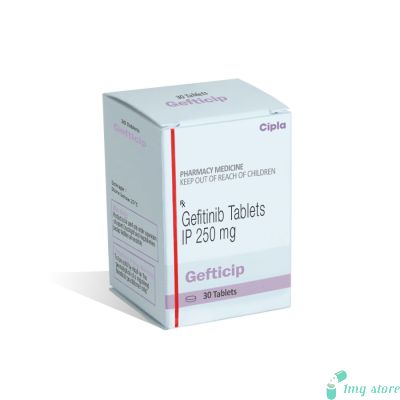
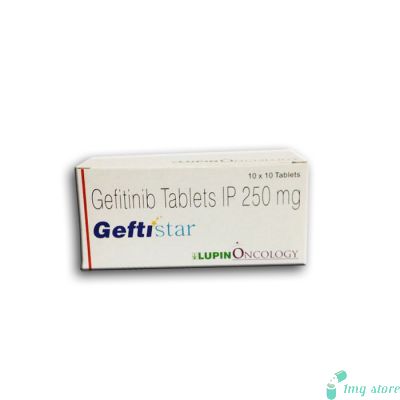
Geftinat Tablet contains Gefitinib, an oral targeted anticancer medication used for the treatment of non-small cell lung cancer (NSCLC), particularly in patients with specific epidermal growth factor receptor (EGFR) mutations. It is designed to inhibit cancer cell growth by selectively blocking signals responsible for tumor cell proliferation and survival.
Mechanism Insights (How It Works)
- EGFR Signal Blockade
Gefitinib selectively inhibits the epidermal growth factor receptor (EGFR) enzyme involved in cancer cell signaling and uncontrolled division. - Suppression of Tumor Growth
By blocking EGFR activity, the drug interferes with pathways that promote cancer cell multiplication and survival. - Induction of Cellular Death
The interruption of growth signals can trigger apoptosis (programmed cell death), reducing tumor progression.
Administration Guidelines
- Take exactly as prescribed by an oncologist
- Swallow the tablet whole with water
- Can be taken with or without food
- Take at the same time each day for consistency
- Do not crush or chew the tablet
- Continue treatment unless advised otherwise by the physician
Clinical Considerations
- Primarily indicated for EGFR mutation-positive NSCLC patients
- Requires molecular testing before initiation
- Regular monitoring may be needed during therapy
- May provide improved outcomes compared to standard chemotherapy in selected patients
- Treatment duration depends on clinical response and tolerability
Precautions:
Geftinat Tablet contains Gefitinib, a targeted anticancer medication used in the treatment of certain types of non-small cell lung cancer (NSCLC). It should be used with caution under strict medical supervision to ensure safe and effective treatment. Regular monitoring is essential, especially in patients with underlying medical conditions.
General Precautions
- Use only as prescribed by an oncologist or healthcare professional
- Take the tablet at the same time each day for consistent effectiveness
- Do not stop or alter the dose without medical advice
- Avoid self-medication or sharing this medicine with others
- Attend regular follow-up appointments for treatment monitoring
Liver Function Considerations
- Gefitinib is processed by the liver
- Use cautiously in patients with existing liver impairment
- Liver function tests may be required during treatment
- Inform your doctor if symptoms like yellowing of the skin, dark urine, or severe fatigue occur
- Treatment may need adjustment if liver abnormalities develop
Pregnancy & Breastfeeding
- Not recommended during pregnancy due to potential harm to the unborn baby
- Effective contraception should be used during treatment and for a period after stopping therapy
- Breastfeeding should be avoided while taking this medicine
- Consult a doctor immediately if pregnancy occurs during treatment
Lung & Respiratory Monitoring
- Serious lung-related side effects may rarely occur
- Report symptoms such as persistent cough, breathing difficulty, or fever immediately
- Patients with existing lung disease require close observation
- Immediate medical attention is needed if breathing problems worsen
Skin & Gastrointestinal Care
- Skin rash, dryness, or acne-like reactions may occur
- Use gentle skincare products and avoid excessive sun exposure
- Diarrhea is common; maintain hydration and inform your doctor if severe
- Seek medical advice if severe mouth sores or dehydration develop
Usage
General Usage Information
Side Effects
General Safety Information
Geftinat Tablet (Gefitinib) is generally well tolerated when used as prescribed under medical supervision. However, side effects may occur as the body adjusts to treatment. Most side effects are mild to moderate and manageable, though some may require medical attention depending on the patient’s condition and duration of therapy.
Common Side Effects
✔ Diarrhea
✔ Skin rash or acne-like eruptions
✔ Dry or itchy skin
✔ Nausea or vomiting
✔ Loss of appetite
✔ Weakness or fatigue
These effects are usually manageable and may improve as treatment continues. Supportive care may be recommended by your healthcare provider.
Serious Side Effects (Rare but Important)
⚠ Seek immediate medical attention if you experience:
- Severe breathing difficulties or persistent cough (possible lung inflammation)
- Signs of liver problems (yellowing of skin/eyes, dark urine)
- Severe or persistent diarrhea causing dehydration
- Vision changes or severe eye irritation
- Severe allergic reactions (rash, swelling, difficulty breathing)
- Unusual weakness or unexplained fever
Risk Factors & Monitoring
- Higher risk in patients with pre-existing lung or liver disorders
- Regular liver function tests may be recommended during treatment
- Close medical monitoring is required for respiratory symptoms
- Dose adjustment may be necessary if severe side effects occur
FAQs
What is Geftinat Tablet used for?
Geftinat Tablet contains Gefitinib and is primarily used to treat certain types of non-small cell lung cancer (NSCLC), especially in patients with specific epidermal growth factor receptor (EGFR) mutations.
How does Geftinat Tablet work in the body?
It works by blocking the activity of the EGFR protein, which helps slow down or stop the growth and spread of cancer cells.
How should I take Geftinat Tablet?
Take it exactly as prescribed by your doctor, usually once daily with or without food. Swallow the tablet whole with water and take it at the same time each day.
Can Geftinat Tablet cause side effects?
Yes, common side effects may include diarrhea, skin rash, dry skin, nausea, and loss of appetite. Contact your doctor if side effects become severe or persistent.
What should I do if I miss a dose?
Take the missed dose as soon as you remember unless it is less than 12 hours before your next scheduled dose. In that case, skip the missed dose and continue your regular schedule. Do not take a double dose.
Interactions
General Interaction Overview
Geftinat Tablet (Gefitinib) may interact with certain medications or substances that affect its absorption, metabolism, or therapeutic effectiveness. These interactions can either reduce the medicine’s anticancer activity or increase the risk of side effects. It is important to inform your healthcare provider about all medicines, supplements, and herbal products you are using before starting treatment.
Commonly Reported Interactions
- Acid-reducing medicines such as proton pump inhibitors (omeprazole) or H2 blockers (ranitidine) may reduce absorption and lower effectiveness
- Strong liver enzyme inducers like rifampicin, phenytoin, or carbamazepine may decrease drug levels and reduce therapeutic benefit
| Manufacturer | : | Natco Pharma, India |
| Equivalent Brand | : | Iressa |
| Generic Search | : | Gefitinib |
Latest Products