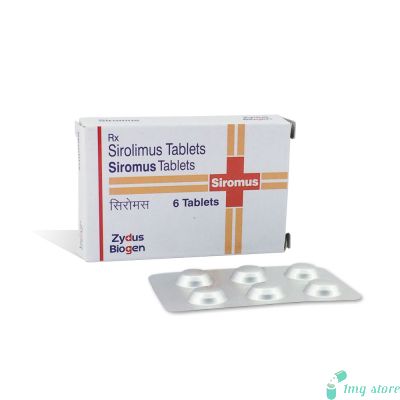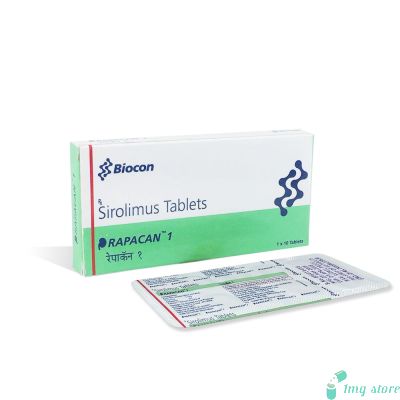
Sirova Tablet (Sirolimus) | For Prevention of Organ Transplant Rejection, Immunosuppressive Therapy in Transplant Patients
Sirova Tablet contains sirolimus, an immunosuppressive medicine mainly used as part of kidney transplant care to help reduce the body's immune response toward the transplanted organ. It may also be used to manage certain cases of lymphangioleiomyomatosis (LAM).


Product Overview
What Is Sirova Tablet?
Sirova Tablet contains sirolimus 1 mg, an immunosuppressive medicine mainly used as part of kidney transplant care. It helps reduce certain immune activity so the body is less likely to react against the transplanted organ.
How Does Sirova Tablet Work?
Sirolimus works by blocking a protein pathway involved in the growth and activity of certain immune cells. By reducing this immune activity, it helps control the body's response following an organ transplant.
Key Product Information
| Product Detail | Information |
| Product Name | Sirova Tablet |
| Active Ingredient | Sirolimus |
| Strength | 1 mg |
| Medicine Type | Immunosuppressive medicine |
| Main Action | Reduces certain immune system activity |
| Main Use | Kidney transplant care |
| Dosage Form | Tablet |
Uses of Sirova Tablet
Sirova Tablet is mainly used to help prevent rejection following a kidney transplant. Sirolimus is also used for the treatment of lymphangioleiomyomatosis (LAM) in appropriate patients.
Kidney Transplant Care
Sirova is commonly included in a transplant treatment plan to help reduce the immune response toward a transplanted kidney. Consistent use and regular monitoring are important during treatment.
Immune System Management
Sirolimus reduces the activity of certain immune cells involved in the body's immune response. This action helps provide ongoing control of immune activity after transplantation.
Lymphangioleiomyomatosis
Sirolimus may also be used for lymphangioleiomyomatosis, a rare condition that can affect the lungs. Its use for this condition depends on the individual's health and treatment plan.
Important Information
Sirova Tablet should be taken consistently according to the recommended treatment schedule. The amount and timing can be important because sirolimus levels are monitored during treatment. Do not change or stop the treatment without professional guidance.
Precaution
Take Sirova Regularly
Take Sirova Tablet exactly as directed and maintain a consistent schedule. Avoid changing the amount or stopping treatment on your own, especially when it is being used as part of transplant care.
Regular Blood Tests
Sirolimus treatment requires regular monitoring. Blood tests may be used to check sirolimus levels, blood cell counts, kidney function, and other important health parameters.
Watch for Infections
Sirova reduces certain immune activity, which can make infections more likely. Inform a healthcare professional if you develop persistent fever, chills, sore throat, or other unusual signs of infection.
Wound Healing
Sirolimus may slow wound healing. Inform your healthcare professional before planned surgery or if a wound becomes unusually slow to heal, opens, or develops redness or drainage.
Kidney and Liver Health
Tell your healthcare professional about any existing kidney or liver problems. Regular monitoring may be recommended during treatment to identify changes early.
Cholesterol and Blood Lipids
Sirova may affect cholesterol and triglyceride levels. Periodic blood tests can help monitor these changes during treatment.
Protect Your Skin
Sirolimus treatment can increase sensitivity to concerns related to prolonged ultraviolet exposure. Limit strong sunlight and use protective clothing and suitable sunscreen when outdoors.
Usage
Take Sirova as Directed
Take Sirova Tablet according to the recommended treatment schedule. Do not change the amount or timing without guidance from the healthcare professional managing your treatment.
Take It Consistently
Try to take Sirova at the same time each day. Consistent use helps maintain stable sirolimus levels in the body.
With or Without Food
Sirova Tablet may be taken with or without food. Choose one routine and follow it consistently, as changes in food intake can affect sirolimus levels.
Swallow the Tablet
Swallow the tablet with water. Do not crush or alter the tablet unless specifically advised.
Regular Monitoring
Sirolimus treatment generally requires regular blood tests. These tests help monitor sirolimus levels and other health parameters during treatment.
Uses
Kidney Transplant Care
Sirova Tablet is mainly used as part of kidney transplant treatment to help reduce the body's immune response toward the transplanted kidney.
Prevention of Organ Rejection
Sirolimus helps control certain immune system activity that can contribute to rejection of a transplanted organ. It is used as part of a planned transplant treatment approach.
Lymphangioleiomyomatosis (LAM)
Sirolimus may also be used to manage lymphangioleiomyomatosis, a rare condition that can affect the lungs. Its use depends on the individual's treatment needs.
Immune System Management
Sirova works by reducing the activity of certain immune cells. This action makes it useful in conditions where controlling specific immune responses is important.
Important Information
The use of Sirova Tablet depends on the condition being treated and the individual's treatment plan. Regular monitoring may be needed during therapy to check sirolimus levels and other health parameters.
Side Effects
Common Effects
Sirova Tablet may cause some unwanted effects while the body adjusts to sirolimus. Commonly reported effects can include headache, abdominal discomfort, diarrhea, nausea, swelling, and tiredness.
Swelling
Swelling of the hands, feet, or other areas may occur during treatment. Inform a healthcare professional if swelling is persistent or becomes troublesome.
Changes in Blood Lipids
Sirolimus may increase cholesterol or triglyceride levels. Regular blood tests can help monitor these changes during treatment.
High Blood Pressure
Some people may experience an increase in blood pressure while using Sirova Tablet. Regular blood pressure checks may be recommended.
Changes in Blood Counts
Sirova may affect blood cell counts, including red blood cells or platelets. Regular blood tests can help identify these changes.
Mouth Sores
Mouth ulcers or soreness can occur during treatment. Maintaining good oral care and reporting persistent mouth problems can be helpful.
FAQs
What is Sirova Tablet used for?
Sirova Tablet is mainly used as part of kidney transplant care to help reduce the body's immune response toward the transplanted organ. It may also be used for certain cases of LAM.
How does Sirova Tablet work?
It contains sirolimus, which reduces the activity of certain immune cells involved in the body's immune response.
Should Sirova Tablet be taken regularly?
Yes. It should be taken according to the recommended schedule because consistent use helps maintain appropriate sirolimus levels.
Can Sirova Tablet be taken with food?
It may be taken with or without food, but try to take it consistently in the same way each time.
Can grapefruit juice be taken with Sirova Tablet?
Grapefruit and grapefruit juice should be avoided because they can increase sirolimus levels in the body.
Does Sirova Tablet require regular tests?
Yes. Regular blood tests may be needed to monitor sirolimus levels, blood counts, kidney function, and other health parameters.
Interactions
Interaction with Cyclosporine
Cyclosporine can increase sirolimus levels in the body. When both medicines are used together, they may need to be taken at a specific time interval as directed.
Interaction with Rifampin and Rifabutin
Rifampin and rifabutin can reduce sirolimus levels by increasing its breakdown. Their combined use may require an alternative medicine or closer monitoring.
Interaction with Antifungal Medicines
Medicines such as ketoconazole, itraconazole, voriconazole, and clarithromycin can increase sirolimus levels. Inform a healthcare professional before using these medicines together.
Interaction with Certain Antibiotics
Some antibiotics, including erythromycin and clarithromycin, can affect how sirolimus is processed in the body and may increase its levels.
Interaction with Blood Pressure Medicines
Certain medicines such as diltiazem, verapamil, and nicardipine may affect sirolimus levels. Monitoring or adjustment may be needed when they are used together.
| Manufacturer | : | Eris Lifesciences Ltd |
| Equivalent Brand | : | Rapamune |
| Generic Search | : | Sirolimus |
Latest Products