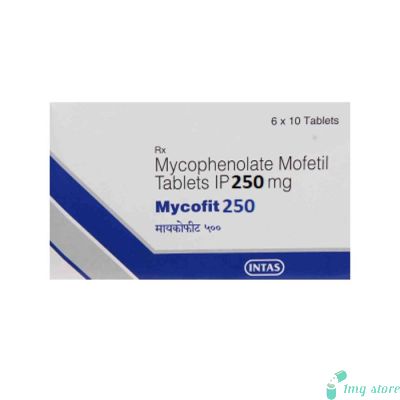
Cellcept (Mycophenolate Mofetil) | Uses for Organ Transplant Care and Immune System Management
Cellcept (Mycophenolate Mofetil) is an immunosuppressive medicine used mainly as part of organ transplant care to help prevent the body from rejecting a transplanted organ. It works by reducing the activity of certain immune cells involved in the body's immune response.


Product overview
What Is Cellcept?
Cellcept contains mycophenolate mofetil, an immunosuppressive medicine mainly used as part of organ transplant care. It helps reduce certain immune system activity that can contribute to rejection of a transplanted organ.
How Does Cellcept Work?
Mycophenolate mofetil is converted in the body to mycophenolic acid. It reduces the production and activity of certain immune cells, helping control the immune response.
Cellcept at a Glance
| Feature | Information |
| Product Name | Cellcept |
| Active Ingredient | Mycophenolate mofetil |
| Medicine Type | Immunosuppressive medicine |
| Main Action | Reduces certain immune system activity |
| Main Use | Organ transplant care |
| Common Transplant Uses | Kidney, heart, and liver transplant care |
| Dosage Form | Tablet |
Uses of Cellcept
Cellcept is mainly used with other medicines as part of kidney, heart, or liver transplant care. Its primary role is to help prevent the body from rejecting the transplanted organ.
Kidney Transplant Care
Cellcept is commonly included in treatment plans following a kidney transplant. It helps reduce immune activity directed toward the transplanted kidney.
Heart and Liver Transplant Care
Mycophenolate mofetil may also be used as part of treatment following heart or liver transplantation. The specific combination and duration depend on the individual treatment plan.
Immune System Management
Cellcept works by reducing the activity of specific immune cells. This targeted action helps maintain appropriate immune control after an organ transplant.
Important Information
Cellcept should be taken consistently according to the recommended treatment schedule. Regular medical monitoring may be needed to assess the body's response and check for changes that can occur during treatment.
Precaution
Follow the Recommended Schedule
Take Cellcept exactly as directed and maintain a consistent schedule. Do not change the amount or timing without professional guidance.
Monitor Blood Cell Counts
Cellcept can affect blood cell levels. Regular blood tests may be recommended to monitor white blood cells, red blood cells, and platelets.
Watch for Infections
Because Cellcept reduces immune system activity, the body may be more susceptible to infections. Inform a healthcare professional about persistent fever, sore throat, cough, or other unusual symptoms.
Pregnancy Precautions
Mycophenolate can cause serious harm to an unborn baby. Pregnancy should be avoided during treatment, and appropriate pregnancy-prevention guidance should be discussed with a healthcare professional.
Sun Exposure
Cellcept may increase sensitivity to sunlight and the risk of certain skin problems with long-term use. Limit excessive sun exposure and use suitable protection.
Digestive Health
Cellcept may cause digestive problems such as diarrhea, stomach discomfort, or vomiting. Persistent or severe symptoms should be discussed with a healthcare professional.
Liver and Kidney Health
Tell your healthcare professional about existing liver or kidney problems. Regular monitoring may be needed depending on your health and treatment plan.
Usage
Take as Recommended
Take Cellcept in the amount and on the schedule recommended by your healthcare professional. Consistent use is important for transplant care.
Follow a Regular Schedule
Try to take each dose at the same times every day. This helps maintain a steady routine during treatment.
Take With or Without Food
Cellcept may be taken with or without food. Follow the same food routine each day unless advised otherwise.
Swallow the Tablet Properly
Swallow the tablet whole with water. Do not crush, chew, or break it unless specifically advised.
Keep Doses Consistent
Avoid skipping doses or making changes to the treatment schedule on your own. Cellcept is commonly part of a long-term transplant-care plan.
Missed Dose
If you miss a dose, follow the instructions provided by your healthcare professional. Do not take an extra dose to make up for a missed one.
Uses
Kidney Transplant Care
Cellcept is commonly used as part of kidney transplant care to help reduce the body's immune response toward the transplanted kidney.
Heart Transplant Care
It may be included in treatment following a heart transplant to help control immune activity and support the transplanted organ.
Liver Transplant Care
Cellcept may also be used after a liver transplant as part of a combination treatment plan to help reduce the chance of organ rejection.
Preventing Organ Rejection
The main use of Cellcept is to help prevent the body's immune system from attacking a transplanted organ.
Immune System Management
Mycophenolate mofetil reduces the activity of certain immune cells, helping control an immune response that could affect a transplanted organ.
Side Effects
Cellcept (Mycophenolate Mofetil) may cause some unwanted effects, although not everyone experiences them. The type and severity of side effects can vary depending on the treatment plan, duration of use, and individual response. Regular follow-up can help identify changes early.
Stomach Discomfort
Some people may experience stomach pain, indigestion, nausea, or general digestive discomfort while taking Cellcept. Taking the medicine consistently as directed may help maintain better treatment tolerance.
Diarrhea
Diarrhea is a commonly reported side effect of mycophenolate mofetil. Persistent or severe diarrhea should be discussed with a healthcare professional because it may affect hydration and overall well-being.
Nausea and Vomiting
Cellcept may cause nausea or vomiting in some people, particularly during the early part of treatment. If these symptoms continue or become troublesome, professional guidance may be helpful.
Headache
Headaches can occur during treatment. Mild headaches may settle with time, but frequent or persistent headaches should be discussed with a healthcare professional.
Dizziness
Some people may feel dizzy or light-headed while using Cellcept. Take appropriate care with activities that require alertness if dizziness occurs.
FAQs
What is Cellcept used for?
Cellcept is mainly used as part of kidney, heart, or liver transplant care to help prevent organ rejection.
How does Cellcept work?
It reduces the activity of certain immune cells involved in the body's immune response.
Can Cellcept be taken with food?
It may be taken with or without food, but keeping the same routine can help maintain consistent treatment.
Can Cellcept affect digestion?
Yes, diarrhea, nausea, vomiting, and stomach discomfort may occur in some people.
Does Cellcept affect blood cells?
It can affect blood cell counts, so regular blood tests may be recommended during treatment.
Can Cellcept increase infection risk?
Yes. Because it reduces immune activity, the body may be more susceptible to certain infections.
Can Cellcept interact with other medicines?
Yes. Several medicines can affect Cellcept absorption or its effects. Share your complete medicine and supplement list with a healthcare professional.
Can Cellcept be stopped suddenly?
Cellcept should not be stopped or changed without guidance, particularly when it is part of a transplant-care plan.
Interaction
Antacids
Some antacids containing magnesium or aluminium may reduce the absorption of mycophenolate. Keep an appropriate gap between these products as advised.
Proton Pump Inhibitors
Medicines that reduce stomach acid, such as omeprazole and pantoprazole, may affect the absorption of mycophenolate in some people.
Cholestyramine
Cholestyramine can reduce the absorption of mycophenolate mofetil and may lower its effect. Tell your healthcare professional if you use it.
Sevelamer
Sevelamer may reduce the absorption of mycophenolate. Timing between these medicines may need to be adjusted.
Certain Antibiotics
Some antibiotics can change the amount of mycophenolate available in the body. Inform your healthcare professional about any antibacterial medicines you are taking.
Cyclosporine
Cyclosporine can affect the levels of mycophenolic acid in the body. Both medicines may require appropriate monitoring when used together.
Tacrolimus
Tacrolimus may be used with mycophenolate as part of transplant care. Your healthcare team may monitor the combination and adjust treatment when needed.
Oral Contraceptives
Mycophenolate may reduce the effectiveness of some oral contraceptives. Discuss suitable pregnancy-prevention options with a healthcare professional.
| Manufacturer | : | Intas Pharmaceuticals Ltd |
| Equivalent Brand | : | Cellcept |
| Generic Search | : | Mycophenolate Mofetil |
Latest Products