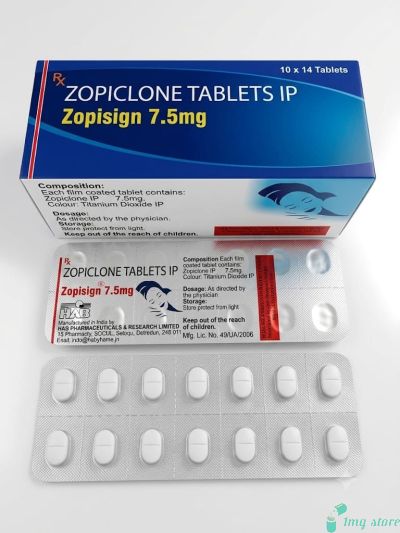
Zop Tablet (Zopiclone): Sedative-Hypnotic Tablet | For Insomnia Relief, Sleep Initiation and Maintenance
Zop Tablets contain zopiclone, a medicine used for the short-term treatment of insomnia. It works by calming activity in the brain, helping people who struggle to fall asleep or stay asleep during the night. Zop Tablets should be taken as prescribed by a healthcare professional, as zopiclone may cause drowsiness, dependence, and reduced alertness the following day.


Product Overview
Zop Tablets contain zopiclone, a medicine used for the short-term management of insomnia (difficulty sleeping). It belongs to a group of medicines called hypnotics, which help promote sleep by calming activity in the brain. It may be prescribed to adults who have difficulty falling asleep, wake up frequently during the night, or experience poor sleep quality. The effects may vary depending on the prescribed dose, individual response, and severity of sleep difficulties. Zop Tablets should be taken only as directed by a healthcare professional.
How Does Zop Tablet Work?
Zop Tablet works by enhancing the effects of gamma-aminobutyric acid (GABA), a chemical messenger that helps calm nerve activity in the brain. This action reduces excessive brain activity and promotes relaxation, helping the person fall asleep more easily. It may also help reduce nighttime awakenings and improve sleep duration. Zopiclone generally begins to work within about an hour, although the timing may vary.
Understanding Its Role in the Body
Zopiclone acts on GABA-A receptors in the brain, which are involved in regulating nerve activity and relaxation. By enhancing the calming effects of GABA, it helps the brain transition into sleep. Unlike melatonin, which helps regulate the body's internal sleep-wake clock, zopiclone acts primarily as a sleep-promoting medicine. It is generally prescribed for short-term use because continued use may lead to tolerance, dependence, or withdrawal symptoms.
Key Uses of Zop Tablet
- Difficulty falling asleep: Helps manage problems with getting to sleep.
- Frequent nighttime awakenings: May help reduce interruptions during sleep.
- Short-term insomnia management: May be prescribed when sleep difficulties significantly affect daily activities.
- Poor sleep duration: May help people with insomnia achieve longer periods of sleep.
Clinical Considerations
Before prescribing Zop Tablet, a healthcare professional may assess the severity and duration of sleep problems, possible underlying causes, medical history, and other medicines being taken. Conditions such as anxiety, chronic pain, sleep apnoea, or other medical problems may contribute to insomnia and may require separate assessment. The medicine is generally intended for short-term use, alongside appropriate sleep habits.
Also, some people may experience impaired coordination, memory problems, or unusual sleep behaviours, such as sleepwalking. Avoid alcohol and do not combine it with opioids or other sedating medicines unless specifically directed by a healthcare professional. Take the tablet immediately before bedtime when you can allow a full night for sleep, and avoid driving if you feel drowsy or less alert. Prolonged use may cause dependence, so follow the prescribed duration and seek medical advice before stopping after regular use.
Note: Zop Tablet should be used only under medical supervision and for the prescribed duration. If sleep difficulties continue despite treatment, consult your healthcare professional to identify possible underlying causes and discuss appropriate alternatives.
Precautions
Zop Tablets contain zopiclone, a medicine used for the short-term treatment of insomnia. It helps promote sleep but may cause drowsiness, impaired coordination, and dependence. Understanding the precautions can help support safer use under medical supervision.
Before You Start
Consult your healthcare professional: Discuss your sleep problems and whether zopiclone is suitable for you.
Share your medical history: Inform your healthcare professional if you have breathing problems, sleep apnoea, liver disease, or a history of substance dependence.
Mention other medicines: Report any medicines you take, especially sedatives, opioid painkillers, and other sleep aids.
Discuss pregnancy or breastfeeding: Seek medical advice before using zopiclone in these circumstances.
While Using It
Follow the prescribed dose: Take Zop Tablet exactly as directed. Do not take extra doses.
Allow enough time for sleep: Take it immediately before bedtime only when you can allow a full night's sleep, generally 7–8 hours.
Avoid alcohol: Alcohol can increase sedation and the risk of serious side effects.
Be careful with driving: Zopiclone may affect alertness, coordination, and reaction time the following day.
Watch for dependence: Use it for the shortest duration prescribed, as continued use can lead to tolerance and dependence.
Do not stop suddenly after regular use: Consult your healthcare professional about reducing the dose safely, as withdrawal symptoms may occur.
When to Seek Medical Help
Persistent side effects: Seek advice if dizziness, confusion, or daytime drowsiness continues.
Breathing difficulties: Get emergency medical help for slow or difficult breathing.
Unusual sleep behaviours: Contact your healthcare professional if you experience sleepwalking or other activities while not fully awake.
Excessive intake: Seek urgent medical assistance if you take more than prescribed, particularly if you develop severe drowsiness or confusion.
Note:
Zop Tablets should be used only as prescribed for short-term insomnia management. Avoid alcohol and other sedatives unless specifically approved by your healthcare professional. Do not increase the dose or extend treatment without medical advice.
Usage
Follow medical advice: Take Zop Tablets according to your healthcare professional's instructions.
Take the prescribed dose: Do not increase the dose or take extra tablets without medical advice.
Take it before bedtime: Zopiclone is generally taken shortly before going to bed when you can allow a full night's sleep.
Missed a dose? If you have missed your bedtime dose, do not take it later or double the next dose. Follow your prescription instructions.
Avoid alcohol: Alcohol can increase drowsiness and other side effects.
Be cautious with other medicines: Inform your healthcare professional about sleeping pills, sedatives, opioid pain medicines, and other medicines you take.
Avoid driving if impaired: Zopiclone may cause next-day drowsiness and reduced alertness.
Follow the treatment duration: Use it for the prescribed period, as prolonged use may lead to dependence.
Uses
Zop Tablets contain zopiclone, a sedative-hypnotic medicine used for the short-term treatment of insomnia. It acts on the central nervous system to help promote sleep.
Difficulty falling asleep: May help people who take a long time to fall asleep.
Night-time awakenings: May help reduce waking during the night in people with insomnia.
Poor sleep quality: May help improve sleep quality when prescribed for appropriate sleep difficulties.
Short-term insomnia management: Helps manage temporary or severe sleep difficulties under medical supervision.
Sleep maintenance: May help some people stay asleep for longer, depending on their symptoms and response to treatment.
Note: Zopiclone may cause a bitter or metallic taste, dry mouth, dizziness, and daytime drowsiness. Avoid alcohol and do not combine it with other sedatives unless advised by your healthcare professional. It can cause dependence, so use it only for the prescribed duration.
Side Effects
Zop Tablets contain zopiclone, a medicine used for the short-term treatment of insomnia (difficulty sleeping). Like other medicines, it may cause side effects in some people. These effects can vary depending on the prescribed dose, duration of use, and individual response.
Common Side Effects
Bitter or metallic taste: You may notice an unpleasant taste in your mouth.
Drowsiness: You may feel sleepy or less alert the following day.
Dry mouth: Your mouth may feel unusually dry.
Dizziness: You may feel lightheaded, especially when standing up.
Headache: Some people may experience headaches during treatment.
Memory problems: You may have difficulty remembering events after taking the medicine.
Serious Side Effects
Severe allergic reaction: Swelling of the face, lips, tongue, or throat, or difficulty breathing, requires emergency medical attention.
Unusual behaviour: Confusion, agitation, hallucinations, or unusual mood changes require prompt medical advice.
Sleep-related activities: Walking, driving, or performing other activities while not fully awake requires immediate medical assessment.
Breathing difficulties: Slow or difficult breathing requires urgent medical attention.
Dependence: Prolonged use may lead to physical dependence and withdrawal symptoms when stopped suddenly.
Note: Take Zop Tablets exactly as prescribed, immediately before bedtime, when you can allow a full night for sleep. Avoid alcohol and do not drive or operate machinery if you feel drowsy. Do not combine it with other sedating medicines unless advised by your healthcare professional. Seek urgent medical help for severe breathing difficulties or a serious allergic reaction.
FAQs
1. What are Zop Tablets used for?
Zop Tablets contain zopiclone, a medicine prescribed for the short-term treatment of insomnia, including difficulty falling asleep or staying asleep.
2. How do Zop Tablets work?
Zopiclone acts on GABA receptors in the brain, enhancing calming signals that help reduce brain activity and promote sleep.
3. How should Zop Tablets be taken?
Take Zop Tablets exactly as prescribed by your healthcare professional, usually immediately before bedtime. Do not take extra doses.
4. What are the common side effects of Zop Tablets?
Common side effects may include a bitter or metallic taste, dry mouth, dizziness, and daytime drowsiness.
5. How quickly do Zop Tablets work?
Zopiclone generally starts working relatively quickly. Take it only when you can allow a full night's sleep, as directed by your healthcare professional.
6. Can Zop Tablets cause dependence?
Yes. Regular or prolonged use can lead to dependence and tolerance. Use zopiclone for the shortest period prescribed.
7. Can I drink alcohol while taking Zop Tablets?
No. Alcohol can increase the sedative effects of zopiclone and raise the risk of excessive drowsiness and other serious side effects.
8. Can I drive after taking Zop Tablets?
Zopiclone may affect alertness, coordination, and reaction time the following day. Do not drive if you feel sleepy or impaired.
9. Can I stop taking Zop Tablets suddenly?
After regular use, suddenly stopping zopiclone may cause rebound insomnia or withdrawal symptoms. Consult your healthcare professional about stopping safely.
10. What should I do if I miss a dose of Zop Tablets?
If you miss your bedtime dose, skip it rather than taking it later or doubling the next dose. Follow your healthcare professional's instructions.
Interactions
Zop Tablets contain zopiclone, a sleeping medicine used for the short-term management of insomnia. When taken with certain medicines, they may increase drowsiness, affect alertness, or cause other side effects. Inform your healthcare professional about all medicines and supplements you take before starting Zop Tablets.
1. Alcohol
Alcohol may increase the sedative effects of zopiclone, causing excessive drowsiness and impaired coordination.
Avoid alcohol while taking this medicine.
2. Other Sleeping Pills and Sedatives
Medicines such as benzodiazepines and other sleeping tablets may increase sedation when combined with zopiclone.
Use these medicines together only under medical supervision.
3. Opioid Painkillers
Medicines such as morphine, codeine, and tramadol may increase the risk of severe drowsiness and breathing difficulties.
Inform your healthcare professional if you use opioid painkillers.
4. Antidepressants and Antipsychotics
Some medicines used for depression or other mental health conditions may increase drowsiness and reduce alertness.
Your healthcare professional may need to review your medicines before prescribing Zop Tablets.
5. Certain Antibiotics and Antifungal Medicines
Medicines such as clarithromycin, erythromycin, and ketoconazole may increase zopiclone levels in the body.
These combinations may increase side effects and require medical guidance.
6. Medicines for Epilepsy and Anxiety
Certain medicines used to manage seizures or anxiety may increase sedation when taken with zopiclone.
Tell your healthcare professional about these treatments before use.
Tips to Avoid Interactions
Inform your healthcare professional about all prescription medicines, over-the-counter products, and supplements you take.
Avoid alcohol and do not combine Zop Tablets with other sedatives unless specifically advised.
Take the medicine only as prescribed and avoid driving if you feel sleepy or less alert.
Do not stop regular medicines or change their doses without medical advice.
Note: Consult your healthcare professional before combining Zop Tablets with other medicines, especially sleeping pills, opioids, sedatives, or certain antibiotics and antifungals. The risk of interactions depends on the medicines used, their doses, and your health condition.
| Manufacturer | : | HAB Pharmaceuticals & Research Ltd. |
| Equivalent Brand | : | Lunesta |
| Generic Search | : | Zopiclone |
Latest Products