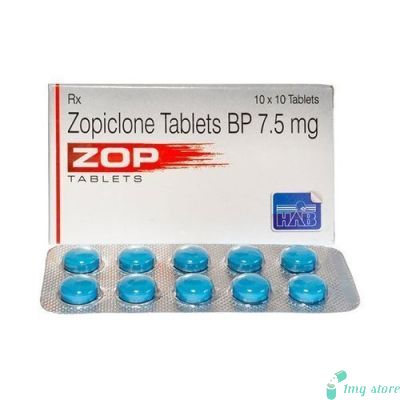
Zopisign (Zopiclone): Sedative-Hypnotic Tablet | For Insomnia, Sleep Disorders & Short-Term Sleep Management
Zopisign Tablet contains zopiclone, a medicine used for the short-term management of insomnia (difficulty sleeping). It works by acting on the brain to help you fall asleep more easily and improve sleep duration. It should be taken only as prescribed by a healthcare professional, as it may cause drowsiness and can lead to dependence with prolonged use.


Product Overview
Zopisign Tablet contains zopiclone, a medicine used for the short-term management of insomnia (difficulty sleeping). It belongs to a group of medicines known as hypnotics, which help promote sleep by calming activity in the brain. It may be prescribed to people who have difficulty falling asleep, wake up frequently during the night, or struggle to get enough restful sleep. The effects can vary depending on the prescribed dose and individual response.
How Does Zopisign Tablet Work?
Zopisign Tablet works by enhancing the effects of gamma-aminobutyric acid (GABA), a chemical messenger that helps calm nerve activity in the brain. This action reduces excessive brain activity and promotes relaxation, making it easier to fall asleep. It may also help reduce nighttime awakenings and improve sleep duration in people with insomnia.
Understanding Its Role in the Body
Zopiclone acts on GABA-A receptors in the brain, which are involved in regulating nerve activity and relaxation. By strengthening GABA's calming effects, it helps the brain transition into sleep. Its effects may begin relatively quickly after taking a dose, which is why it is generally taken immediately before bedtime. The duration of its effects can vary from person to person.
Key Uses of Zopisign Tablet
- Difficulty falling asleep: Helps manage problems with getting to sleep.
- Frequent nighttime awakenings: May help reduce interruptions during sleep.
- Short-term insomnia management: May be prescribed when sleep difficulties significantly affect daily activities.
- Poor sleep duration: May help people with insomnia achieve longer periods of sleep.
Who May Be Prescribed Zopisign Tablet?
A healthcare professional may prescribe Zopisign to adults experiencing significant sleep difficulties that require short-term medical treatment. The decision depends on the nature of the sleep problem, medical history, other medicines being taken, and the potential risks of treatment. It is not suitable for everyone, particularly people with certain breathing conditions or a history of medication dependence.
How Long Does Zopisign Tablet Take to Work?
Zopiclone generally begins to work within about an hour, although the timing can vary. It should be taken immediately before bedtime when you can allow a full night for sleep. Do not take an additional dose if you feel it has not worked quickly enough, as this may increase the risk of side effects.
Possible Side Effects
Zopisign Tablet may cause a bitter or metallic taste, dry mouth, dizziness, headache, or drowsiness the following day. Some people may also experience impaired coordination, memory problems, or confusion. Unusual sleep behaviours, such as sleepwalking or performing activities while not fully awake, require prompt medical advice. Seek emergency help for severe breathing difficulties or a serious allergic reaction.
Important Safety Information
Zopisign Tablet is generally intended for short-term use because prolonged use may lead to tolerance and physical dependence. Avoid alcohol, and do not combine it with opioids or other sedating medicines unless specifically directed by a healthcare professional. Do not drive or operate machinery if you feel drowsy or less alert. Take it only as prescribed and consult your healthcare professional before stopping it after regular use.
Lifestyle Measures to Support Better Sleep
Alongside medical treatment, healthy sleep habits may help improve sleep quality. Try to maintain a regular bedtime, limit caffeine in the evening, reduce screen use before bed, and keep your bedroom quiet and comfortable. If sleep difficulties continue, consult your healthcare professional to identify possible underlying causes.
Note: Zopisign Tablet should be used only under medical supervision and for the prescribed duration. It is not intended to replace healthy sleep habits or the assessment of underlying sleep problems. Consult your healthcare professional if your symptoms persist or you experience unexpected side effects.
Precautions
Zopisign Tablet contains zopiclone, a medicine used for the short-term management of insomnia. Before taking this medicine, understand its possible side effects, interactions, and correct use. Follow your healthcare professional's instructions to help reduce risks.
Before You Start
Consult your healthcare professional. Confirm that Zopisign is suitable for your sleep problems.
Discuss your medical history. Inform your healthcare professional if you have breathing problems, liver disease, or a history of alcohol or drug dependence.
Mention other medicines. Tell your healthcare professional about all medicines you take, especially sleeping pills, sedatives, opioid painkillers, and certain antibiotics.
Discuss pregnancy or breastfeeding. Seek medical advice before using Zopisign if you are pregnant or breastfeeding.
Avoid alcohol. Alcohol can increase the sedative effects of zopiclone and may cause serious breathing problems.
While Using It
Follow the prescribed dose. Take Zopisign exactly as directed and only for the recommended duration.
Take it at bedtime. Use it when you are ready to sleep and can allow a full night of uninterrupted rest.
Avoid driving if drowsy. Do not drive or operate machinery if your alertness or coordination is affected.
Do not combine sedatives yourself. Avoid taking other sleeping medicines or calming medicines unless your healthcare professional advises you to do so.
Watch for side effects. Dizziness, dry mouth, a bitter taste, and next-day drowsiness may occur.
Avoid prolonged use. Regular use can lead to dependence. Consult your healthcare professional before stopping after continued use.
When to Seek Medical Help
Breathing difficulties: Seek emergency medical help if you experience slow or difficult breathing.
Severe allergic reaction: Swelling of the face, lips, tongue, or throat requires immediate medical attention.
Unusual sleep behaviours: Contact your healthcare professional promptly if you sleepwalk, sleep-drive, or perform activities while not fully awake.
Severe confusion: Seek medical advice if you experience significant confusion, memory problems, or unusual behaviour.
Excessive drowsiness: Get urgent medical help if you are extremely sleepy or difficult to wake.
Note: Take Zopisign only as prescribed and avoid alcohol during treatment. Do not exceed the recommended dose or use it longer than advised. Consult your healthcare professional if side effects persist, sleep problems continue, or you have concerns about dependence.
Usage
Follow medical advice: Take Zopisign Tablet exactly as prescribed by your healthcare professional.
Take it at bedtime: Take the tablet immediately before going to sleep when you can allow a full night of rest.
Follow the prescribed dose: Do not take more than the recommended dose or use it for longer than advised.
Missed a dose? If you miss your bedtime dose, skip it rather than taking it later if you cannot get a full night's sleep. Do not double the next dose.
Avoid alcohol: Alcohol can increase drowsiness and the risk of serious side effects.
Check other medicines: Inform your healthcare professional about other sleeping pills, sedatives, opioid painkillers, and supplements you take.
Be careful the next day: Avoid driving or operating machinery if you feel sleepy, dizzy, or less alert.
Avoid prolonged use: Use Zopisign for the prescribed duration because continued use may lead to dependence.
Uses
Zopisign Tablet contains zopiclone, a sleeping medicine used for the short-term management of insomnia. It acts on the brain to promote relaxation and help improve sleep.
Insomnia management: Helps people who have difficulty falling asleep.
Improved sleep duration: May help reduce nighttime awakenings and support longer sleep.
Better sleep continuity: Helps maintain sleep throughout the night in people with insomnia.
Short-term sleep support: May be prescribed when sleep difficulties significantly affect daily life.
Note: Use Zopisign Tablet only as prescribed. Common side effects include a bitter or metallic taste, dry mouth, dizziness, and next-day drowsiness. Avoid alcohol and do not combine it with other sedating medicines unless advised by your healthcare professional. Seek medical advice if sleep problems continue or side effects persist.
Side Effects
Zopisign Capsules contain zopiclone, a sleeping medicine used for the short-term management of insomnia. It helps people fall asleep and may reduce nighttime awakenings. Like other medicines, it may cause side effects, depending on the prescribed dose and individual response.
Common Side Effects
Bitter or metallic taste: You may notice an unpleasant taste in your mouth.
Drowsiness: You may feel sleepy or tired the following day.
Dizziness: Some people may feel lightheaded, especially when standing up.
Dry mouth: Your mouth may feel unusually dry.
Headache: Mild headaches may occur during treatment.
Reduced alertness: You may experience difficulty concentrating or slower reactions.
Serious Side Effects
Allergic reaction: Swelling of the face, lips, tongue, or throat, or difficulty breathing, requires emergency medical attention.
Memory problems: You may experience unusual memory loss or confusion.
Unusual sleep behaviours: Sleepwalking, sleep-driving, or performing activities while not fully awake may occur.
Mood or behaviour changes: Unusual agitation, aggression, or hallucinations require prompt medical attention.
Breathing difficulties: Slow or difficult breathing requires urgent medical help, particularly if combined with alcohol or other sedating medicines.
Dependence and withdrawal: Prolonged use may lead to dependence, and suddenly stopping after regular use may cause withdrawal symptoms.
Note: Take Zopisign Capsules only as prescribed, immediately before bedtime, when you can allow a full night for sleep. Avoid alcohol and do not drive or operate machinery if you feel drowsy. Seek medical advice if side effects persist or worsen, and get emergency help for severe breathing difficulties or a serious allergic reaction.
FAQs
1. What is Zopisign Tablet used for?
Zopisign Tablet contains zopiclone, a medicine used for the short-term management of insomnia. It helps people fall asleep more easily and may improve sleep duration.
2. How does Zopisign Tablet work?
Zopiclone acts on the brain to enhance the effects of a calming chemical called GABA, helping relax the brain and promote sleep.
3. How should Zopisign Tablet be taken?
Take Zopisign exactly as prescribed by your healthcare professional, usually immediately before bedtime. Allow enough time for a full night's sleep.
4. What are the common side effects of Zopisign Tablet?
Common side effects include a bitter or metallic taste, dry mouth, dizziness, headache, and drowsiness the following day.
5. Can Zopisign Tablet cause dependence?
Yes. Prolonged use may lead to dependence. Use it only for the prescribed duration and consult your healthcare professional before stopping it after regular use.
6. Can I drink alcohol while taking Zopisign Tablet?
No. Alcohol can increase the sedative effects of zopiclone and raise the risk of excessive drowsiness and breathing difficulties.
7. Can I drive after taking Zopisign Tablet?
Do not drive or operate machinery if you feel sleepy, dizzy, or less alert. Take it only when you can allow a full night for sleep.
8. Can Zopisign Tablet be taken with other medicines?
Some medicines, including sedatives, opioid painkillers, and certain antibiotics or antifungals, may interact with zopiclone. Inform your healthcare professional about all medicines you take.
9. Who should consult a doctor before taking Zopisign Tablet?
People with breathing problems, liver disease, a history of substance dependence, or other significant health conditions should consult a healthcare professional before using it.
10. What should I do if I experience serious side effects?
Seek urgent medical help if you experience severe breathing difficulties, a serious allergic reaction, or extreme drowsiness. Contact your healthcare professional if side effects persist or worsen.
Interactions
Zopisign Tablet contains zopiclone, a medicine used for the short-term management of insomnia. When taken with certain medicines or substances, it may increase drowsiness or cause other side effects. Inform your healthcare professional about all medicines and supplements you take before starting treatment.
1. Alcohol
Drinking alcohol with Zopisign may increase drowsiness, dizziness, and the risk of breathing problems.
Avoid alcohol while taking this medicine.
2. Other Sleeping Pills and Sedatives
Medicines such as sleeping tablets, tranquilizers, and sedatives may increase the effects of zopiclone.
Taking them together may cause excessive sleepiness and reduced alertness.
3. Opioid Pain Medicines
Medicines such as morphine, codeine, and tramadol may increase the risk of severe drowsiness and breathing difficulties when combined with Zopisign.
Use this combination only under close medical supervision.
4. Antidepressants and Other Medicines Affecting the Brain
Some antidepressants and medicines used for anxiety may increase drowsiness when taken with Zopisign.
Your healthcare professional may need to adjust your treatment.
5. Certain Antibiotics and Antifungal Medicines
Medicines such as clarithromycin, erythromycin, and ketoconazole may increase the amount of zopiclone in the body.
This may increase side effects and excessive sedation.
6. Medicines for Epilepsy
Some medicines used to treat epilepsy may affect how zopiclone works.
Inform your healthcare professional if you take medicines for seizures.
Tips to Avoid Interactions
Tell your healthcare professional about all prescription medicines, over-the-counter products, and supplements you use.
Avoid alcohol while taking Zopisign.
Do not combine it with other sleeping pills or sedatives unless advised by your healthcare professional.
Do not drive or operate machinery if you feel sleepy or less alert.
Note: Take Zopisign only as prescribed. Combining it with certain medicines can cause excessive sedation or serious breathing problems. Seek medical advice before starting or stopping any medicine during treatment.
| Manufacturer | : | HAB Pharmaceuticals & Research Ltd. |
| Equivalent Brand | : | Lunesta |
| Generic Search | : | Zopiclone |
Latest Products