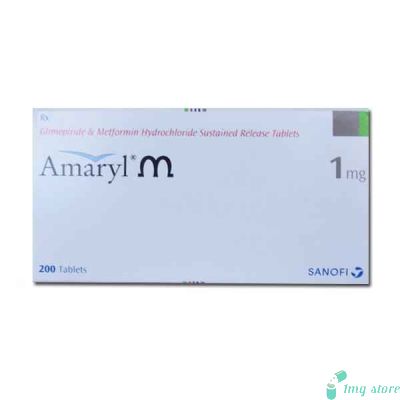
Amaryl Tablet (Glimepiride) | For Type 2 Diabetes Management, Blood Sugar Control
Amaryl Tablet contains glimepiride as its active ingredient. It is used to help manage blood glucose levels in adults with type 2 diabetes by stimulating insulin release from the pancreas. It is generally used alongside a balanced diet and regular physical activity.


Product Overview
What Is Amaryl Tablet?
Amaryl Tablet is an oral medicine containing glimepiride as its active ingredient. It is used to help manage blood glucose levels in adults with type 2 diabetes when diet and physical activity alone do not provide sufficient control. The available strengths vary by product variant.
Composition of Amaryl Tablet
Active ingredient: Glimepiride
Glimepiride belongs to a group of medicines called sulfonylureas. It helps the pancreas release insulin, which supports the regulation of blood glucose levels.
Amaryl tablets are available in different strengths, including 1 mg, 2 mg, and 4 mg in some markets. Check the product packaging to confirm the exact strength.
How Does Amaryl Tablet Work?
Amaryl Tablet works by stimulating insulin release from the pancreas. Insulin helps move glucose from the bloodstream into body cells, where it can be used for energy. This action helps lower elevated blood glucose levels in people with type 2 diabetes.
Role in Diabetes Management
Amaryl Tablet is used as part of a broader diabetes management plan. It may be taken alone or alongside other diabetes medicines when appropriate. A balanced diet, regular physical activity, and routine blood glucose monitoring remain important parts of ongoing management.
General Product Information
| Feature | Details |
| Product name | Amaryl Tablet |
| Active ingredient | Glimepiride |
| Medicine class | Sulfonylurea |
| Dosage form | Oral tablet |
| Available strengths | Vary by market and product variant |
| Main role | Blood glucose management in type 2 diabetes |
How to Take Amaryl Tablet
Take Amaryl Tablet according to your healthcare professional’s instructions. It is generally taken with breakfast or the first main meal of the day. Take it consistently as directed and maintain regular meal times, as glimepiride can cause blood glucose levels to drop too low. Do not change the dose independently.
Precaution
Amaryl Tablet contains glimepiride, which helps manage blood glucose levels in adults with type 2 diabetes. Follow these precautions to support safe and effective use.
1. Follow the Recommended Dose
Take Amaryl Tablet according to your healthcare professional’s instructions. Do not change the dose or stop taking it independently.
2. Take With Food
Amaryl is generally taken with breakfast or the first main meal of the day, as directed. Maintain a consistent daily routine.
3. Avoid Skipping Meals
Skipping or delaying meals can cause blood glucose levels to drop too low while taking glimepiride. Eat regular meals and follow your recommended eating plan.
4. Monitor Blood Glucose
Check your blood glucose levels as advised. Regular monitoring helps track your response to treatment and identify unusual changes.
5. Discuss Kidney Problems
Inform your healthcare professional about any kidney-related conditions, as they may increase the risk of low blood sugar and affect dose selection.
6. Inform About Liver Conditions
Discuss any liver-related problems before starting Amaryl Tablet, as they may affect the suitability of this medicine.
Usage
Amaryl Tablet contains glimepiride, an oral medicine used to help manage blood glucose levels in adults with type 2 diabetes. Follow your healthcare professional’s instructions for the correct dose and timing.
1. Follow the Recommended Dose
Take Amaryl Tablet in the dose recommended by your healthcare professional. Do not increase, reduce, or stop the dose independently.
2. Take With Breakfast or a Main Meal
Amaryl Tablet is generally taken shortly before or with breakfast or the first main meal of the day. Follow the instructions provided for your specific product.
3. Swallow With Water
Swallow the tablet with water. Follow the product instructions for handling the tablet.
4. Maintain Regular Meal Times
Avoid skipping or delaying meals while taking Amaryl, as glimepiride may cause blood glucose levels to fall too low.
Uses
Amaryl Tablet contains glimepiride, an oral medicine used to help manage blood glucose levels in adults with type 2 diabetes. It works alongside a balanced diet and regular physical activity.
1. Management of Type 2 Diabetes
Amaryl Tablet helps control elevated blood glucose levels in adults with type 2 diabetes when used as part of an appropriate treatment plan.
2. Supports Insulin Release
Glimepiride stimulates the pancreas to release insulin, helping the body regulate blood glucose levels.
3. Helps Lower Blood Sugar
By supporting insulin release, Amaryl Tablet helps reduce elevated blood glucose levels and maintain better glucose control.
4. Supports Ongoing Diabetes Management
When taken as directed, Amaryl Tablet can help maintain blood glucose control alongside regular monitoring and healthy daily habits.
Side Effects
Amaryl Tablet contains glimepiride, a medicine used to help manage blood glucose levels in adults with type 2 diabetes. Like other medicines, it may cause unwanted effects, although not everyone experiences them.
1. Low Blood Sugar
Low blood sugar (hypoglycaemia) is one of the most important side effects of Amaryl Tablet. It may occur if meals are skipped, physical activity increases unexpectedly, or other glucose-lowering medicines are used.
Common symptoms include:
Sweating or shakiness
Dizziness or headache
Sudden hunger
Weakness or confusion
Rapid heartbeat
Check your blood glucose if possible and follow your recommended plan for treating low blood sugar. Severe confusion, seizures, or loss of consciousness require emergency medical assistance.
2. Headache and Dizziness
Some people may experience headaches or dizziness while taking Amaryl Tablet. These symptoms can sometimes be associated with changes in blood glucose levels. Seek advice if they persist.
3. Nausea and Stomach Discomfort
Nausea, abdominal discomfort, or other digestive symptoms may occur in some people. Contact a healthcare professional if these symptoms continue or become troublesome.
4. Weight Gain
Some people may experience weight gain during treatment with glimepiride. Balanced meals, regular physical activity, and routine monitoring can help support overall diabetes management.
5. Skin Reactions
Skin itching, redness, or a rash may occur in some people. Seek medical advice if a new skin reaction develops. Swelling of the face or throat, or difficulty breathing, requires emergency medical assistance.
FAQs
1. What is Amaryl Tablet used for?
Amaryl Tablet is used to help manage blood glucose levels in adults with type 2 diabetes alongside a balanced diet and regular physical activity.
2. What is the active ingredient in Amaryl Tablet?
Amaryl Tablet contains glimepiride, a medicine that helps the pancreas release insulin.
3. How does Amaryl Tablet work?
It stimulates insulin release from the pancreas, helping the body regulate blood glucose levels.
4. When should Amaryl Tablet be taken?
It is generally taken with breakfast or the first main meal of the day, according to healthcare professional instructions.
5. Can Amaryl Tablet cause low blood sugar?
Yes. Glimepiride can lower blood sugar excessively, particularly when meals are skipped or delayed.
6. Can Amaryl Tablet be taken on an empty stomach?
It is generally recommended with food. Follow the instructions provided by your healthcare professional.
7. What should I do if I miss a dose?
Follow your healthcare professional’s guidance. Do not take a double dose to compensate for a missed tablet.
8. Can Amaryl Tablet be used for type 1 diabetes?
No. Amaryl is intended for type 2 diabetes management and does not replace insulin in type 1 diabetes.
9. Does Amaryl Tablet replace diet and exercise?
No. It works alongside balanced meals, regular physical activity, and routine blood glucose monitoring.
Interactions
Amaryl Tablet contains glimepiride, which helps manage blood glucose levels in adults with type 2 diabetes. Certain medicines and substances may change its glucose-lowering effect or increase the risk of unwanted effects.
1. Other Diabetes Medicines
Using Amaryl with insulin or other diabetes medicines may lower blood glucose excessively. Regular monitoring and professional guidance are important.
2. Antibiotics
Certain antibiotics, including clarithromycin and tetracyclines, may increase the glucose-lowering effect of glimepiride and raise the risk of low blood sugar.
3. Antifungal Medicines
Medicines such as fluconazole may increase glimepiride levels in the body, potentially increasing the risk of low blood sugar.
4. Blood Pressure Medicines
Some blood pressure medicines, including ACE inhibitors, may enhance the glucose-lowering effect of glimepiride in certain people.
5. Pain-Relief Medicines
Certain anti-inflammatory medicines and salicylates may affect blood glucose levels when taken with Amaryl. Ask a healthcare professional before combining them.
6. Steroids
Corticosteroids, such as prednisolone, may increase blood glucose levels and make diabetes management more difficult.
7. Cholesterol-Lowering Medicines
Colesevelam may reduce glimepiride absorption. The medicines may need to be taken at different times according to product instructions and professional advice.
8. Alcohol
Alcohol may increase the risk of low blood sugar and make glucose levels less predictable. Discuss alcohol consumption with your healthcare professional.
| Manufacturer | : | Sanofi India Ltd. |
| Equivalent Brand | : | Amaryl |
| Generic Search | : | Glimepiride |
Latest Products