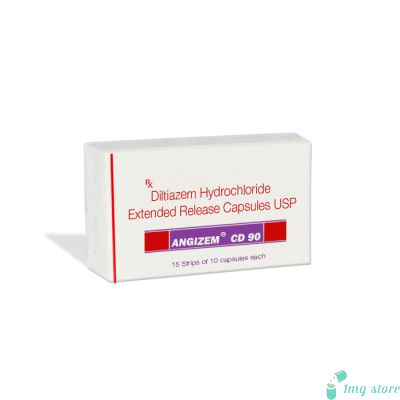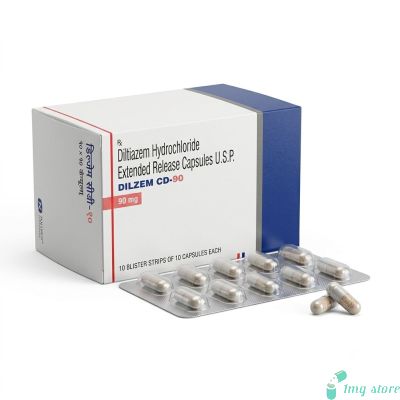
Angizem Tablet (Diltiazem) | Used for High Blood Pressure, Angina & Certain Heart Rhythm Conditions
Angizem Tablet contains Diltiazem, a calcium-channel blocker used to manage high blood pressure and angina (chest pain). Depending on the formulation and prescription, diltiazem may also be used to help control certain abnormal heart rhythms.


Product Overview
Angizem Tablet contains Diltiazem, a medicine belonging to the calcium-channel blocker group. It works by reducing the movement of calcium into certain heart and blood-vessel cells. This helps relax blood vessels and can reduce the workload on the heart. Diltiazem also affects electrical activity and conduction through the heart, which is why certain formulations may be used for managing specific heart-rate or rhythm problems.
Diltiazem is commonly used for the management of high blood pressure and angina. Some formulations are also prescribed for certain abnormal heart rhythms. The exact use depends on the strength and formulation of the product and the condition being treated.
For angina, diltiazem can help improve blood flow to the heart and reduce the amount of work required from the heart. Regular treatment may help control angina symptoms, but it is not intended to immediately stop an episode of chest pain once it has started. A healthcare professional may recommend a separate medicine for acute angina attacks when appropriate.
Key Product Information
| Product Information | Details |
| Product Name | Angizem Tablet |
| Active Ingredient | Diltiazem |
| Medicine Type | Calcium-Channel Blocker |
| Drug Class | Calcium Ion Influx Inhibitor |
| Dosage Form | Tablet |
| Route of Administration | Oral |
| Primary Uses | High blood pressure and angina |
| Other Use | Certain abnormal heart rhythms, depending on formulation and prescription |
| Main Action | Relaxes blood vessels and affects calcium movement in cardiac cells |
| Administration | As directed by a healthcare professional |
Monitoring | Blood pressure, heart rate, and response to treatment may require monitoring |
How Angizem Tablet Works
Diltiazem reduces the movement of calcium ions into vascular smooth muscle and heart muscle cells. This causes relaxation of blood vessels and can reduce the resistance against which the heart pumps. It also slows conduction through the atrioventricular node and can reduce heart rate in certain situations.
By relaxing blood vessels and improving the balance between the heart's oxygen supply and demand, diltiazem can help manage angina. Its effects on cardiac conduction may also be useful in selected heart-rhythm conditions.
Precaution
Before Taking Angizem Tablet
Tell your healthcare professional if you have an allergy to diltiazem or any of the tablet ingredients. Also provide information about all prescription medicines, over-the-counter medicines, vitamins, supplements, and herbal products you use because diltiazem can interact with several medicines.
Heart Rate and Heart Conduction
Diltiazem can slow the heart rate and affect electrical conduction through the heart. Extra caution is required in people with certain conduction abnormalities, sick sinus syndrome, or a history of very slow heart rate. Some conditions involving heart block are contraindications unless an appropriate pacemaker is present.
Low Blood Pressure
Diltiazem can lower blood pressure. People who already have significantly low blood pressure should discuss its use with a healthcare professional before treatment. Dizziness or lightheadedness can occur when blood pressure falls.
Heart Failure or Reduced Heart Function
Patients with impaired heart function may require careful medical supervision because diltiazem can affect cardiac contractility and conduction.
Liver and Kidney Conditions
Inform your healthcare professional if you have liver or kidney disease. Diltiazem treatment may require additional monitoring in people with impaired organ function.
Pregnancy and Breastfeeding
Tell your healthcare professional if you are pregnant, planning to become pregnant, or breastfeeding. The decision to use diltiazem during pregnancy or breastfeeding should be made by a healthcare professional after considering the potential benefits and risks.
Do Not Stop Suddenly
Do not stop Angizem Tablet without discussing it with your healthcare professional. Regular treatment may be needed to maintain control of blood pressure or angina.
Usage
Angizem Tablet should be used exactly as prescribed by the healthcare professional. Diltiazem is available in different formulations, including immediate-release tablets and extended-release tablets or capsules, and the dosing schedule can differ between formulations.
Take the tablet at the prescribed time and follow the instructions supplied with your particular formulation. Some diltiazem products have specific instructions regarding food, so follow the directions provided for your product rather than assuming that all formulations should be taken in the same way.
Extended-release diltiazem tablets or capsules should generally be swallowed according to the product instructions and should not be crushed or chewed when the specific formulation requires them to be swallowed whole.
If you miss a dose, take it when you remember unless it is nearly time for the next scheduled dose. Do not take two doses together to make up for a missed dose.
Uses
1. High Blood Pressure
Diltiazem can be used to manage high blood pressure by relaxing blood vessels and reducing resistance to blood flow. Lowering blood pressure helps reduce the strain placed on the cardiovascular system.
2. Stable Angina
Diltiazem is used to manage chronic stable angina. By relaxing blood vessels and reducing the workload of the heart, it can help reduce the frequency or severity of angina symptoms.
3. Angina Due to Coronary Artery Spasm
Diltiazem tablets may be used for angina associated with coronary artery spasm. Its blood-vessel relaxing effect can help reduce the effects of coronary artery spasm.
4. Certain Abnormal Heart Rhythms
Some formulations of diltiazem may be prescribed for selected abnormal heart rhythms because the medicine can slow conduction through the heart and influence heart rate. This use should be based on medical assessment and the specific formulation prescribed.
5. Heart Rate Control in Selected Conditions
Diltiazem may be used in selected patients when slowing the heart rate is clinically appropriate. Its effect on the atrioventricular node can help regulate the transmission of electrical signals through the heart.
Side Effects
Like other medicines, Angizem Tablet may cause side effects. Not everyone experiences them, and the severity can vary.
Common Side Effects
- Headache
- Dizziness or lightheadedness
- Flushing
- Weakness or tiredness
- Slow heartbeat
- Nausea
- Vomiting
Serious Side Effects
Seek prompt medical attention if you develop:
- Fainting or severe dizziness
- Very slow or abnormal heartbeat
- Difficulty breathing or swallowing
- Swelling of the face, lips, tongue, hands, or legs
- Severe skin rash or other significant skin reaction
- Yellowing of the skin or eyes
FAQs
1. What is Angizem Tablet used for?
Angizem Tablet contains diltiazem and may be used for conditions such as high blood pressure and angina. Certain formulations may also be used for selected abnormal heart rhythms.
2. What type of medicine is Angizem Tablet?
Angizem Tablet belongs to the calcium-channel blocker group. Diltiazem reduces calcium movement into certain heart and blood-vessel cells.
3. How does Angizem Tablet work?
Diltiazem relaxes blood vessels and affects calcium-dependent activity in the heart. This can reduce blood pressure, decrease the workload of the heart, and influence heart-rate conduction.
4. Can Angizem Tablet be used for chest pain?
Diltiazem is used for the prevention and management of certain types of angina. It does not act as an immediate treatment for an angina attack that has already started. A separate medicine may be prescribed for acute chest pain.
5. Does Angizem Tablet lower blood pressure?
Yes. Diltiazem can lower blood pressure by relaxing blood vessels. Blood pressure should be monitored as recommended by the healthcare professional.
6. Can Angizem Tablet slow the heart rate?
Yes. Diltiazem can slow heart rate and cardiac conduction. This effect is also important when it is used for selected heart-rhythm conditions.
7. What should I do if I miss a dose?
Take the missed dose when you remember unless it is nearly time for the next dose. If it is almost time for the next dose, skip the missed dose and continue with the regular schedule. Do not double the dose.
8. Can I stop Angizem Tablet suddenly?
Do not stop treatment without speaking with your healthcare professional. The medicine may be prescribed regularly to maintain control of blood pressure or angina.
Interactions
Diltiazem can interact with other medicines because it affects cardiac conduction and also influences the metabolism of certain medicines through the CYP3A4 enzyme system. Always tell your healthcare professional about all medicines and supplements you are taking.
Beta-Blockers
Medicines such as metoprolol or propranolol may have additive effects with diltiazem on heart rate, cardiac conduction, and blood pressure. Combining these medicines may require careful monitoring.
Digoxin
Diltiazem can affect heart rate and cardiac conduction when used with digoxin. Healthcare professionals may monitor the heart rate and, when appropriate, digoxin levels.
Other Blood Pressure Medicines
Using diltiazem with other medicines that lower blood pressure may increase the blood-pressure-lowering effect. Monitoring may be required when treatment is started or adjusted.
Nitrates
Diltiazem may be used with short- or long-acting nitrates in certain patients with angina. However, combined treatment can contribute to lower blood pressure, so it should be used according to medical advice.
CYP3A4-Related Medicines
Diltiazem can affect medicines metabolized through CYP3A4. Some medicines may increase diltiazem exposure, while diltiazem may increase exposure to certain other medicines. The combination may therefore require dose adjustment or monitoring.
Other Medicines
Inform your healthcare professional about medicines for heart conditions, blood pressure, cholesterol, seizures, infections, anxiety, sleep problems, or other chronic conditions. Herbal products and supplements should also be disclosed because they may affect medicine levels or treatment response.
| Manufacturer | : | Sun Pharmaceutical Industries Ltd. |
| Equivalent Brand | : | Cardizem |
| Generic Search | : | Diltiazem |
Latest Products