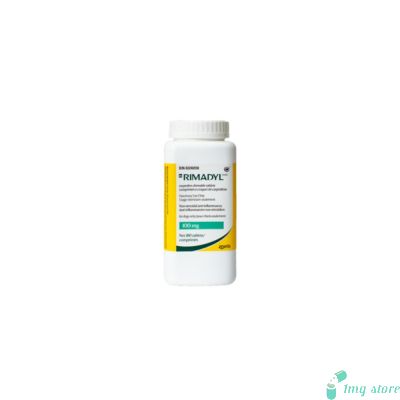
Antimicrobial Bayrocin Tablet (Enrofloxacin) for Bacterial Infection Treatment
Antimicrobial Bayrocin Tablet contains Enrofloxacin, a veterinary antibiotic used to treat certain bacterial infections in animals. It works by stopping bacterial growth and helping control infections caused by susceptible bacteria.


Product Overview
Bayrocin Tablet contains Enrofloxacin, a broad-spectrum antibiotic belonging to the fluoroquinolone group. It is used in veterinary medicine to manage bacterial infections in animals when the bacteria are susceptible to this medicine.
Enrofloxacin works by blocking bacterial enzymes called DNA gyrase and topoisomerase IV. These enzymes are necessary for bacteria to copy and repair their DNA. By interfering with these processes, the medicine prevents bacteria from multiplying and helps eliminate the infection.
Product Details
| Feature | Description |
| Brand Name | Bayrocin |
| Active Ingredient | Enrofloxacin |
| Medicine Type | Veterinary Antibiotic |
| Drug Category | Fluoroquinolone |
| Dosage Form | Tablet |
| Route of Administration | Oral |
| Main Use | Treatment of susceptible bacterial infections in animals |
How Does Bayrocin Work?
Enrofloxacin interferes with the enzymes bacteria need for DNA replication. This prevents bacterial growth and helps the animal's immune system control the infection.
Important Information
Bayrocin should only be used in animals under veterinary supervision. The appropriate dose and treatment duration depend on the animal species, body weight, type of infection, and veterinary assessment. It does not work against viral or fungal infections.
Precautions
Bayrocin Tablet (Enrofloxacin) is a potent antimicrobial medication used to treat bacterial infections in pets. While effective, it's important to observe certain precautions to ensure the safe and appropriate use of this medication. Understanding these precautions can help minimize risks and maximize the benefits of treatment for your pet.
Veterinary Guidance: Before administering Bayrocin Tablet to your pet, consult your veterinarian for proper diagnosis and treatment recommendations. Your veterinarian will assess your pet's condition and determine if Bayrocin is the appropriate medication based on factors such as the type and severity of the infection.
Dosage Accuracy: Administer Bayrocin Tablet at the prescribed dosage provided by your veterinarian. Dosage may vary depending on your pet's weight, age, and the specific type of infection being treated. Avoid overdosing or underdosing, as it can affect the effectiveness of treatment and may increase the risk of side effects.
Duration of Treatment: Complete the full course of treatment prescribed by your veterinarian, even if your pet's symptoms improve before the medication is finished. Prematurely discontinuing treatment can lead to incomplete resolution of the infection and may contribute to antibiotic resistance.
Monitoring for Adverse Reactions: Throughout the course of treatment with Bayrocin Tablet, monitor your pet for any signs of adverse reactions or changes in behavior. These may include gastrointestinal upset, allergic reactions, or neurological symptoms. If you observe any concerning symptoms, notify your veterinarian promptly.
Use in Young Animals: Exercise caution when using Bayrocin Tablet in puppies and kittens, particularly those under six months of age. Enrofloxacin has been associated with potential joint cartilage damage in young, growing animals, so its use should be carefully considered under veterinary supervision.
Avoid Use in Pregnant or Nursing Pets: Bayrocin Tablet is not recommended for use in pregnant or nursing pets unless specifically prescribed by a veterinarian. Enrofloxacin may cross the placenta and be excreted in milk, potentially affecting fetal development or nursing offspring.
Storage and Handling: Store Bayrocin Tablet in a cool, dry place away from direct sunlight and moisture. Keep the medication out of reach of children and pets to prevent accidental ingestion.
Usage
Follow Veterinary Instructions: Give Bayrocin only according to the veterinarian's prescribed dose and schedule.
Check the Animal's Weight: The amount required depends on the animal's body weight, species, and condition.
Oral Administration: Administer the tablet by mouth according to the product instructions and veterinary guidance.
Maintain a Regular Schedule: Give each dose at the recommended time to maintain consistent treatment.
Missed Dose: Contact the veterinarian for instructions if a dose is missed. Do not give an extra dose to compensate.
Monitor the Animal: Observe appetite, digestion, activity, and any unusual symptoms during treatment.
Complete the Course: Continue treatment for the prescribed duration unless the veterinarian advises otherwise.
Storage: Keep the tablets in their original packaging and follow the storage instructions on the product label.
Uses
Antimicrobial Bayrocin Tablet (Enrofloxacin) is a veterinary antibiotic used to treat certain bacterial infections in animals. It works against susceptible bacteria and may be prescribed for the following conditions, depending on the animal species and product approval.
1. Respiratory Infections: Helps treat certain bacterial infections affecting the respiratory tract.
2. Skin and Soft Tissue Infections: May be prescribed for susceptible bacterial infections affecting the skin and underlying tissues.
3. Urinary Tract Infections: Helps manage certain bacterial infections affecting the urinary system.
4. Digestive Tract Infections: May be used for selected bacterial infections affecting the digestive system when the bacteria are susceptible.
5. Bacterial Infections in Animals: Helps control infections caused by bacteria that respond to Enrofloxacin treatment.
Side Effects
While Bayrocin Tablet (Enrofloxacin) is a valuable antimicrobial medication for treating bacterial infections in pets, it's important to be aware of potential side effects that may occur during the course of treatment. Understanding these side effects can help you monitor your pet's health and promptly address any concerns with your veterinarian.
Common Side Effects:
Gastrointestinal Upset: Mild gastrointestinal disturbances such as nausea, vomiting, diarrhea, or loss of appetite may occur during treatment with Bayrocin Tablet. Ensuring your pet has access to fresh water and monitoring their food intake can help alleviate these symptoms.
Allergic Reactions: In some cases, pets may experience allergic reactions to Bayrocin Tablet, characterized by symptoms such as itching, hives, facial swelling, or difficulty breathing. If your pet displays any signs of an allergic reaction, seek immediate veterinary attention.
Central Nervous System Effects: Rarely, Bayrocin Tablet may cause central nervous system effects such as lethargy, weakness, seizures, or disorientation. If you observe any abnormal neurological symptoms in your pet, contact your veterinarian promptly.
Joint Damage (in young animals): Enrofloxacin has been associated with potential joint cartilage damage in young, growing animals. Therefore, it's essential to use Bayrocin Tablet with caution in puppies and kittens, particularly those under six months of age.
Photosensitivity: Some pets may experience increased sensitivity to sunlight (photosensitivity) while taking Bayrocin Tablet. Limiting your pet's exposure to direct sunlight or providing shade during outdoor activities can help prevent sun-related skin reactions.
FAQs
What is Bayrocin Tablet and what is it used for? Bayrocin Tablet is an antimicrobial medication containing the active ingredient Enrofloxacin. It is used to treat bacterial infections in dogs and cats, including respiratory, urinary tract, skin, and soft tissue infections.
How does Bayrocin Tablet work? Bayrocin Tablet works by inhibiting the activity of bacterial DNA gyrase and topoisomerase IV enzymes, which are essential for bacterial DNA replication and repair. By disrupting these processes, Bayrocin effectively kills or inhibits the growth of susceptible bacteria.
Is Bayrocin Tablet safe for my pet? Bayrocin Tablet is generally safe when used as directed by a veterinarian. However, like all medications, it may cause side effects in some pets. It's important to follow your veterinarian's instructions and monitor your pet closely during treatment.
How should I administer Bayrocin Tablet to my pet? Bayrocin Tablet is typically administered orally to your pet. Follow the dosage instructions provided by your veterinarian and ensure your pet consumes the entire dose. You can give the tablet directly or disguise it in a small amount of food to facilitate administration.
How long does it take for Bayrocin Tablet to work? The onset of action of Bayrocin Tablet varies depending on the type and severity of the bacterial infection being treated. In many cases, you may start to see improvement in your pet's symptoms within a few days of starting treatment. However, it's essential to complete the full course of treatment as prescribed by your veterinarian.
Can Bayrocin Tablet be used in pregnant or nursing pets? Bayrocin Tablet is not recommended for use in pregnant or nursing pets unless specifically prescribed by a veterinarian. Enrofloxacin may cross the placenta and be excreted in milk, potentially affecting fetal development or nursing offspring.
Are there any drug interactions with Bayrocin Tablet? Yes, Bayrocin Tablet may interact with certain medications or substances, including non-steroidal anti-inflammatory drugs (NSAIDs), corticosteroids, antacids, theophylline, warfarin, other antibiotics, and live vaccines. Inform your veterinarian about all medications your pet is receiving before starting treatment with Bayrocin Tablet.
What should I do if I miss a dose of Bayrocin Tablet? If you miss a dose of Bayrocin Tablet, administer it as soon as you remember. However, if it's almost time for the next scheduled dose, skip the missed dose and resume the regular dosing schedule. Do not double up on doses to make up for a missed dose unless advised by your veterinarian.
| Manufacturer | : | Elanco India Private Limited |
| Equivalent Brand | : | Baytril |
| Generic Search | : | Enrofloxacin |
Latest Products