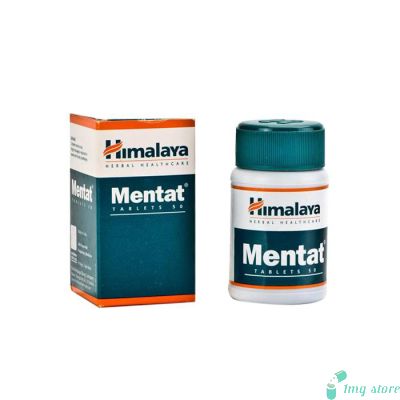
Ashvagandha Tablet (Herbal): Ayurvedic Herbal Supplement | For Stress Relief, Relaxation and Overall Well-Being
Ashvagandha Tablet contains ashwagandha, a traditional herbal ingredient commonly used to support stress management, relaxation, and overall well-being. It may also help support sleep quality and manage feelings of occasional stress. Its effects can vary depending on the formulation and individual response. Use it as directed, and consult a healthcare professional before taking it if you use other medicines.


Product Overview
Ashvagandha Tablet is a herbal nutraceutical formulation derived from Withania somnifera, commonly known as Ashwagandha. It is traditionally used in Ayurvedic wellness practices to support stress management, improve vitality, and promote overall physical and mental well-being.
The formulation is valued for its adaptogenic properties, helping the body adapt to physical, emotional, and environmental stressors. It is widely used as a daily wellness supplement for individuals seeking improved energy balance, relaxation, and resilience.
How Does Ashvagandha Tablet Work? (Pharmacodynamics)
Ashwagandha contains naturally occurring compounds called withanolides, which are being studied for their effects on the body's stress response. These compounds may help regulate stress-related processes and support relaxation. However, the exact way ashwagandha works in humans is not fully understood.
Understanding Its Role in the Body
Everyday stress can affect sleep, mood, and energy levels. Ashwagandha may help some people manage stress and feel more relaxed when used appropriately. It is a supportive herbal supplement, not a replacement for a balanced diet, healthy sleep habits, or medical care when needed.
Expected Results
Some people may notice changes in stress levels or sleep quality after several weeks of regular use. Results are not immediate or guaranteed, and the time taken to notice an effect can vary. Follow the product instructions rather than increasing the dose to seek faster results.
Pharmacokinetics: How the Body Processes It
After taking an ashwagandha tablet, its plant compounds are released and absorbed through the digestive system. The body then processes and breaks down these compounds before eliminating them. However, detailed pharmacokinetic information in humans remains limited, and absorption and processing may vary depending on the extract and formulation.
Mechanism Insights
- Stress Response Modulation
Ashwagandha is believed to help regulate the hypothalamic–pituitary–adrenal (HPA) axis, supporting a balanced cortisol response during stress conditions. - Neurochemical Support
It may influence neurotransmitters such as GABA, contributing to a calming effect on the nervous system and promoting mental relaxation. - Energy & Vitality Support
Through its adaptogenic action, it supports improved endurance, reduced fatigue perception, and enhanced overall vitality. - Antioxidant Activity
Contains bioactive compounds (withanolides) that help reduce oxidative stress at the cellular level, supporting general wellness.
Clinical Considerations
- Stomach comfort: Ashwagandha may cause stomach upset, diarrhoea, nausea, or vomiting in some people.
- Thyroid health: It may affect thyroid hormone levels, so consult a healthcare professional if you have a thyroid condition or take thyroid medicines.
- Liver health: Rare cases of liver injury have been reported. Stop taking it and seek medical advice if you develop yellowing of the skin or eyes, dark urine, or unusual severe fatigue.
- Medicine interactions: It may interact with medicines for diabetes, blood pressure, thyroid conditions, seizures, or those that cause drowsiness.
- Pregnancy and breastfeeding: Avoid use during pregnancy. If breastfeeding, consult a healthcare professional before taking it.
- Safe use: Choose the dose according to the product label or professional advice. Long-term safety is not well established.
Storage Instructions
Store Ashvagandha Tablets in a cool, dry place away from direct sunlight and moisture. Keep them in their original packaging, tightly closed and out of reach of children. Follow any specific storage directions on the label.
Conclusion
Ashvagandha Tablet may offer support for stress management and relaxation, but its effects vary from person to person. Check the product ingredients, use it responsibly, and seek professional advice if you have an existing health condition or take other medicines.
Precautions
Ashvagandha Tablet (Herbal) should be used thoughtfully, as herbal products may cause side effects or interact with certain medicines. Individual health conditions, the product's ingredients, and the amount taken can affect how well it is tolerated. Following these precautions can help you use it more safely.
Before You Start
Check for allergies: Review the ingredients and avoid the tablet if you are allergic to ashwagandha or any other component.
Discuss thyroid problems: Inform your doctor if you have a thyroid disorder, as ashwagandha may affect thyroid hormone levels.
Mention liver conditions: Consult your doctor before use if you have liver disease, as rare cases of liver injury have been reported.
Discuss existing health conditions: Seek medical advice if you have an autoimmune condition or another long-term health problem.
Share your medication list: Tell your doctor about all medicines and supplements you take, especially those for diabetes, blood pressure, thyroid disorders, or conditions affecting the immune system.
Pregnancy and breastfeeding: Avoid ashwagandha during pregnancy. If you are breastfeeding, consult your healthcare professional before use.
While Using It
Follow the recommended dose: Take Ashvagandha Tablet according to the product instructions or your healthcare professional's advice. Do not take more than recommended.
Watch for stomach discomfort: It may cause nausea, diarrhoea, vomiting, or stomach upset in some people.
Monitor unusual symptoms: Stop taking the supplement and seek medical advice if you develop yellowing of the eyes or skin, dark urine, or persistent itching.
Be careful with sedatives: Ashwagandha may increase drowsiness when combined with medicines that cause sleepiness.
Avoid combining supplements unnecessarily: Check with your healthcare professional before taking it alongside other herbal products.
Review long-term use: Consult your healthcare professional before using it for extended periods, as long-term safety is not well established.
When to Seek Medical Help
Possible liver problems: Seek prompt medical advice for yellowing of the skin or eyes, dark urine, or persistent abdominal pain.
Severe allergic reactions: Get emergency help for facial swelling, breathing difficulties, or a severe rash.
Thyroid-related symptoms: Report a racing heartbeat, unusual sweating, or unexplained changes in weight.
Severe stomach symptoms: Seek medical advice if persistent vomiting or diarrhoea causes weakness or signs of dehydration.
Note:
Ashvagandha Tablet is a herbal supplement, but natural ingredients can still cause side effects and medicine interactions. Choose a product with clearly listed ingredients and consult a healthcare professional before use if you have an existing medical condition or take regular medicines.
Usage
Follow the product instructions: Take Ashvagandha Tablet according to the directions on the packaging or your healthcare professional's advice, as the recommended amount may vary by formulation.
Take it consistently: Follow the suggested schedule rather than taking extra tablets for quicker results.
With or without food: Follow the product label for whether to take the tablet with meals, especially if you experience stomach discomfort.
Missed a dose? Take it when you remember if appropriate for the product instructions. If it is nearly time for your next dose, skip the missed dose. Do not double the amount.
Check before combining supplements: Consult a healthcare professional before taking it with sedatives, thyroid medicines, or medicines that affect blood sugar or blood pressure.
Consider your health conditions: Seek medical advice before use if you have thyroid or liver problems, an autoimmune condition, or are pregnant or breastfeeding.
Monitor your response: Stop taking the supplement and seek medical advice if you develop unusual symptoms, persistent stomach upset, yellowing of the skin or eyes, or dark urine.
Uses
Ashvagandha Tablet is a herbal supplement made from ashwagandha (Withania somnifera), a plant traditionally used in Ayurvedic wellness practices. Depending on its formulation, it may be used to support general well-being and help manage everyday stress.
Stress management: Some research suggests that ashwagandha may help reduce perceived stress in certain people.
Sleep support: Certain preparations may help improve sleep quality, particularly in people who experience sleep difficulties.
General well-being: Traditionally used as part of wellness routines to support overall health.
Physical performance: Some studies suggest that specific preparations may support strength and exercise recovery when combined with regular training.
Note: Ashvagandha tablets can vary in extract strength, ingredients, and recommended use. Evidence for their benefits is still developing, and results may differ between individuals. Ashwagandha may cause stomach upset or drowsiness and has rarely been associated with liver injury. Consult a healthcare professional before use, particularly if you take regular medicines or have an existing health condition.
Conclusion
Ashvagandha Tablet may offer support for stress management and sleep as part of a balanced lifestyle. Choose a clearly labelled product, follow its recommended directions, and seek professional advice if you are unsure whether it is suitable for you.
Side Effects
Ashvagandha Tablets contain Ashwagandha, a herbal ingredient traditionally used to support stress management and overall well-being. Although generally well tolerated by many people, it may cause side effects depending on the dose and individual response.
Common Side Effects
Stomach discomfort: You may experience mild stomach pain or uneasiness.
Nausea: You may feel sick, especially after taking the tablet.
Diarrhoea: Loose stools may occur in some people.
Drowsiness: You may feel sleepy or less alert.
Vomiting: Some people may experience an upset stomach or vomiting.
Serious Side Effects
Liver problems: Yellowing of the skin or eyes, dark urine, or unusual fatigue requires prompt medical attention.
Allergic reactions: Rash, facial swelling, or difficulty breathing needs immediate medical care.
Thyroid changes: Ashwagandha may affect thyroid hormone levels and cause symptoms such as a racing heartbeat or unusual sweating.
Note: Take Ashvagandha Tablets as directed and inform your healthcare professional if you have thyroid or liver problems or take regular medicines. Avoid using them during pregnancy unless specifically advised by a healthcare professional. Seek medical advice if side effects persist or worsen, and get immediate help for severe allergic reactions.
FAQs
1. What is Ashvagandha Tablet used for?
Ashvagandha Tablet is a herbal supplement commonly used to support stress management, relaxation, sleep quality, and general well-being.
2. How does Ashvagandha Tablet work?
Ashwagandha contains naturally occurring compounds called withanolides, which may help the body manage stress and support relaxation.
3. How should I take Ashvagandha Tablet?
Take Ashvagandha Tablet according to the product label or your healthcare professional's advice. The recommended amount may vary depending on the formulation and concentration.
4. Can Ashvagandha Tablet help with stress?
Ashwagandha may help reduce perceived stress in some people. However, results vary, and it should not replace professional care when stress becomes difficult to manage.
5. Can Ashvagandha Tablet improve sleep?
It may help some people relax and improve sleep quality. However, its effects vary, and it is not a replacement for medical treatment for persistent sleep problems.
6. What are the possible side effects of Ashvagandha Tablet?
Possible side effects include stomach discomfort, nausea, diarrhoea, and drowsiness. Rare cases of liver injury have also been reported.
7. Can Ashvagandha Tablet be taken daily?
Daily use may be suitable for some adults, depending on the formulation and dose. Consult a healthcare professional about the appropriate duration of use.
8. Can Ashvagandha Tablet interact with other medicines?
Yes. It may interact with medicines for diabetes, high blood pressure, thyroid conditions, or immune suppression, as well as sedatives. Check with your healthcare professional before combining them.
9. Who should avoid taking Ashvagandha Tablet?
Pregnant or breastfeeding individuals and people with thyroid disorders, autoimmune conditions, or liver problems should consult a healthcare professional before using it.
10. How long does Ashvagandha Tablet take to show results?
Some people may notice changes in stress or sleep after a few weeks, while others may not experience noticeable benefits. Results depend on the formulation, dose, and individual response.
Interactions
Ashvagandha Tablets may interact with certain medicines, even though they are herbal. These combinations may increase drowsiness, affect blood sugar or blood pressure, or interfere with thyroid treatment. Tell your healthcare professional about any medicines or supplements you take before using Ashvagandha.
1. Sleeping Pills and Sedatives
Ashvagandha may increase drowsiness when taken with sleeping tablets or medicines for anxiety.
Check with your healthcare professional before combining them.
2. Thyroid Medicines
Ashvagandha may affect thyroid hormone levels and interfere with thyroid treatment.
Consult your healthcare professional if you take medicines for thyroid conditions.
3. Diabetes Medicines
Ashvagandha may lower blood sugar, potentially increasing the risk of low blood sugar when combined with diabetes medicines.
Monitor your blood sugar as advised.
4. Blood Pressure Medicines
Ashvagandha may lower blood pressure further when taken with blood pressure medicines.
Seek medical advice if you experience dizziness or weakness.
5. Medicines That Suppress the Immune System
Ashvagandha may affect immune activity and could interfere with medicines used to suppress the immune system.
Consult your healthcare professional before combining them.
6. Medicines That Affect the Liver
Rare cases of liver injury have been associated with Ashvagandha supplements.
Tell your healthcare professional if you take medicines that may affect the liver.
Tips to Avoid Interactions
Inform your healthcare professional about all medicines, herbal products, and supplements you use.
Do not combine Ashvagandha with other products that cause drowsiness without medical advice.
Stop taking it and seek medical advice if you notice yellowing of the skin or eyes, dark urine, or unusual tiredness.
Note: Herbal products can still cause side effects and interactions. Check the ingredients on your Ashvagandha Tablet packaging, as formulations may vary, and consult your healthcare professional before use, especially if you take regular medication.
| Manufacturer | : | Himalaya Pharma, India |
| Equivalent Brand | : | Gaia Herbs Ashwagandha Root |
| Generic Search | : | Ashvagandha |
Latest Products