Betadine (Povidone-Iodine): Antiseptic Ointment| For Cleansing Minor Cuts, Wounds and Helping Prevent Infection
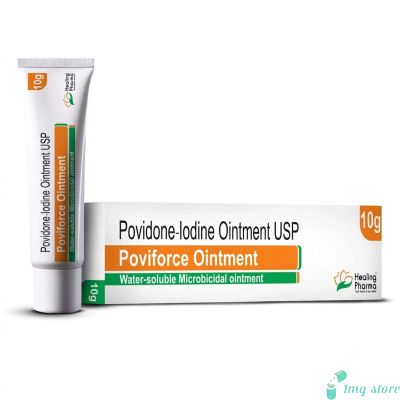
Betadine Ointment contains povidone-iodine, an antiseptic that helps kill germs and reduce the risk of infection in minor cuts, scrapes, and superficial burns. It works by releasing iodine, which acts against a range of bacteria and other microorganisms. Apply it as directed by your healthcare professional.


Product Overview
Betadine Ointment contains povidone-iodine, an antiseptic that helps clean minor cuts, scrapes, and superficial burns by reducing germs on the skin. It works against a broad range of microorganisms that can contaminate damaged skin. When used as directed, Betadine Ointment helps protect the affected area from contamination while the skin heals naturally.
How Does Betadine Ointment Work?
Betadine Ointment releases iodine, which acts on microorganisms by disrupting their essential proteins and other cellular components. This helps destroy or inactivate many bacteria, fungi, and certain viruses on the treated area, reducing the number of germs present on the skin.
Understanding Its Role in the Body
Betadine Ointment works locally on the skin rather than treating infections throughout the body. Its antiseptic action helps reduce microbial contamination around minor wounds, supporting a cleaner environment for natural healing. It does not replace medical treatment for deep wounds, serious burns, or established infections that require professional assessment.
Key Uses of Betadine Ointment
- Minor cuts and scrapes: Helps reduce germs on small areas of damaged skin.
- Superficial burns: May be used as an antiseptic for minor burns, according to the product instructions and medical advice.
- Minor skin wounds: Helps reduce microbial contamination in affected areas.
- Skin protection: Supports wound care by helping keep minor injuries cleaner while the skin heals.
Expected Results
When used correctly, Betadine Ointment helps reduce germs on the treated skin. Minor wounds can then heal naturally over time, depending on their size, depth, and overall condition. The ointment does not guarantee that infection will be prevented or make wounds heal immediately. Seek medical advice if redness, swelling, pain, or discharge increases.
Product Information Table
| Product Name | Betadine Ointment (Povidone Iodine) |
| Active Ingredient | Povidone Iodine |
| Uses | Prevents and treats infections in minor cuts, wounds, and burns |
| Side Effects | Skin irritation, allergic reactions, thyroid disturbances |
| Precautions | Allergy alert, external use only, consult a doctor for large or severe wounds |
| Interactions | Lithium, mercury-based products |
Precautions
Betadine contains povidone-iodine, an antiseptic used to help clean the skin and reduce germs that may cause infection. Use it according to the product instructions, as precautions can vary depending on the formulation and where it is applied.
Before You Start
Check for allergies: Tell your healthcare professional if you have had a reaction to povidone-iodine or similar products.
Share your medical history: Consult your doctor if you have thyroid problems or kidney disease, or if you are pregnant or breastfeeding.
Check the formulation: Make sure the product is suitable for the intended area, as skin, mouth, and other formulations may differ.
While Using It
Follow the instructions: Apply or use Betadine only as directed.
Avoid sensitive areas: Keep skin formulations away from the eyes and avoid swallowing them.
Watch your skin: Stop using it and seek advice if you notice persistent redness, irritation, or a rash.
Avoid excessive use: Do not use it repeatedly over large areas or for prolonged periods without medical advice.
When to Seek Medical Help
Severe irritation or swelling: Stop using the product and contact a healthcare professional.
Signs of an allergic reaction: Seek urgent help for facial swelling or difficulty breathing.
Worsening wounds: Get medical advice if the wound becomes increasingly painful, red, swollen, or does not heal.
Note: Betadine formulations vary, so always follow the instructions for your specific product. Seek medical advice before using it on deep wounds, extensive burns, or large areas of damaged skin.
Usage
Follow the product instructions: Use Betadine (Povidone-Iodine) according to the directions on the packaging or as advised by your healthcare professional.
Clean the affected area: If it is a skin solution, gently clean the area as directed before applying the product.
Apply as instructed: Use the recommended amount and application method. Do not apply more frequently than advised.
Check before combining products: Ask your healthcare professional before using Betadine with other antiseptics, medicated creams, or wound treatments on the same area.
Mention allergies and health conditions: Inform your healthcare professional if you have had a reaction to povidone-iodine or have thyroid problems, are pregnant or breastfeeding, or take medicines that may affect thyroid function.
Monitor the skin: Stop using the product and seek medical advice if you develop persistent redness, swelling, itching, or irritation.
Use the correct formulation: Betadine comes in different forms, including skin solutions, ointments, and products for other specific uses. Make sure you use the formulation intended for your needs.
Uses
Betadine commonly contains Povidone-Iodine, an antiseptic that helps kill or reduce the growth of various microorganisms, including bacteria, fungi, and some viruses. Its specific uses depend on the formulation.
Minor cuts and scrapes: Certain skin formulations can help reduce the risk of infection in minor wounds.
Minor burns: Some suitable formulations may be used for minor burns according to product instructions and professional advice.
Skin antisepsis: It is used to reduce microorganisms on the skin before certain medical procedures.
Wound care: Appropriate formulations may be used as part of wound care when recommended by a healthcare professional.
Infection prevention: Its antiseptic action helps reduce the number of microorganisms on the treated area but does not replace medical treatment for an established or serious infection.
Note: Check the label to confirm the exact Betadine formulation and its intended use. Do not swallow skin preparations or apply them to deep wounds, large burns, or extensive areas of damaged skin unless directed by a healthcare professional. Seek medical advice if a wound becomes increasingly painful, swollen, red, or develops discharge, or if it does not heal as expected.
Side Effects
Betadine Ointment contains povidone-iodine, an antiseptic that helps kill germs and reduce the risk of infection in minor cuts, scrapes, and burns. It is generally used on the skin, but some people may experience side effects depending on their skin sensitivity and how the ointment is used.
Common Side Effects
Mild skin irritation: You may notice slight redness, itching, or discomfort where the ointment is applied.
Dryness: The treated area may feel dry or tight.
Burning or stinging: A mild burning sensation may occur shortly after application.
Skin redness: The skin around the treated area may temporarily become red or irritated.
Serious Side Effects
Allergic reactions: A severe rash, swelling of the face or throat, or difficulty breathing requires immediate medical attention.
Severe skin irritation: Intense redness, swelling, blistering, or worsening discomfort should be checked by a healthcare professional.
Thyroid-related effects: Prolonged or extensive use may affect thyroid function because povidone-iodine contains iodine, particularly in people with existing thyroid problems.
Note: Avoid using it over large areas of skin or for prolonged periods without medical guidance. Tell your doctor if you have thyroid problems or a known sensitivity to povidone-iodine. Seek medical advice if irritation persists or worsens, and get emergency help if you experience difficulty breathing or swelling of the face or throat.
FAQs
1. What is Betadine Ointment used for?
Betadine Ointment contains povidone-iodine, an antiseptic that helps kill germs and reduce the risk of infection in minor cuts, scrapes, and small burns.
2. How does Betadine Ointment work?
It releases iodine that acts against many types of bacteria, fungi, and certain viruses, helping keep minor skin injuries clean.
3. How should Betadine Ointment be applied?
Gently clean the affected area and pat it dry. Apply a thin layer of ointment as directed on the product label or by your healthcare professional. Wash your hands before and after application.
4. What are the common side effects of Betadine Ointment?
Some people may experience mild skin irritation, redness, itching, or a burning sensation where the ointment is applied.
5. Can Betadine Ointment be used on open wounds?
It may be suitable for minor cuts and scrapes. However, deep wounds, large burns, puncture wounds, or serious injuries need medical assessment rather than self-treatment.
6. Can Betadine Ointment be used every day?
Use it only as directed. Avoid prolonged or repeated use over large areas unless advised by a healthcare professional, as excessive iodine absorption can affect thyroid function.
7. Can Betadine Ointment be applied to the face?
Use caution when applying it to facial skin, and keep it away from the eyes, mouth, and other sensitive areas. Ask a healthcare professional before using it on facial wounds.
8. Who should avoid using Betadine Ointment?
People with an allergy to povidone-iodine or any ingredient in the product should avoid it. Those with thyroid disorders, people receiving lithium treatment, and pregnant or breastfeeding individuals should seek medical advice before use.
9. Can Betadine Ointment be used with other creams?
Avoid applying other antiseptics or medicated creams to the same area without professional advice, as some products may interact or cause additional skin irritation.
10. When should I consult a doctor while using Betadine Ointment?
Seek medical advice if the wound becomes increasingly red, swollen, painful, or produces pus, or if you develop a fever. Stop using the ointment and seek help if you experience severe irritation or signs of an allergic reaction.
Interactions
Betadine Ointment contains Povidone-Iodine, an antiseptic that helps reduce germs on the skin and supports the care of minor cuts, scrapes, and wounds. Using it alongside certain products or medicines may require extra care.
1. Other Antiseptics and Skin Products
Interaction: Applying Betadine with other antiseptics or medicated skin products may cause irritation or affect how the products work together.
Advice: Avoid layering different wound-care products unless your healthcare professional recommends it.
2. Hydrogen Peroxide
Interaction: Using hydrogen peroxide alongside povidone-iodine may affect the activity of the products or irritate the skin.
Advice: Ask a healthcare professional before using both on the same area.
3. Products Containing Mercury or Silver
Interaction: Povidone-iodine may be incompatible with certain mercury-containing products and some silver-containing preparations.
Advice: Check with your doctor or pharmacist before combining Betadine with other wound-care products.
4. Lithium Therapy
Interaction: Regular or extensive use of povidone-iodine may affect thyroid function, which is particularly important for people taking lithium.
Advice: If you take lithium, consult your doctor before using Betadine, especially over large areas or for prolonged periods.
5. Thyroid-Related Medicines and Tests
Interaction: Repeated or extensive use of povidone-iodine may affect thyroid function and can interfere with some thyroid-related tests.
Advice: Inform your healthcare professional if you have a thyroid condition, take thyroid medicines, or are scheduled for thyroid testing.
Important: Use Betadine Ointment according to the product instructions. Tell your healthcare professional about your medicines, allergies, and existing health conditions before using it, especially on large areas of skin or for an extended period.
| Manufacturer | : | Win-Medicare Pvt Ltd |
| Equivalent Brand | : | Betadine |
| Generic Search | : | Povidone Iodine |
Latest Products