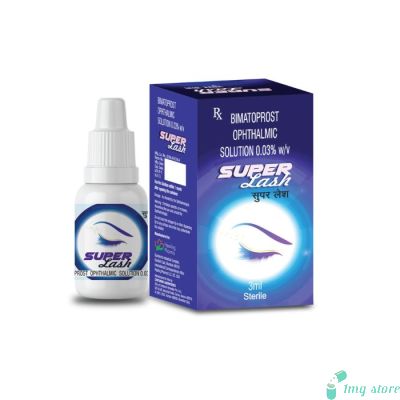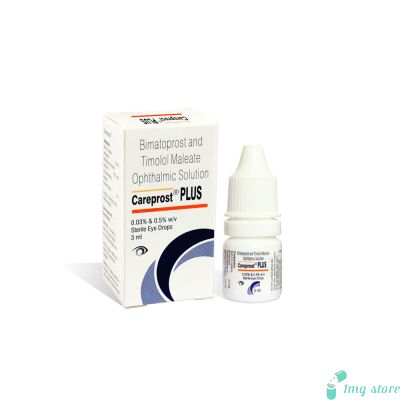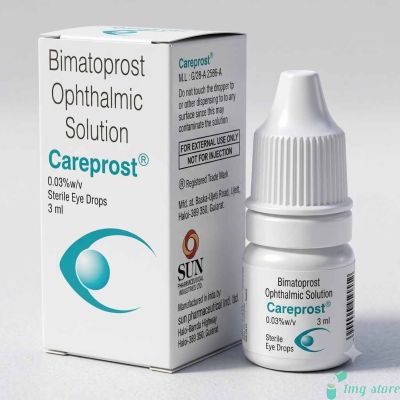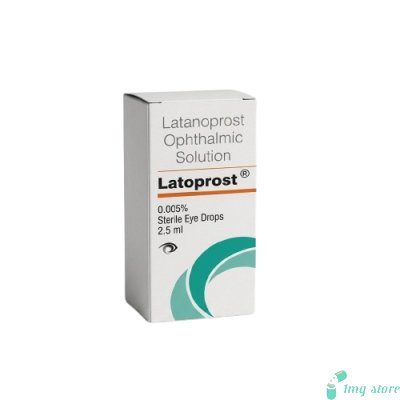
Bimat Eye Drop (Bimatoprost) | For Managing Glaucoma, Reducing Eye Pressure and Promoting Eyelash Growth
Bimat Eye Drop contains bimatoprost, a prostaglandin analogue used to lower elevated pressure inside the eyes in conditions such as glaucoma and ocular hypertension. It works by improving the natural drainage of fluid from the eye, helping prevent pressure buildup that may damage the optic nerve. Bimatoprost is also available in specific formulations for promoting eyelash growth.


Product Overview
Bimat Eye Drop contains Bimatoprost, a prostaglandin analogue used to reduce increased pressure inside the eyes, particularly in people with open-angle glaucoma or ocular hypertension. It works by improving the drainage of fluid from the eye, helping prevent pressure from building up. Maintaining eye pressure within a healthy range is important because prolonged elevation can damage the optic nerve and affect vision.
How Does Bimat Eye Drop Work? (Pharmacodynamics)
The eye continuously produces a clear fluid called aqueous humour, which normally drains out to maintain balanced eye pressure. When this fluid does not drain properly, pressure inside the eye can increase.
Bimatoprost acts on prostaglandin receptors in the eye and improves the movement of aqueous humour through alternative drainage pathways, particularly the uveoscleral pathway. This helps lower intraocular pressure and reduces the risk of pressure-related optic nerve damage.
Understanding Its Role in the Body
Bimat Eye Drop helps control eye pressure rather than directly improving eyesight or reversing existing optic nerve damage. Regular use helps maintain lower pressure and supports the long-term protection of vision. Since glaucoma may not cause noticeable symptoms in its early stages, continuing treatment and attending eye check-ups are important even when your eyes feel normal.
Expected Results
Bimatoprost begins lowering eye pressure within a few hours of application, with its pressure-reducing effect generally becoming more pronounced over time. Consistent use helps maintain this effect. Your eye specialist may recommend regular pressure checks to assess how well the treatment is working.
Pharmacokinetics: How the Body Processes It
When applied directly to the eye, bimatoprost acts mainly within the eye tissues.
Absorption: A small amount enters the eye through the cornea and surrounding tissues.
Distribution: It reaches the tissues involved in regulating fluid drainage and eye pressure.
Metabolism: Bimatoprost is converted into its active form, which contributes to its pressure-lowering effect.
Elimination: Any absorbed amount is gradually broken down, mainly through metabolic pathways, and removed from the body.
Only a small amount typically enters the bloodstream following normal eye-drop use.
Clinical Considerations
Eye colour changes: Bimatoprost may gradually increase brown pigmentation in the iris. This change may be permanent.
Eyelash changes: Eyelashes may become longer, thicker, darker, or more numerous during treatment.
Eye irritation: Redness, itching, dryness, or a mild burning sensation may occur after application.
Existing eye conditions: Inform your eye specialist if you have a history of eye inflammation, macular swelling, or previous eye surgery.
Contact lenses: Remove soft contact lenses before applying the drops and wait at least 15 minutes before putting them back in.
Application technique: Avoid touching the dropper tip to your eye or any surface. If using other eye drops, maintain an interval of at least five minutes between applications.
Consistent use: Apply the prescribed dose, usually once daily in the evening. Using it more frequently may reduce its pressure-lowering effectiveness.
Storage Instructions
Store Bimat Eye Drop according to the temperature specified on its packaging, away from direct sunlight and excessive heat. Keep the bottle tightly closed and avoid touching the dropper tip. Follow the product-specific instructions regarding refrigeration, if applicable, and discard it after the recommended period following opening.
Summary
Bimat Eye Drop helps lower increased eye pressure by improving the drainage of fluid from the eye. Regular application can help protect the optic nerve and reduce the risk of further vision damage. Follow your eye specialist's instructions and attend routine eye examinations to monitor treatment progress.
Precautions
Bimat Eye Drops require proper handling and regular eye monitoring to avoid irritation, contamination, and unwanted changes around the eyes. Certain existing eye conditions, previous eye surgeries, and contact lens use may require extra care. Follow your eye specialist’s instructions and take note of any unusual changes during treatment.
Before You Start
Check for allergies: Inform your doctor if you have experienced an allergic reaction to bimatoprost or any ingredient in the drops.
Discuss existing eye conditions: Mention any history of uveitis, macular swelling, or other eye problems.
Inform about eye surgery: Tell your doctor if you have undergone cataract surgery or any other eye procedure.
Mention other eye medicines: Share details of other eye drops or treatments you are currently using.
Discuss pregnancy or breastfeeding: Seek medical advice before using the drops.
While Using It
Follow the prescribed dose: Use the drops exactly as directed. Do not apply extra drops to make up for a missed dose.
Maintain cleanliness: Avoid touching the dropper tip to your eye, fingers, or any surface to prevent contamination.
Remove contact lenses: Take out soft contact lenses before application and wait at least 15 minutes before putting them back in, if your formulation contains benzalkonium chloride.
Watch for colour changes: Bimatoprost may gradually darken the iris, eyelid skin, or eyelashes. Iris colour changes may be permanent.
Avoid unnecessary application: Use the drops only in the prescribed eye or eyes.
Allow time between eye medicines: If using other eye drops, leave at least five minutes between applications unless instructed otherwise.
When to Seek Medical Help
Persistent irritation: Contact your doctor if redness, discomfort, or swelling continues.
Vision changes: Report blurred vision or any unusual changes in eyesight.
Signs of infection: Seek medical advice if you develop eye pain, discharge, or increasing redness.
Allergic reactions: Seek immediate medical attention for significant swelling, severe itching, or difficulty breathing.
Note:
Bimat Eye Drops should be used under medical guidance. Keep the bottle clean, avoid touching its tip, and attend regular eye checkups. If you develop an eye infection, injury, or unusual vision changes, consult your eye specialist about continuing treatment.
Usage
Use it as prescribed: Bimat Eye Drop (Bimatoprost) is generally used once daily, preferably in the evening, for managing elevated eye pressure. Follow the schedule recommended by your eye specialist.
Prepare before applying: Wash your hands thoroughly and avoid touching the dropper tip with your fingers or any surface to keep it clean.
Apply the drops carefully: Tilt your head back, gently pull down your lower eyelid, and place one drop into the affected eye without allowing the bottle tip to touch your eye.
Close your eyes gently: After applying the drop, close your eyes for about one to two minutes. Gently press the inner corner of the eye to help reduce the amount of medicine entering the bloodstream.
Using other eye drops? Keep a gap of at least five minutes between different eye medications. If you wear contact lenses, remove them before application and wait at least 15 minutes before putting them back, unless your product instructions advise otherwise.
Missed a dose? Skip the missed application and use the next dose at your usual time. Do not apply extra drops to compensate.
Keep an eye on changes: Mild redness, itching, or temporary blurred vision may occur. Contact your eye specialist if irritation persists or your vision changes unexpectedly.
Maintain regular eye check-ups: Continue your scheduled appointments so your doctor can monitor eye pressure and assess how well the treatment is working.
Uses
Bimat Eye Drop contains Bimatoprost, a prostaglandin analogue that helps lower pressure inside the eye by improving the drainage of a fluid called aqueous humour.
Open-angle glaucoma: Helps reduce increased eye pressure associated with open-angle glaucoma, a condition that can gradually damage the optic nerve.
Ocular hypertension: Used to lower pressure inside the eyes when it is higher than normal, helping reduce the risk of pressure-related damage.
Improves fluid drainage: Helps the natural fluid inside the eye drain more effectively, reducing pressure buildup.
Helps protect vision: Keeping eye pressure under control can help lower the risk of further optic nerve damage and vision loss.
Summary
Bimat Eye Drop helps manage elevated eye pressure by improving fluid drainage from the eyes. Regular use is important because glaucoma and ocular hypertension may not cause noticeable symptoms in their early stages. Follow your eye specialist's instructions and attend routine eye examinations to monitor your eye health.
Side Effects
Bimat Eye Drops contain Bimatoprost, which may cause some eye-related side effects during treatment. These reactions can vary from person to person, depending on individual sensitivity and response to the medicine.
Common Side Effects
Eye redness: Your eyes may appear slightly red or irritated.
Eye itching: You may experience itching or mild discomfort.
Dry eyes: Your eyes may feel dry or uncomfortable.
Watery eyes: Increased tearing may occur.
Eyelash growth: Your eyelashes may become longer, thicker, or darker.
Eyelid darkening: The skin around your eyes may gradually become darker.
Blurred vision: Temporary blurring may occur after applying the drops.
Serious Side Effects
Changes in eye colour: Increased brown pigmentation of the iris may occur and can be permanent.
Eye inflammation: Persistent redness, pain, or swelling inside or around the eye needs medical attention.
Macular oedema: Swelling in the central part of the retina may affect vision.
Severe allergic reactions: Significant swelling, rash, or difficulty breathing requires immediate medical attention.
Vision changes: Sudden or noticeable changes in vision should be assessed promptly.
Note: Use Bimat Eye Drops only as prescribed. Avoid touching the dropper tip to your eye or other surfaces, and remove contact lenses before application. Inform your doctor if you have existing eye conditions or use other eye medications. Seek medical advice if irritation persists or your vision changes.
FAQs
1. What is Bimat Eye Drop used for?
Bimat Eye Drop contains bimatoprost and is used to lower increased pressure inside the eyes in people with glaucoma or ocular hypertension. Certain formulations of bimatoprost are also used to improve eyelash growth.
2. How does Bimat Eye Drop work?
Bimatoprost helps the eyes drain excess fluid more effectively. This reduces pressure inside the eye and helps protect the optic nerve from damage associated with increased eye pressure.
3. How should Bimat Eye Drop be used?
Wash your hands before use, tilt your head slightly backward, and place the prescribed number of drops into the affected eye without touching the dropper tip to your eye or any surface.
4. How long does Bimat Eye Drop take to show results?
Its pressure-lowering effect can begin within a few hours, but consistent use is important. The full benefit is assessed over time through regular eye-pressure checks.
5. What are the common side effects of Bimat Eye Drop?
Some people may experience eye redness, itching, irritation, dryness, a mild burning sensation, or temporary blurred vision after application.
6. Can Bimat Eye Drop change eye colour?
Yes. Bimatoprost may gradually increase brown pigmentation in the iris. This change can be permanent and may become more noticeable with continued use.
7. Can Bimat Eye Drop make eyelashes grow longer?
Bimatoprost can promote eyelash growth, making lashes appear longer, thicker, and darker. However, this effect depends on the formulation and how it is prescribed or used.
8. Can Bimat Eye Drop be used while wearing contact lenses?
Remove contact lenses before applying the drops. If your lenses are compatible with the formulation, wait at least 15 minutes before putting them back in.
9. What should I do if I miss a dose of Bimat Eye Drop?
Use the missed dose when you remember if it is not close to your next scheduled dose. Otherwise, skip it and continue with your usual routine. Do not use extra drops to compensate.
10. Can Bimat Eye Drop be used in both eyes?
Use it only in the eye or eyes prescribed by your ophthalmologist. Do not change the number of treated eyes or application frequency without medical advice.
Interactions
Bimat Eye Drops contain bimatoprost, and certain eye medicines or other treatments may affect how well they work. Using multiple eye drops together may also change their effects or increase irritation. Let your healthcare professional know about all eye drops, medicines, and supplements you use before starting treatment.
1. Other Glaucoma Eye Drops
Using Bimat with other eye-pressure-lowering drops may change the overall treatment effect.
Inform your eye specialist if you are already using medicines for glaucoma or ocular hypertension.
2. Other Prostaglandin Eye Drops
Using bimatoprost with similar eye drops, such as latanoprost or travoprost, may reduce the expected eye-pressure-lowering effect in some cases.
Avoid combining them unless your eye specialist specifically recommends it.
3. Other Eye Medications
Using multiple eye drops may affect how well each medicine is absorbed.
If you use more than one eye medication, follow the recommended gap between applications, generally at least 5 minutes.
4. Contact Lenses
The preservatives in some Bimat formulations may be absorbed by soft contact lenses.
Remove contact lenses before applying the drops and wait at least 15 minutes before putting them back in, if advised for your formulation.
Tips to Avoid Interactions
Inform your eye specialist about all eye drops and medicines you currently use.
Do not combine different glaucoma treatments without medical advice.
Follow the correct application instructions and recommended gap between eye drops.
Avoid touching the dropper tip to your eye or other surfaces.
Note: Not all eye-drop combinations cause problems, but some may affect treatment results. Use Bimat only as prescribed and attend regular eye-pressure check-ups.
| Manufacturer | : | Ajanta Pharma, India |
| Equivalent Brand | : | Lumigan |
| Generic Search | : | Bimatoprost |
Latest Products