Capnat Tablet (Capecitabine): Anticancer Medicine | For Breast, Colorectal, and Other Solid Tumor Cancers Management
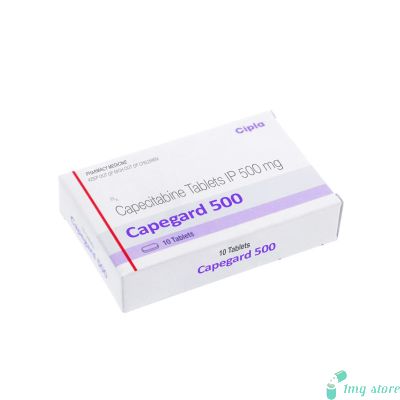
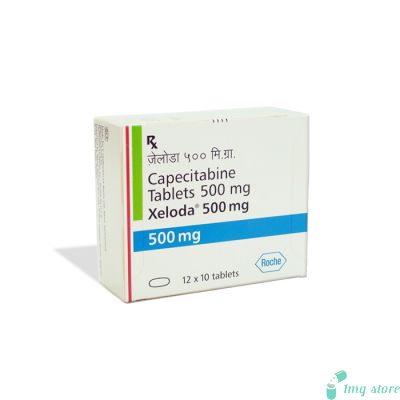
Capecitabine Tablet, marketed under the brand name Xeloda, and Capnat, is an oral chemotherapy medication used in the treatment of various types of cancer, including colon cancer and breast cancer.


Product Overview
Capnat Tablet contains Capecitabine, an oral chemotherapy medication used in the treatment of various cancers, particularly colorectal cancer, breast cancer, and gastric cancer. It is designed as a targeted anticancer therapy that becomes active after being metabolized in the body, where it converts into 5-fluorouracil (5-FU) at the tumor site.
Mechanism Insights (How It Works)
- Selective Conversion
Capecitabine is converted into 5-fluorouracil (5-FU) inside the body, with higher activation occurring within tumor tissues. - DNA Synthesis Inhibition
The active metabolite blocks enzymes required for DNA production, preventing cancer cells from replicating. - Tumor Cell Destruction
By interrupting cell division and RNA function, the drug slows tumor growth and promotes cancer cell death.
Administration Guidelines
- Take exactly as prescribed by the oncologist
- Usually taken within 30 minutes after meals
- Swallow tablets whole with water
- Maintain proper hydration during treatment
- Complete the full prescribed treatment cycle
Clinical Considerations
- Commonly used as monotherapy or in combination chemotherapy regimens
- Regular monitoring of blood counts and organ function may be required
- Dose adjustments may be needed based on tolerance and side effects
- Patients should promptly report severe diarrhea, hand-foot syndrome, or unusual bleeding
- Adherence to the prescribed schedule is essential for optimal treatment outcomes
Precautions:
Capnat Tablet should be used with caution to ensure safe and effective treatment. Since it is a chemotherapy medicine, proper medical supervision is essential, especially in patients with pre-existing health conditions or those receiving combination cancer therapy.
General Precautions
- Use only as prescribed by an oncologist or healthcare professional
- Follow the exact dosage schedule and complete the prescribed treatment cycle
- Do not alter or skip doses without medical advice
- Regular follow-up appointments are important to monitor response to treatment
Liver & Kidney Function Considerations
- Capecitabine is metabolized in the liver and eliminated through the kidneys
- Use cautiously in patients with liver or kidney impairment
- Dose adjustments may be required in moderate to severe renal dysfunction
- Periodic blood tests may be necessary during treatment
Pregnancy & Breastfeeding
- Not recommended during pregnancy due to risk of harm to the unborn baby
- Effective contraception should be used during treatment and for the advised period after stopping therapy
- Breastfeeding should be avoided during treatment
- Consult a doctor immediately if pregnancy occurs during therapy
Blood Cell Monitoring
- Regular monitoring of blood cell counts is required
- Treatment may lower white blood cells, red blood cells, or platelets
- Report unusual bruising, bleeding, fatigue, or signs of infection promptly
- Dose interruption may be needed if severe blood-related side effects occur
Infection Prevention Measures
- Wash hands regularly and maintain personal hygiene
- Avoid close contact with people who have infections
- Seek medical attention if fever, chills, or persistent sore throat develops
- Follow proper nutrition and hydration to support recovery during treatment
Usage
General Usage Information
Side Effects
FAQs
What is Capnat Tablet used for?
Capnat Tablet contains Capecitabine and is used to treat certain types of cancer, including breast cancer, colorectal cancer, and gastric cancer. It helps slow or stop the growth of cancer cells.
How does Capnat Tablet work in the body?
It is converted into 5-fluorouracil (5-FU) inside the body, which interferes with the growth and multiplication of cancer cells, ultimately leading to their destruction.
Can Capnat Tablet be taken at home?
Yes, it is an oral chemotherapy medicine that can be taken at home, but it must always be used strictly under a doctor’s supervision with regular monitoring.
How should I take Capnat Tablet?
Take it exactly as prescribed by your doctor, usually within 30 minutes after a meal with water. Do not crush or chew the tablet unless advised otherwise.
What should I do if I miss a dose?
If you miss a dose, skip it and take the next dose at the scheduled time. Do not take a double dose to make up for the missed one. Always inform your doctor if doses are missed frequently.
Interactions
| Manufacturer | : | Natco Pharma, India |
| Equivalent Brand | : | Xeloda |
| Generic Search | : | Capecitabine |
Latest Products