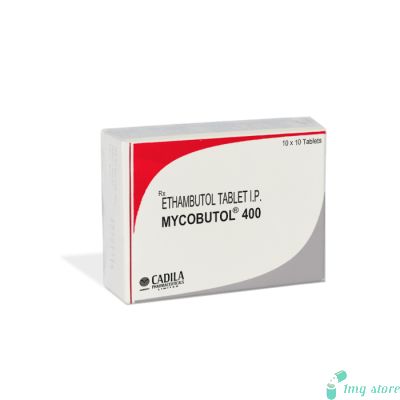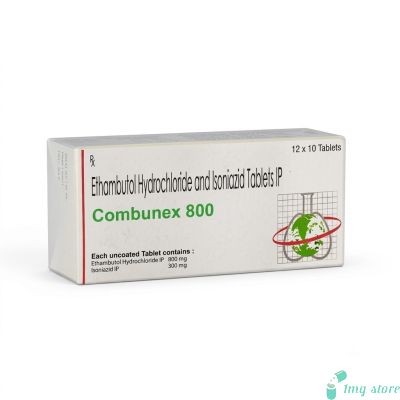
Combutol Tablet (Ethambutol) | Used to Treat Tuberculosis (TB)
Combutol Tablet contains Ethambutol, an antitubercular medicine used as part of combination treatment for tuberculosis (TB). It works against actively growing Mycobacterium tuberculosis and helps prevent the bacteria from multiplying. Ethambutol should be taken only as prescribed and should not be used alone for the treatment of tuberculosis.


Product Overview
Combutol Tablet is an oral antitubercular medicine containing Ethambutol. It is generally used as one component of a combination treatment for tuberculosis rather than as a single medicine. The official prescribing information indicates that ethambutol is effective against actively growing Mycobacterium tuberculosis.
Key Points
- Contains Ethambutol
- Belongs to the antitubercular medicine group
- Used as part of combination treatment for tuberculosis
- Helps slow the growth of TB-causing bacteria
- Supports other antitubercular medicines
- Should not be used alone for TB treatment
- Requires regular monitoring of vision
- Dose may need adjustment in kidney problems
Product Information
| Product Information | Details |
| Product Name | Combutol Tablet |
| Active Ingredient | Ethambutol |
| Drug Class | Antitubercular medicine |
| Therapeutic Category | Anti-infective |
| Main Use | Tuberculosis (TB) |
| Dosage Form | Tablet |
| Route of Administration | Oral |
How Does Combutol Tablet Work?
Ethambutol enters actively growing Mycobacterium cells and interferes with processes required for bacterial growth and multiplication. This inhibits the development of the bacteria and helps other antitubercular medicines control the infection.
Precaution
1. Use Only as Prescribed
Take Combutol exactly according to the treatment plan provided by your healthcare professuional. Do not change the dose or duration on your own.
2. Reglar Eye Monitoring
Ethambutol can affect vision and may cause optic neuritis. Vision should be assessed before treatment and periodically during therapy, particularly when higher doses are used.
3. Report Vision Changes
Tell your doctor promptly if you notice blurred vision, reduced visual sharpness, difficulty distinguishing colours, blind spots, or other changes in eyesight.
4. Previous Eye Problems
Inform your doctor if you have optic neuritis, cataracts, diabetic retinopathy, or another condition affecting vision. Existing eye problems can make treatment-related changes more difficult to identify.
5. Kidney Problems
Ethambutol is mainly eliminated through the kidneys. People with reduced kidney function may require a dose adjustment and closer monitoring.
6. Liver Monitoring
Liver toxicity has been reported with ethambutol therapy. Your healthcare professional may recommend liver-function monitoring during treatment.
7. Do Not Use Alone for TB
Combutol should not be used as the sole medicine for tuberculosis. It is prescribed with other appropriate antitubercular medicines.
Usage
Take Combutol Tablet exactly as prescribed by your healthcare professional. Ethambutol is generally administered orally once every 24 hours as part of a combination TB treatment regimen. The dose is determined according to body weight, treatment history, kidney function, and the overall tuberculosis treatment plan.
For the labeled adult regimen, the prescribing information describes 15 mg/kg once daily for initial treatment. For certain patients undergoing retreatment, 25 mg/kg once daily may be used initially, followed by a reduction to 15 mg/kg after 60 days. These are treatment-regimen doses and should not be used for self-dosing.
Uses
1. Pulmonary Tuberculosis
Combutol is used as part of combination treatment for pulmonary tuberculosis caused by susceptible Mycobacterium tuberculosis.
2. Combination TB Therapy
Ethambutol is used together with other antitubercular medicines because it should not be used alone for treating tuberculosis.
3. Supporting TB Treatment
By slowing the multiplication of tuberculosis-causing bacteria, ethambutol supports the overall action of the combination treatment regimen.
4. Initial TB Treatment
Ethambutol may be included in an initial tuberculosis treatment regimen alongside other appropriate antitubercular medicines.
Side Effects
Common Side Effects
- Nausea
- Vomiting
- Abdominal discomfort
- Loss of appetite
- Headache
- Dizziness
- Joint pain
Serious Side Effects
- Blurred or reduced vision
- Difficulty distinguishing colours
- Blind spots or visual-field changes
- Optic neuritis or optic neuropathy
- Severe allergic reaction
- Severe skin reaction
- Liver injury
FAQs
1. What is Combutol Tablet?
Combutol Tablet contains Ethambutol, an antitubercular medicine used as part of combination treatment for tuberculosis.
2. What is Combutol Tablet used for?
It is primarily used as part of a combination regimen for the treatment of pulmonary tuberculosis.
3. How does Combutol work?
Ethambutol interferes with processes required by Mycobacterium tuberculosis for growth and multiplication, helping slow the development of the bacteria.
4. Can Combutol be used alone for tuberculosis?
No. Ethambutol should not be used as the sole antitubercular medicine. It is prescribed with other appropriate TB medicines.
5. Why are eye tests important during Combutol treatment?
Ethambutol can cause optic neuritis and other visual problems. Baseline and periodic vision assessments help identify treatment-related changes early.
6. What vision changes should I report?
Report blurred vision, reduced visual sharpness, difficulty distinguishing colours, blind spots, or any other new change in eyesight promptly.
7. Can Combutol affect the kidneys?
Ethambutol is mainly eliminated through the kidneys. People with reduced kidney function may require a lower or adjusted dose and closer monitoring.
Interactions
1. Aluminum Hydroxide-Containing Antacids
Antacids containing aluminum hydroxide can reduce the absorption of ethambutol. The prescribing information recommends avoiding concurrent administration and separating ethambutol from these antacids by at least 4 hours.
2. Other Antitubercular Medicines
Ethambutol is commonly used with other tuberculosis medicines. The combination should be selected by a healthcare professional according to the treatment regimen and bacterial susceptibility.
3. Medicines Affecting Kidney Function
Because ethambutol is primarily eliminated through the kidneys, medicines or conditions that affect kidney function may require additional monitoring or dose adjustment.
4. Medicines That May Affect Vision
Tell your doctor about medicines that may affect the eyes or vision. This is particularly important because ethambutol itself can cause visual toxicity and monitoring may be needed.
5. Medicines for Gout or Increased Uric Acid
Ethambutol may increase serum uric acid and can precipitate acute gout in some patients. Inform your doctor if you have gout or take medicines to control uric acid levels.
6. Prescription and Over-the-Counter Medicines
Always inform your doctor or pharmacist about all prescription medicines, OTC products, vitamins, and supplements you take before starting Combutol.
| Manufacturer | : | Lupin Ltd. |
| Equivalent Brand | : | Myambutol |
| Generic Search | : | Ethambutol |
Latest Products