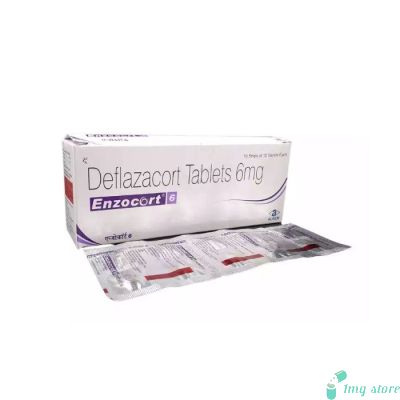
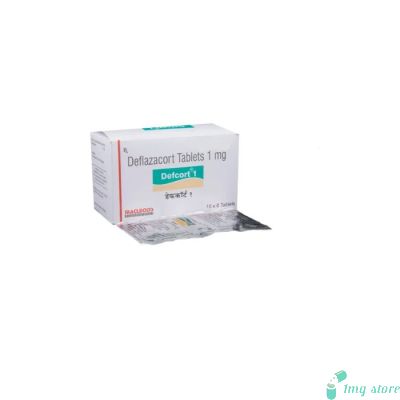
Defsure Tablet (Deflazacort): Corticosteroid Tablet | For Inflammatory Conditions, Autoimmune Disorders & Severe Allergy Management
Defsure Tablet contains deflazacort, a corticosteroid that helps reduce inflammation and regulate the body's immune response. It is prescribed for certain inflammatory and autoimmune conditions and may also be used in specific cases of Duchenne muscular dystrophy. The dosage and duration depend on the condition being treated and your healthcare professional’s advice.


Product Overview
Defsure Tablet contains deflazacort, a corticosteroid medicine that helps control inflammation and manage an overactive immune response. Depending on the prescribed dose and condition, it may be used for certain inflammatory, allergic, and autoimmune conditions, as well as specific muscle-related disorders. By reducing inflammation, Defsure may help ease discomfort and support everyday activities when used as part of a healthcare professional's treatment plan.
How Does Defsure Tablet Work?
When the body responds to an illness or irritation, its immune system may release substances that cause inflammation. Deflazacort helps regulate this response, reducing swelling, redness, and other inflammation-related symptoms. This allows the body to manage certain conditions more effectively.
Understanding Its Role in the Body
Defsure helps control symptoms associated with particular medical conditions rather than treating every underlying cause. Its role depends on why it has been prescribed, and the dose and duration are tailored to individual needs.
Expected Results
Improvement depends on the condition being treated, the prescribed dose, and the individual's response. Some symptoms may improve sooner than others. Continue taking Defsure as directed, even if you begin feeling better, unless your healthcare professional advises a change.
Pharmacokinetics: How the Body Processes It
After oral administration, deflazacort is converted into an active form that produces its effects. The body processes this substance mainly through the liver and gradually eliminates its breakdown products. Individual factors and other medicines may affect how the body handles treatment.
Clinical Considerations
- Blood sugar: Defsure may increase blood glucose levels, particularly in people with diabetes.
- Infection awareness: It can reduce the body's ability to respond to infections, so report unusual symptoms to your healthcare professional.
- Stomach health: Inform your healthcare professional about any history of stomach ulcers or digestive problems.
- Long-term use: Prolonged treatment may affect bone strength, eye health, and the body's natural production of corticosteroids.
- Stopping treatment: Do not stop taking Defsure suddenly after regular or prolonged use. The dose may need to be reduced gradually under medical supervision.
- Other medicines: Share your current medicines and supplements with your healthcare professional to help prevent unwanted interactions.
Storage Instructions
Store Defsure Tablets in their original packaging in a cool, dry place, away from direct sunlight and moisture. Keep them out of reach of children and follow the storage instructions printed on the product pack.
Conclusion
Defsure Tablet helps manage inflammation by regulating the body's immune response. Taking it exactly as prescribed and following your healthcare professional's advice can help support effective treatment while reducing the risk of unwanted effects.
Precautions
Before starting treatment, it is important to understand the precautions and follow your healthcare professional's instructions, as this medicine may affect the body's natural defences and other functions.
Before You Start
Consult your healthcare professional: Discuss whether Defsure is suitable for your condition and medical history.
Mention existing health conditions: Inform your doctor if you have diabetes, high blood pressure, osteoporosis, stomach problems, or liver or kidney issues.
Report infections: Tell your doctor if you have an ongoing infection or have recently been exposed to chickenpox, measles, or tuberculosis.
Discuss other medicines: Mention all medicines and supplements you take, especially other corticosteroids and medicines that affect blood sugar or immunity.
Pregnancy and breastfeeding: Seek medical advice before using Defsure if you are pregnant, planning pregnancy, or breastfeeding.
While Using It
Follow the prescribed dose: Take Defsure exactly as directed. Do not change the dose yourself.
Take it as instructed: Follow your doctor's advice about when and how to take the tablet, including whether to take it with food.
Do not stop suddenly: If you have been taking it regularly, your doctor may need to reduce the dose gradually.
Watch for signs of infection: Contact your doctor if you develop a fever, persistent cough, or other unusual symptoms.
Monitor blood sugar and blood pressure: Regular checks may be needed, particularly during prolonged treatment.
Avoid self-medication: Do not start new medicines or receive vaccines without discussing them with your healthcare professional.
When to Seek Medical Help
Possible infection: Seek medical advice if you develop symptoms of an infection, as corticosteroids can sometimes mask its signs.
Unusual changes: Report significant mood changes, vision problems, swelling, or persistent stomach discomfort.
Severe symptoms: Seek urgent medical attention for severe abdominal pain, difficulty breathing, or signs of a serious allergic reaction.
Note:
Defsure Tablet should be used under medical supervision. The precautions may vary depending on the dose and duration of treatment. Keep follow-up appointments and never stop long-term treatment abruptly without medical advice.
Usage
Follow your doctor's advice: Take Defsure Tablet (Deflazacort) exactly as prescribed, following the recommended dose and schedule.
Take it as directed: Taking the tablet with food may help reduce stomach discomfort. Follow your healthcare professional's instructions about when to take it.
Missed a dose? Take it when you remember, unless it is nearly time for your next dose. Do not double the dose to make up for a missed one.
Never stop suddenly: If you have been taking Defsure regularly for a prolonged period, your doctor may need to reduce the dose gradually. Do not stop it on your own.
Share your health history: Tell your doctor if you have diabetes, high blood pressure, osteoporosis, an active infection, or any other ongoing health condition.
Check other medicines: Inform your doctor about all medicines and supplements you take to help avoid unwanted interactions.
Keep track of changes: Report unusual swelling, mood changes, signs of infection, or changes in blood sugar levels to your healthcare professional.
Uses
Defsure Tablet is prescribed for certain inflammatory and immune-related conditions. Its use depends on the diagnosis, symptom severity, and the treatment plan recommended by your doctor.
Inflammatory conditions: Helps manage inflammation associated with certain medical conditions.
Immune-related conditions: May be prescribed when the immune system needs to be controlled as part of treatment.
Muscle-related conditions: Deflazacort may be used in certain muscular disorders, including Duchenne muscular dystrophy, under specialist supervision.
Symptom management: By controlling inflammation and immune activity, it may help reduce related symptoms and support the overall treatment plan.
Note: Defsure should be used under medical supervision because prolonged use may increase the risk of infections, raised blood sugar, bone weakness, and other unwanted effects. The dose and duration depend on your condition, so follow your doctor's instructions carefully.
Conclusion: Defsure Tablet may help manage specific inflammatory and immune-related conditions when used appropriately. Regular follow-up and taking it exactly as prescribed can help support safer treatment.
Side Effects
Defsure Tablet contains deflazacort, a corticosteroid medicine that helps reduce inflammation and manage certain conditions. Like any medicine, it may cause side effects in some people, depending on the dose, duration of treatment, and individual response. Not everyone will experience them.
Common Side Effects
Increased appetite: You may feel hungrier than usual while taking the medicine.
Weight gain: Some people may notice changes in body weight, especially with longer treatment.
Stomach discomfort: You may experience indigestion or an uncomfortable feeling in your stomach.
Mood changes: You might feel more irritable, restless, or emotional than usual.
Sleep difficulties: Falling asleep or staying asleep may become harder.
Increased blood sugar: Deflazacort may raise blood sugar levels, particularly in people with diabetes.
Serious Side Effects
Signs of infection: You may develop an infection more easily, and some usual signs may be less noticeable.
Vision changes: Blurred vision or other unusual changes should be checked by a healthcare professional.
Unusual swelling: Noticeable swelling in the face, hands, feet, or ankles should be discussed with your doctor.
Severe mood changes: Significant changes in mood, behaviour, or thinking require prompt medical attention.
Severe allergic reactions: Swelling of the face or throat, or difficulty breathing, requires emergency care.
Note: Take Defsure Tablet exactly as prescribed. Taking it with food may help reduce stomach discomfort. Do not stop taking it suddenly, especially after prolonged use, as the dose may need to be reduced gradually under medical supervision. Inform your doctor about other medicines you take and seek medical advice if side effects persist or worsen.
FAQs
1. What is Defsure Tablet used for?
Defsure Tablet contains deflazacort, a corticosteroid that helps manage inflammation and an overactive immune response in certain medical conditions, as prescribed by a doctor.
2. How does Defsure Tablet work?
Deflazacort works by reducing inflammation and calming excessive immune system activity, which may help ease swelling, discomfort, and other symptoms.
3. How should Defsure Tablet be taken?
Take Defsure Tablet exactly as prescribed by your doctor. Follow the recommended dose and schedule, and take it with food if advised.
4. What are the common side effects of Defsure Tablet?
Possible side effects include increased appetite, weight gain, stomach discomfort, mood changes, and difficulty sleeping. Side effects can vary from person to person.
5. Can Defsure Tablet be stopped suddenly?
No. If you have been taking it regularly, stopping suddenly may cause problems because your body may need time to adjust. Your doctor will guide you on reducing the dose safely.
6. Should Defsure Tablet be taken with food?
Taking Defsure Tablet with food may help reduce stomach discomfort. Follow the instructions provided by your doctor or pharmacist.
7. Can Defsure Tablet increase the risk of infections?
Yes. Deflazacort can weaken the body's ability to fight infections. Tell your doctor if you develop a fever, persistent cough, or other signs of infection.
8. Can Defsure Tablet affect blood sugar levels?
Yes. Deflazacort may increase blood sugar levels, so people with diabetes or those at risk of diabetes may need closer monitoring during treatment.
9. Can Defsure Tablet be taken with other medicines?
Some medicines can interact with deflazacort, including certain antifungal medicines, antibiotics, and other corticosteroids. Inform your doctor about all medicines and supplements you take.
10. What precautions should I follow while taking Defsure Tablet?
Take it only as prescribed, attend follow-up appointments, and do not change the dose on your own. Inform your doctor about existing health conditions, ongoing infections, or any unusual symptoms.
Interactions
Defsure Tablet contains deflazacort, a corticosteroid medicine used to help manage certain inflammatory conditions. When taken with other medicines, it may affect how they work or increase the chance of side effects. To help keep your treatment safe, let your healthcare professional know about all medicines, supplements, and herbal products you use.
1. Pain-Relief Medicines
Certain pain relievers, such as ibuprofen and aspirin, may increase the risk of stomach irritation when used with deflazacort.
Check with your healthcare professional before taking them together.
2. Medicines for Diabetes
Deflazacort may raise blood sugar levels and affect how well diabetes medicines work.
Your healthcare professional may recommend closer blood sugar monitoring.
3. Vaccines
Some vaccines, particularly live vaccines, may not be suitable during treatment with corticosteroids.
Ask your healthcare professional before receiving any vaccine.
4. Antibiotics and Antifungal Medicines
Medicines such as clarithromycin and ketoconazole may affect deflazacort levels in the body.
Always check before using these medicines together.
5. Medicines for Epilepsy
Medicines such as carbamazepine and phenytoin may reduce the effects of deflazacort.
Tell your healthcare professional if you take treatment for seizures.
6. Blood-Thinning Medicines
Deflazacort may affect how certain blood-thinning medicines work.
Your healthcare professional may need to monitor you more closely.
Tips to Avoid Interactions
Keep your healthcare professional informed about all medicines and supplements you take.
Check before starting any new medicine, even one available without a prescription.
Do not change your dose or stop Defsure suddenly without medical advice, especially after regular use.
Note: The risk of interactions depends on your medicines, dosage, and health condition. Take Defsure Tablet exactly as prescribed and ask your healthcare professional if you are unsure about combining it with another medicine.
| Manufacturer | : | Zuventus Healthcare Ltd |
| Equivalent Brand | : | Emflaza |
| Generic Search | : | Deflazacort |
Latest Products