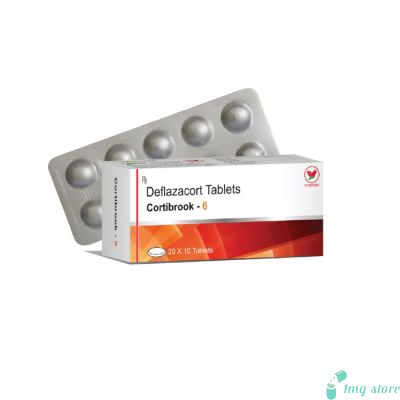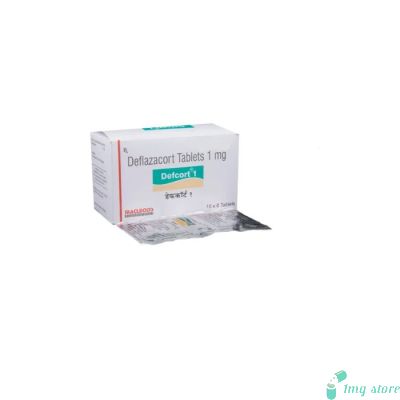
Asteride Tablet (Deflazacort): Corticosteroid Tablet | For Inflammatory Conditions, Autoimmune Disorders & Severe Allergy Management
Asteride Tablet contains deflazacort, a corticosteroid that helps reduce inflammation and regulate the body's immune response. It may be prescribed for certain inflammatory, allergic, and autoimmune conditions, as well as specific muscle disorders. The dosage and duration depend on the condition being treated, so take it as directed by your healthcare professional and do not stop it suddenly without medical advice.


Product Overview
Asteride Tablet contains deflazacort, a corticosteroid medicine that helps control inflammation and manage an overactive immune response. It may be prescribed for certain conditions involving inflammation, swelling, or muscle weakness, depending on the patient's needs. By reducing the body's inflammatory response, Asteride can help ease symptoms and support better day-to-day comfort.
How Does Asteride Tablet Work?
When the body reacts to an illness or condition, the immune system may release substances that cause inflammation. Deflazacort helps regulate this response, reducing inflammation and related symptoms. Its effects depend on the condition being treated and the prescribed dose.
Understanding Its Role in the Body
Asteride helps manage symptoms associated with certain inflammatory and immune-related conditions. It may improve comfort and everyday functioning, but it does not cure every underlying condition. The dose and duration of treatment are decided by a healthcare professional.
Expected Results
Improvement depends on the condition and individual response. Some symptoms may ease within a few days, while other conditions require longer treatment. Take the medicine as prescribed, and do not increase, reduce, or stop the dose on your own.
Pharmacokinetics: How the Body Processes It
After oral administration, deflazacort is converted into its active form, which circulates through the bloodstream and produces its effects. The body then breaks it down further, with its breakdown products eliminated mainly through urine.
Clinical Considerations
Blood sugar: Deflazacort may increase blood glucose levels, so monitoring may be necessary, especially for people with diabetes.
Infection awareness: It can reduce some immune responses, making it important to report signs of infection to your healthcare professional.
Bone and muscle health: Long-term use may affect bone strength and muscle function.
Medicine interactions: Inform your healthcare professional about all medicines and supplements you take.
Safe use: Follow the prescribed dose. If you have taken it regularly for an extended period, do not stop suddenly without medical guidance.
Pregnancy and breastfeeding: Seek medical advice before using Asteride if you are pregnant, planning a pregnancy, or breastfeeding.
Storage Instructions
Store Asteride Tablets according to the instructions on the product packaging. Keep them in a dry place, away from excessive heat and moisture, and out of children's reach.
Conclusion
Asteride Tablet helps control inflammation and regulate the body's immune response when prescribed for suitable conditions. Follow your healthcare professional's instructions carefully and attend recommended follow-up appointments to support safe and effective treatment.
Precautions
Asteride Tablet contains deflazacort, a corticosteroid medicine that helps control inflammation and regulate the body's immune response. It can be useful for certain medical conditions, but taking it correctly is important to reduce the risk of unwanted effects. Always follow your healthcare professional's advice.
Before You Start
Discuss your health history: Tell your doctor if you have diabetes, high blood pressure, liver or kidney problems, or a history of stomach ulcers.
Mention infections: Inform your doctor if you have an ongoing infection or have recently been exposed to an infectious illness.
Share your current medicines: Report all medicines and supplements you take to help prevent unwanted interactions.
Discuss pregnancy or breastfeeding: Ask your doctor whether this medicine is suitable for you.
Check your vaccination plans: Tell your doctor before receiving any vaccine, especially a live vaccine.
While Using It
Follow the prescribed dose: Take Asteride exactly as directed. Do not change the dose on your own.
Take it as advised: Follow your doctor's instructions about when and how to take the tablet.
Do not stop suddenly: After regular use, stopping abruptly may cause problems. Your doctor may gradually reduce the dose.
Monitor blood sugar: Deflazacort can raise blood glucose levels, particularly in people with diabetes.
Watch for signs of infection: Contact your doctor if you develop a fever or other unusual symptoms, as this medicine can make infections harder to recognise.
Attend follow-up appointments: Regular monitoring may be needed, especially during prolonged treatment.
When to Seek Medical Help
Unusual symptoms: Report persistent stomach discomfort, swelling, mood changes, or changes in vision.
Possible infection: Seek medical advice if you develop a fever or symptoms that worsen unexpectedly.
Serious reactions: Get urgent medical help for severe abdominal pain, breathing difficulties, or significant changes in vision.
Note:
Asteride Tablet should be taken only as prescribed. The precautions may vary depending on your condition, dose, and duration of treatment. Never increase the dose or stop regular treatment without consulting your healthcare professional.
Usage
Follow your doctor's instructions: Take Asteride Tablet (Deflazacort) exactly as prescribed, including the recommended dose and duration.
Take it as directed: Follow your doctor's advice about taking it with food to help manage possible stomach discomfort.
Missed a dose? Take it when you remember unless it is nearly time for your next dose. Never double the dose to make up for a missed one.
Don't stop suddenly: If you have been taking this medicine regularly for a prolonged period, your doctor may need to reduce the dose gradually. Stopping suddenly can cause problems.
Share your health history: Inform your doctor about diabetes, high blood pressure, infections, or other medical conditions before starting treatment.
Check other medicines: Let your doctor know about all medicines and supplements you take to help prevent unwanted interactions.
Watch for changes: Contact your doctor if you notice unusual swelling, mood changes, signs of infection, or changes in blood sugar levels.
Uses
Asteride Tablet is prescribed for certain inflammatory and immune-related conditions where reducing the body's inflammatory response can help manage symptoms.
Inflammatory conditions: Helps reduce inflammation and associated discomfort in conditions that respond to corticosteroid treatment.
Autoimmune conditions: May be prescribed when an overactive immune response contributes to tissue inflammation.
Muscle-related conditions: Deflazacort may be used for Duchenne muscular dystrophy in eligible patients, depending on the prescribed treatment plan.
Allergic conditions: May be recommended for certain severe allergic or inflammatory reactions when a corticosteroid is appropriate.
Individualised treatment: The condition being treated, dose, and duration depend on the patient's needs and the doctor's assessment.
Note: Asteride should be taken only under medical supervision. Longer use may increase the risk of infections, changes in blood sugar, and bone weakness. Do not change your dose or stop treatment without consulting your doctor.
Conclusion
Asteride Tablet may help manage conditions involving inflammation or an overactive immune response. Following the prescribed schedule and attending regular check-ups can help support safer treatment.
Side Effects
Asteride Tablet contains deflazacort, a corticosteroid medicine used to help manage certain conditions involving inflammation and immune system activity. Like any medicine, it may cause side effects in some people, although not everyone experiences them. The effects can depend on the dose, duration of treatment, and individual response.
Common Side Effects
Increased appetite: You may feel hungrier than usual while taking the medicine.
Stomach discomfort: You may experience indigestion or an upset stomach.
Weight changes: Some people may notice changes in their weight during treatment.
Mood changes: You may feel more restless, irritable, or emotional than usual.
Sleep difficulties: You might find it harder to fall asleep or maintain your usual sleep routine.
Fluid retention: Mild swelling or puffiness may occur in some people.
Changes in blood sugar: Deflazacort may increase blood sugar levels, particularly in people with diabetes.
Side Effects That Need Medical Attention
Signs of infection: Fever, a persistent cough, or feeling unusually unwell should be discussed with your doctor, as deflazacort can make infections harder to recognize.
Vision changes: Blurred vision or other unusual changes in eyesight require medical assessment.
Significant mood changes: Severe restlessness, unusual behaviour, or major changes in mood should not be ignored.
Severe stomach pain: Persistent or intense abdominal pain needs prompt medical attention.
Unusual swelling or weakness: Significant swelling or marked muscle weakness should be assessed by a healthcare professional.
FAQs
1. What is Asteride Tablet used for?
Asteride Tablet contains deflazacort, a corticosteroid that helps reduce inflammation and manage certain conditions involving an overactive immune response, as prescribed by a doctor.
2. How does Asteride Tablet work?
Deflazacort works by calming the body's inflammatory response, helping reduce swelling and other symptoms associated with certain medical conditions.
3. How should Asteride Tablet be taken?
Take Asteride Tablet exactly as prescribed by your doctor. Follow the recommended dose and timing, and take it with food if advised to help reduce stomach discomfort.
4. What are the common side effects of Asteride Tablet?
Some people may experience increased appetite, weight gain, stomach discomfort, mood changes, or difficulty sleeping. Contact your doctor if these effects persist or become troublesome.
5. Can Asteride Tablet be taken for a long time?
Long-term use may be necessary for certain conditions, but it requires medical supervision because the medicine can affect bones, blood sugar, blood pressure, and the body's natural steroid production.
6. Can Asteride Tablet be stopped suddenly?
No. If you have been taking it regularly for a prolonged period, stopping suddenly may cause problems. Your doctor may gradually reduce the dose to help your body adjust safely.
7. Can Asteride Tablet be taken with other medicines?
It may interact with medicines for diabetes, blood thinners, certain antibiotics, and other treatments. Tell your doctor about all medicines and supplements you take.
8. Is Asteride Tablet safe for people with diabetes or high blood pressure?
People with diabetes or high blood pressure should use it under medical supervision because deflazacort may increase blood sugar or affect blood pressure.
9. Can Asteride Tablet affect the body's ability to fight infections?
Yes. Deflazacort can weaken the immune response, making infections more likely or harder to recognise. Inform your doctor if you develop signs of infection, and seek advice before receiving live vaccines.
10. What precautions should I follow while taking Asteride Tablet?
Take it only as prescribed, attend recommended follow-ups, and avoid close contact with people who have contagious infections when possible. Inform your doctor about any existing health conditions, and seek medical advice if you notice unusual symptoms.
Interactions
Asteride Tablet contains deflazacort, a corticosteroid that helps manage inflammation and regulate the body's immune response. When taken with certain medicines, it may affect how they work or increase the chance of side effects. Before starting Asteride, let your healthcare professional know about all the medicines and supplements you use.
1. Pain-Relief Medicines
Some pain-relief medicines, such as ibuprofen and aspirin, may increase the risk of stomach irritation when combined with deflazacort.
Check with your healthcare professional before using them together.
2. Medicines for Diabetes
Deflazacort may increase blood sugar levels and affect how well diabetes medicines work.
Your healthcare professional may recommend closer blood sugar monitoring.
3. Vaccines
Certain live vaccines may not be suitable during treatment because deflazacort can affect the body's immune response.
Tell your healthcare professional if you are due for any vaccination.
4. Antibiotics and Antifungal Medicines
Medicines such as rifampicin and ketoconazole may affect the way deflazacort is processed in the body.
Your healthcare professional may need to adjust your treatment or monitor you more closely.
5. Other Corticosteroids
Taking deflazacort with other steroid medicines may increase the risk of side effects.
Make sure your healthcare professional knows if you use any other steroid tablets, injections, inhalers, or creams.
6. Medicines That Affect the Immune System
Some immune-suppressing medicines may increase the risk of infections or other side effects when combined with deflazacort.
Use these medicines together only with appropriate medical supervision.
Tips to Avoid Interactions
Keep your healthcare professional informed about all medicines, supplements, and herbal products you use.
Follow the prescribed dose and attend recommended check-ups.
Do not stop Asteride suddenly or change your dose without medical advice, especially after regular use.
Note: Not every combination causes a problem, but some require extra care. Always check with your healthcare professional before adding a new medicine while taking Asteride Tablet.
| Manufacturer | : | Dr. Reddy's Laboratories Ltd. |
| Equivalent Brand | : | Emflaza |
| Generic Search | : | Deflazacort |
Latest Products