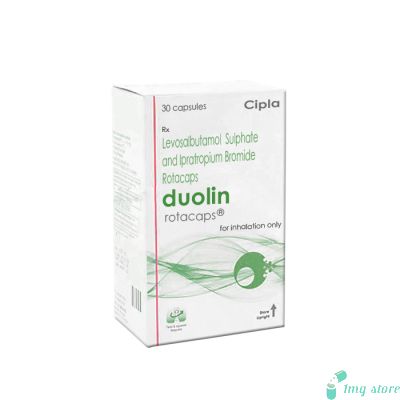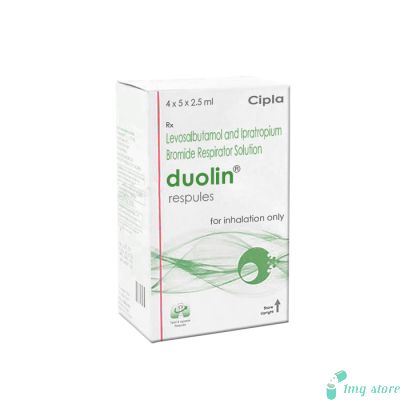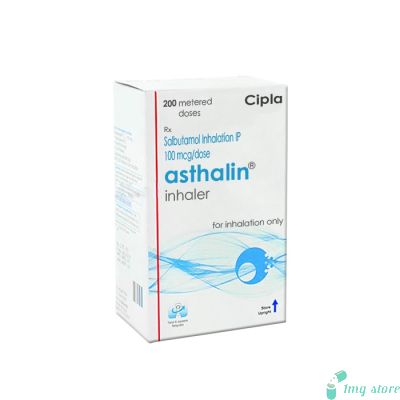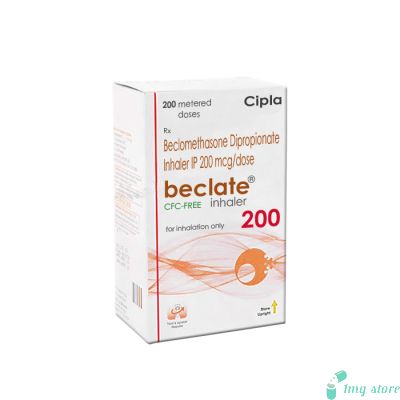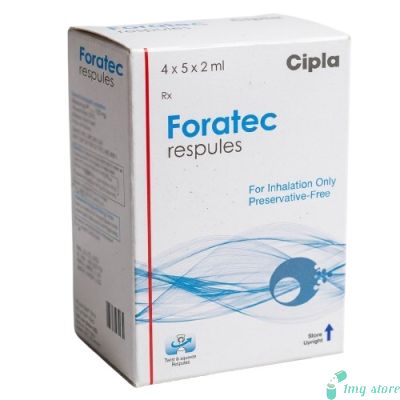
Duolin Inhaler (Levosalbutamol + Ipratropium) for COPD, Asthma, Wheezing and Breathing Difficulties
Duolin Inhaler contains Levosalbutamol 50 mcg and Ipratropium 20 mcg. It is a combination bronchodilator that helps relax the airway muscles and improve airflow. It is used to manage breathing difficulties, wheezing, and chest tightness associated with obstructive airway conditions such as COPD.


Product Overview
Duolin Inhaler is a combination respiratory medicine manufactured by Cipla Ltd. It contains two bronchodilators, Levosalbutamol and Ipratropium, which work through different mechanisms to help open narrowed airways.
Levosalbutamol relaxes the muscles surrounding the airways by stimulating beta-2 receptors, while Ipratropium helps prevent airway narrowing by blocking the action of acetylcholine. Together, these ingredients help improve airflow and reduce breathing discomfort.
The inhaler is used in the management of obstructive respiratory conditions, particularly COPD, when a combination of bronchodilators is required.
Product Specifications
| Specification | Details |
| Product Name | Duolin Inhaler |
| Active Ingredients | Levosalbutamol + Ipratropium |
| Strength | 50 mcg + 20 mcg per actuation |
| Drug Class | Combination Bronchodilator |
| Dosage Form | Metered-Dose Inhaler |
| Route of Administration | Oral Inhalation |
| Main Use | Management of bronchospasm associated with obstructive airway conditions |
How Does Duolin Inhaler Work? (Pharmacodynamics)
Duolin Inhaler works through the combined action of two bronchodilators:
1. Levosalbutamol
Levosalbutamol is a short-acting beta-2 adrenergic agonist. It stimulates beta-2 receptors in the smooth muscles surrounding the airways. This increases cyclic AMP levels inside the cells, helping the muscles relax and widening the bronchial passages.
2. Ipratropium
Ipratropium is an anticholinergic bronchodilator. It blocks muscarinic receptors in the airways, reducing the effects of acetylcholine, a chemical messenger involved in airway muscle contraction.
Together, these ingredients help reduce bronchospasm and make breathing easier.
Understanding Its Role in the Respiratory System
In conditions such as COPD, the airways may become narrowed due to muscle tightening, inflammation, and excess mucus production. This can make it difficult for air to move in and out of the lungs.
Duolin Inhaler addresses airway narrowing through two different mechanisms. Levosalbutamol relaxes the airway muscles, while Ipratropium reduces nerve-related signals that cause them to contract.
This combined action helps improve airflow and manage symptoms such as wheezing, chest tightness, and breathlessness.
Expected Results
- Helps relax narrowed airway muscles.
- Supports improved airflow through the lungs.
- Helps reduce wheezing and chest tightness.
- Supports relief from bronchospasm.
- Helps manage breathing discomfort associated with obstructive airway conditions.
The response may vary depending on the respiratory condition and its severity. The inhaler may provide bronchodilator effects relatively quickly, but it does not treat the underlying inflammation associated with asthma or replace other prescribed respiratory treatments.
Pharmacokinetics: How the Body Processes It
- Absorption: After inhalation, both ingredients are delivered directly to the respiratory tract. Some amount may be absorbed through the lungs, while a portion may be swallowed and pass through the digestive system.
- Distribution: Levosalbutamol enters the bloodstream after absorption and is distributed throughout the body. Ipratropium primarily produces its effects locally in the respiratory tract, with limited systemic absorption.
- Metabolism: Levosalbutamol undergoes metabolism through processes including conjugation. Ipratropium undergoes limited metabolism after systemic absorption.
- Elimination: Levosalbutamol and its metabolites are eliminated mainly through urine. Absorbed Ipratropium and its metabolites are also eliminated through urine, while some unabsorbed medicine may pass through the digestive tract.
Storage Instructions
- Store below 30°C or according to the product packaging.
- Protect the inhaler from direct sunlight and excessive heat.
- Do not puncture or burn the pressurised canister.
- Do not expose it to freezing temperatures.
- Keep the mouthpiece clean and replace the protective cap after use.
- Keep it out of reach of children.
Precautions
Before using the Duolin Inhaler, consider the following precautions:
Medical Guidance: Use the inhaler according to your doctor's instructions and do not change the dose independently.
Heart Conditions: Inform your doctor if you have heart disease, an irregular heartbeat, or high blood pressure.
Glaucoma: Avoid spraying the medicine into your eyes, particularly if you have narrow-angle glaucoma.
Urinary Problems: Inform your doctor if you have an enlarged prostate or difficulty passing urine.
Diabetes: Levosalbutamol may affect blood glucose levels, so monitoring may be required.
Thyroid Disorders: Tell your doctor if you have an overactive thyroid.
Low Potassium: Inform your doctor if you have a history of low potassium levels.
Allergies: Tell your doctor if you have experienced an allergic reaction to either active ingredient.
Pregnancy and Breastfeeding: Consult your doctor before using the inhaler during pregnancy or breastfeeding.
Other Respiratory Medicines: Inform your doctor about all other inhalers and nebuliser medicines you use.
Sudden Breathing Difficulty: Follow your prescribed emergency treatment plan if you experience a sudden or severe breathing attack.
Usage
Remove the protective cap from the mouthpiece.
Check that the mouthpiece is clean and free from dust or foreign particles.
Shake the inhaler well before use.
Breathe out gently before placing the mouthpiece between your lips.
Press the canister while breathing in slowly and deeply through your mouth.
Hold your breath briefly, if comfortable, before breathing out slowly.
If another inhalation is prescribed, follow the recommended interval and repeat the process.
Replace the mouthpiece cap after use.
Clean the inhaler according to the manufacturer's instructions.
Uses
Duolin Inhaler may be prescribed for:
Chronic Obstructive Pulmonary Disease (COPD): Helps manage airway narrowing and breathing difficulties associated with COPD.
Bronchospasm: Helps relax tightened airway muscles and improve airflow.
Wheezing: Helps reduce wheezing caused by narrowed air passages.
Breathlessness: Supports relief from breathing discomfort associated with bronchoconstriction.
Airway Obstruction: Helps improve airflow in patients who require the combined action of two bronchodilators.
Side Effects
Duolin Inhaler may cause side effects related to its bronchodilator action. Their intensity can vary depending on the dose, duration of use, and individual response.
Possible Side Effects
Dry mouth
Headache
Tremors or shaking
Cough
Dizziness
Palpitations
Increased heart rate
Muscle cramps
Nervousness
Less Common but Important Reactions
Irregular heartbeat
Low potassium levels
Blurred vision
Increased eye pressure
Difficulty passing urine
Allergic reactions
Paradoxical bronchospasm, where breathing becomes worse immediately after inhalation
How to Manage Side Effects
Drink water regularly if you experience mild dry mouth.
Follow the prescribed inhalation schedule.
Avoid using additional bronchodilators without medical advice.
Inform your doctor if tremors or palpitations persist.
Avoid spraying the medicine into your eyes.
Stop using the inhaler and seek medical advice if breathing suddenly worsens after inhalation.
When to Seek Medical Advice
Seek medical advice for persistent palpitations, blurred vision, difficulty passing urine, or worsening breathing. Get emergency help for severe chest pain, serious breathing difficulty, fainting, or facial swelling.
FAQs
1. What is Duolin Inhaler used for?
Duolin Inhaler is used to manage bronchospasm and breathing difficulties associated with obstructive respiratory conditions, particularly COPD.
2. What are the active ingredients in Duolin Inhaler?
It contains Levosalbutamol 50 mcg and Ipratropium 20 mcg per actuation.
3. How does Duolin Inhaler work?
It combines two bronchodilators. Levosalbutamol relaxes airway muscles, while Ipratropium blocks signals that cause airway muscles to contract.
4. Can Duolin Inhaler help with COPD?
Yes. It helps open narrowed airways and manage symptoms such as wheezing, chest tightness, and breathlessness associated with COPD.
5. Can Duolin Inhaler be used for asthma?
It may be prescribed in selected respiratory treatment plans. However, it does not replace inhaled corticosteroids or other prescribed asthma controller medicines.
6. How quickly does Duolin Inhaler work?
The bronchodilator effects may begin relatively quickly after inhalation. The response and duration can vary between individuals.
7. Can Duolin Inhaler cause a fast heartbeat?
Yes. Levosalbutamol may cause palpitations or an increased heart rate in some people.
8. Can Duolin Inhaler cause dry mouth?
Yes. Dry mouth is a possible side effect associated with Ipratropium.
9. Can Duolin Inhaler be used with other inhalers?
It may be prescribed with other respiratory medicines, but the combination should be reviewed by a doctor to avoid overlapping ingredients or unwanted effects.
Interactions
Duolin Inhaler may interact with certain medicines that affect the heart, nervous system, or airway muscles.
1. Beta-Blockers
Medicines such as propranolol may reduce the bronchodilator effect of Levosalbutamol.
Some beta-blockers may also cause airway narrowing in people with asthma.
2. Other Bronchodilators
Using additional beta-2 agonists may increase the risk of tremors, palpitations, and a rapid heartbeat.
Inform your doctor before combining Duolin with other inhalers or nebuliser solutions.
3. Diuretics
Certain water tablets, including furosemide and hydrochlorothiazide, may increase the risk of low potassium levels.
Your doctor may recommend monitoring potassium levels when these medicines are used together.
4. Digoxin
Levosalbutamol may affect blood levels of digoxin.
Medical monitoring may be required when both medicines are used together.
5. Antidepressants
Certain antidepressants, including tricyclic antidepressants and MAO inhibitors, may increase the cardiovascular effects of beta-2 agonists.
Inform your doctor if you are taking these medicines.
6. Other Anticholinergic Medicines
Combining Ipratropium with other anticholinergic medicines may increase effects such as dry mouth, blurred vision, or difficulty passing urine.
Use such combinations only after medical review.
Tips to Avoid Interactions
Inform your doctor about all medicines, inhalers, supplements, and herbal products you use.
Avoid using additional bronchodilators without medical advice.
Follow the recommended inhalation schedule.
Attend follow-up appointments if your doctor recommends heart or blood potassium monitoring.
| Manufacturer | : | Cipla Pharma, India |
| Equivalent Brand | : | Duolin |
| Generic Search | : | Levosalbutamol + Ipratropium Bromide |
Latest Products