Epofit Injection (Recombinant Human Erythropoietin Alfa) | For Anemia Management in Chronic Kidney Disease and Chemotherapy-Induced Anemia
Epofit Injection contains recombinant human erythropoietin alfa (epoetin alfa), a synthetic form of a hormone that stimulates red blood cell production in the bone marrow. It is used to manage anemia associated with chronic kidney disease and certain cancer treatments.


Product Overview
Epofit Injection contains recombinant human erythropoietin alfa (epoetin alfa) as its active ingredient. It is a biological medicine manufactured by Intas Pharmaceuticals Ltd that helps stimulate red blood cell production in the bone marrow. Epofit is available in different strengths, so the exact composition and concentration should be checked on the product packaging.
Red blood cells contain haemoglobin, a protein responsible for carrying oxygen from the lungs to tissues throughout the body. When the body does not produce enough red blood cells, haemoglobin levels may decrease, leading to anaemia. This can affect energy levels, physical stamina and the ability to carry out everyday activities.
Epofit Injection works by supporting the body's natural process of red blood cell formation. It is used in specific medical situations where increasing red blood cell production can help manage anaemia.
What Is Epofit Injection?
Epofit Injection belongs to a group of medicines known as erythropoiesis-stimulating agents (ESAs). These medicines act similarly to erythropoietin, a hormone naturally produced mainly by the kidneys. Erythropoietin signals the bone marrow to produce red blood cells.
The recombinant form of erythropoietin used in Epofit is produced through biotechnology. It helps support red blood cell formation when the body's natural erythropoietin activity is insufficient or when additional stimulation is needed for a specific medical condition.
The injection is used under medical supervision, with the treatment plan based on the person's health condition, haemoglobin levels and response to therapy.
Importance of Iron in Red Blood Cell Production
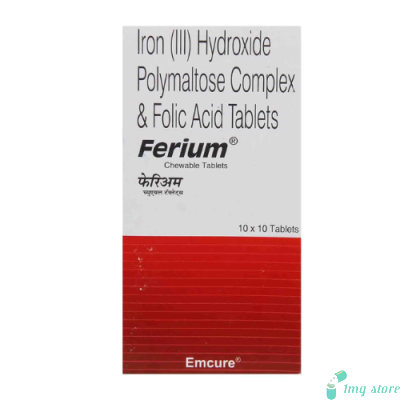
Iron is an essential component of haemoglobin. Even when Epofit Injection stimulates the bone marrow, the body needs sufficient iron to produce healthy red blood cells.
If iron stores are low, the response to epoetin alfa may be reduced. Healthcare professionals may evaluate iron status and other relevant laboratory results during treatment. Iron supplementation may be considered when a deficiency is identified.
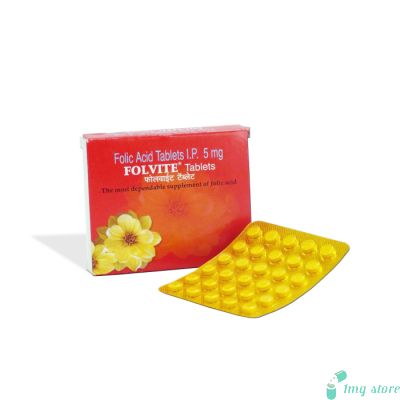
Other nutritional factors, including vitamin B12 and folate, may also influence red blood cell formation. Identifying and addressing underlying deficiencies can support appropriate management of anaemia.
Monitoring During Treatment
Monitoring is an important part of treatment with Epofit Injection because the response and appropriate dose can differ between individuals.
Blood tests are used to evaluate haemoglobin levels and determine whether treatment is working as expected. Blood pressure may also be monitored during therapy. Additional tests may be needed to assess iron stores, kidney function and other factors related to anaemia.
The aim is to achieve an appropriate clinical response while avoiding an excessive rise in haemoglobin. The treatment schedule may be adjusted according to laboratory findings and the person's overall condition.
Storage and Handling
Epofit Injection generally requires storage in a refrigerator at 2°C to 8°C. It should not be frozen, and it must be protected and handled according to the instructions supplied with the specific product.
Before administration, the packaging, expiry date and appearance of the solution should be checked by the person responsible for handling the medicine. Any product that has been frozen, stored incorrectly or appears abnormal should be assessed according to the manufacturer's instructions.
Conclusion
Epofit Injection is an epoetin alfa-based medicine that supports red blood cell production by stimulating the bone marrow. It is used in selected cases of anaemia, particularly those associated with chronic kidney disease and certain cancer treatments. Its effect is assessed through haemoglobin measurements and other relevant clinical tests.
The exact strength, administration schedule and duration of treatment depend on the individual's condition and response. Medical supervision and appropriate laboratory monitoring are important for the effective use of Epofit Injection.
Precaution
Epofit Injection contains epoetin alfa, which stimulates red blood cell production. Appropriate precautions and regular monitoring help support its safe and effective use.
1. Regular Blood Monitoring
Haemoglobin levels should be checked regularly to assess the response to Epofit Injection and guide dose adjustments.
2. Blood Pressure Monitoring
Blood pressure should be monitored during treatment, as epoetin alfa may increase blood pressure in some individuals.
3. Iron Levels
Adequate iron levels are important for red blood cell production. Iron status should be evaluated before and during treatment when appropriate.
4. Existing Medical Conditions
Inform the healthcare professional about any history of high blood pressure, heart disease, stroke or blood clotting problems before starting treatment.
5. Pregnancy and Breastfeeding
Inform the healthcare professional if you are pregnant, planning pregnancy or breastfeeding so the suitability of treatment can be assessed.
6. Correct Administration
Epofit Injection should be administered according to the recommended medical schedule. Do not change the dose or frequency without professional guidance.
7. Storage Instructions
Store the injection according to the product label, generally at 2°C to 8°C. Do not freeze it, and avoid using a product that has been stored incorrectly.
8. Allergic Reactions
Inform a healthcare professional about any previous allergic reaction to epoetin alfa or similar medicines before treatment.
Usage
Epofit Injection contains epoetin alfa, a medicine that stimulates red blood cell production in the bone marrow. It is used to manage certain types of anaemia under medical supervision. The dose and administration schedule depend on the individual's condition and response to treatment.
How to Use Epofit Injection
Administration: It is given under the skin or into a vein by a qualified healthcare professional, depending on the treatment plan.
Dosage: The dose is determined according to body weight, haemoglobin levels and the underlying condition.
Monitoring: Regular blood tests help assess treatment response and guide dose adjustments.
Iron levels: Adequate iron is important for effective red blood cell production.
Missed dose: Contact your healthcare professional for instructions rather than taking an extra dose.
Uses
Epofit Injection contains epoetin alfa, a recombinant form of human erythropoietin that stimulates red blood cell production in the bone marrow. It is used to manage certain types of anaemia under medical supervision.
1. Anaemia Associated With Chronic Kidney Disease
Epofit Injection helps stimulate red blood cell production in people with chronic kidney disease who develop anaemia due to reduced erythropoietin production.
2. Chemotherapy-Associated Anaemia
It may be used to manage anaemia in selected patients receiving certain chemotherapy treatments, depending on their medical condition and treatment plan.
3. Support for Haemoglobin Levels
Epofit Injection promotes red blood cell formation, which can help improve haemoglobin levels when treatment is appropriate.
4. Support for Red Blood Cell Production
By stimulating the bone marrow, Epofit Injection helps the body produce more red blood cells when natural erythropoietin activity is insufficient.
Side Effects
Epofit Injection contains epoetin alfa, which stimulates red blood cell production. Like other medicines, it may cause side effects in some individuals. The effects can vary depending on the dose, medical condition and individual response.
Common Effects
1. Headache
Some individuals may experience headaches during treatment. Inform a healthcare professional if they persist or become severe.
2. High Blood Pressure
Epofit Injection may increase blood pressure. Regular monitoring is important throughout treatment.
3. Joint and Muscle Pain
Mild joint pain, muscle aches or body discomfort may occur in some individuals.
4. Fever
A temporary increase in body temperature may occur after administration. Seek medical advice if the fever persists.
5. Nausea
Some individuals may experience nausea or stomach discomfort during treatment.
FAQs
1. What is Epofit Injection used for?
Epofit Injection contains epoetin alfa, which stimulates red blood cell production and helps manage anaemia in certain medical conditions.
2. What is the active ingredient in Epofit Injection?
The active ingredient is epoetin alfa, a recombinant form of human erythropoietin.
3. How does Epofit Injection work?
It stimulates the bone marrow to produce more red blood cells, helping improve haemoglobin levels.
4. How is Epofit Injection administered?
It is administered under the skin or into a vein by a qualified healthcare professional, depending on the treatment plan.
5. How long does Epofit Injection take to work?
The response develops gradually over several weeks and varies according to the individual's condition.
6. Does Epofit Injection require blood tests?
Yes. Regular blood tests help monitor haemoglobin levels and assess the response to treatment.
7. How should Epofit Injection be stored?
It generally requires refrigeration at 2°C to 8°C. Follow the specific product label and do not freeze it.
8. Can Epofit Injection be self-administered?
Self-administration should only occur when specifically advised and proper training has been provided by a healthcare professional.
Interactions
Epofit Injection contains epoetin alfa, which stimulates red blood cell production. Inform your healthcare professional about all medicines, supplements, and treatments you are using to help reduce the risk of unwanted interactions.
1. Blood Pressure Medicines
Epofit Injection may increase blood pressure in some individuals. Blood pressure medicines may need review if readings change during treatment.
2. Iron Supplements
Iron supplements may be recommended when iron levels are low. Adequate iron supports the production of red blood cells and the response to epoetin alfa.
3. Other Medicines That Affect Blood Cell Production
Certain medicines and treatments can affect red blood cell production. Inform your healthcare professional about ongoing treatments so your response can be assessed appropriately.
4. Blood Thinners
If you take medicines that reduce blood clotting, inform your healthcare professional. Your overall treatment plan may require careful monitoring.
5. Vitamin and Mineral Supplements
Supplements containing iron, vitamin B12, or folic acid may affect red blood cell formation when a deficiency is present. Share your supplement details before starting treatment.
6. Other Injectable Medicines
Tell your healthcare professional about other injections or biological medicines you receive. This helps ensure that each treatment is appropriate for your condition.
Important: Do not start, stop, or change any medicine or supplement without consulting your healthcare professional.
| Manufacturer | : | Intas Pharmaceuticals Ltd. |
| Equivalent Brand | : | Epogen |
| Generic Search | : | Recombinant Human Erythropoietin Alfa |
Latest Products