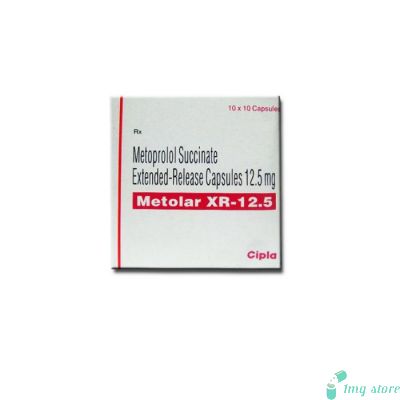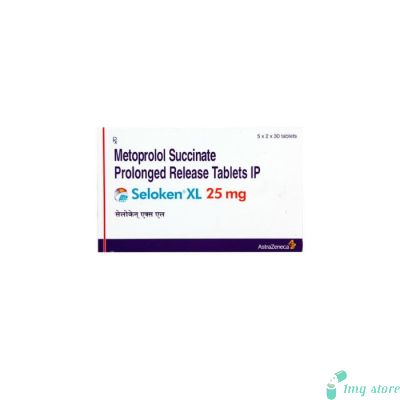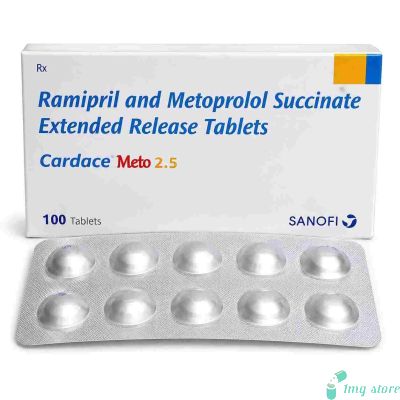
Metoprolol Succinate Tablets (Metoprolol Succinate) | Used for High Blood Pressure, Angina & Heart Failure
Metoprolol Succinate Tablets contain metoprolol succinate, a beta-blocker used to manage high blood pressure, angina, and certain types of heart failure. It works by slowing the heart rate and reducing the workload on the heart.


Product Overview
Metoprolol Succinate is an extended-release beta-adrenergic blocker used in the management of hypertension, angina pectoris, and heart failure. It reduces the effects of certain stress hormones on the heart, helping slow the heart rate and reduce the force with which the heart pumps.
By lowering heart rate and blood pressure, metoprolol succinate can reduce the workload on the heart. In patients with heart failure, it is used as part of an appropriate treatment plan to reduce the risk of cardiovascular death and hospitalization.
Product Information
| Product Information | Details |
| Product Name | Metoprolol Succinate Tablets |
| Active Ingredient | Metoprolol Succinate |
| Drug Class | Beta-Adrenergic Blocker |
| Dosage Form | Extended-Release Tablet |
| Route | Oral |
| Main Uses | Hypertension, Angina, Heart Failure |
| Main Action | Slows Heart Rate and Reduces Cardiac Workload |
| Typical Frequency | Once Daily, as Prescribed |
Monitoring | Blood Pressure, Heart Rate and Clinical Response |
How Does Metoprolol Succinate Work?
Metoprolol succinate blocks beta-adrenergic receptors, reducing the effects of adrenaline and similar stress hormones on the heart. This slows the heart rate and decreases the force of cardiac contraction. As a result, blood pressure can decrease and the heart requires less oxygen.
How Does It Help With High Blood Pressure?
Metoprolol succinate lowers blood pressure partly by reducing the heart rate and cardiac output. It may be used alone or together with other blood-pressure medicines depending on the treatment plan.
How Does It Help With Angina?
Angina occurs when the heart muscle does not receive enough oxygen-rich blood for its needs. By slowing the heart rate and reducing the heart's workload, metoprolol succinate can reduce the frequency of angina attacks and improve exercise tolerance.
Metoprolol Succinate in Heart Failure
For appropriate patients with heart failure, metoprolol succinate is used as part of long-term treatment to reduce the risk of cardiovascular death and heart-failure hospitalization. Treatment is generally started at a lower dose and adjusted according to tolerance and clinical response.
Important Information
Metoprolol succinate is an extended-release medicine and should be taken exactly as prescribed. The extended-release tablet should generally be swallowed whole and should not be crushed or chewed. Do not stop treatment suddenly because abrupt withdrawal can increase the risk of serious heart problems.
Precaution
Before taking Metoprolol Succinate Tablets, inform your healthcare professional about your medical history and all medicines you currently use. Metoprolol can affect heart rate and blood pressure, so certain conditions require additional monitoring.
Heart Rate and Heart Conditions
Tell your doctor if you have a slow heartbeat, heart block, low blood pressure, or other problems affecting the heart’s rhythm or conduction. Metoprolol can further slow the heart rate and may require careful dose adjustment.
Heart Failure
Patients with heart failure should use metoprolol under appropriate medical supervision. Treatment is usually adjusted gradually, and changes in symptoms, blood pressure, and heart rate may need to be monitored.
Asthma and Breathing Problems
Inform your healthcare professional if you have asthma, chronic bronchitis, emphysema, or another breathing disorder. Beta-blockers may affect the airways in some people.
Diabetes and Low Blood Sugar
Metoprolol may make some symptoms of low blood sugar, particularly a rapid heartbeat, less noticeable. People with diabetes should monitor their blood glucose as advised.
Circulation Problems
Tell your doctor if you have peripheral circulation problems, such as peripheral arterial disease or Raynaud’s disease, because beta-blockers may affect circulation in some patients.
Thyroid Problems
Metoprolol may reduce some symptoms of an overactive thyroid. Inform your doctor if you have a thyroid disorder so that your condition can be monitored appropriately.
Liver Disease
Tell your healthcare professional if you have liver problems, as the way your body processes metoprolol may be affected.
Other Medicines
Inform your doctor or pharmacist about all prescription medicines, over-the-counter products, vitamins, and supplements you take. Medicines that affect heart rate, blood pressure, or metoprolol metabolism may require additional monitoring.
Do Not Stop Suddenly
Do not discontinue metoprolol suddenly unless directed by your healthcare professional. Abrupt withdrawal can worsen certain heart conditions and may increase the risk of serious cardiovascular problems.
When to Seek Medical Attention
Contact a healthcare professional promptly if you experience severe dizziness, fainting, difficulty breathing, swelling of the legs or feet, or an unusually slow or irregular heartbeat.
Usage
Metoprolol Succinate Tablets are taken orally, generally once daily because the extended-release formulation is designed to provide medicine exposure over an extended period. Take the tablet according to the prescribed schedule and at approximately the same time each day.
The dose depends on the condition being treated and the patient's response. The prescribing information lists different starting doses for hypertension, angina, and heart failure, so the dose should not be selected or changed without professional guidance.
Extended-release tablets should generally be swallowed whole and should not be crushed or chewed. If a dose is missed, follow the instructions provided by the healthcare professional or product information rather than taking an extra dose.
Uses
1. High Blood Pressure
Metoprolol succinate is used to lower blood pressure in people with hypertension. It reduces the heart's rate and workload, contributing to lower blood pressure.
2. Angina Pectoris
It is used for the long-term management of angina and may reduce angina attacks while improving exercise tolerance.
3. Heart Failure
Metoprolol succinate is used in appropriate patients with heart failure to reduce the risk of cardiovascular death and hospitalization related to heart failure.
4. Reduction of Heart Rate
Because it slows the heart rate, metoprolol may be used as part of treatment plans where controlling an elevated heart rate is clinically appropriate.
5. Cardiovascular Risk Management
By reducing blood pressure and cardiac workload, metoprolol can form part of a broader cardiovascular treatment plan for selected patients.
Side Effects
Metoprolol Succinate Tablets may cause side effects because they slow the heart rate and reduce the effects of certain stress hormones on the cardiovascular system. Some effects are mild and may improve as the body adjusts to treatment, while others may require medical attention.
Common Side Effects
The commonly reported side effects of metoprolol succinate may include:
- Tiredness or unusual fatigue
- Dizziness or lightheadedness
- Slow heartbeat
- Low blood pressure
- Diarrhea
- Dry mouth
- Shortness of breath, particularly in susceptible individuals
- Cold hands and feet
- Headache
- Nausea
- Sleep disturbances or unusual dreams
These effects may be more noticeable when treatment is started or when the dose is changed. If they persist, become troublesome, or interfere with daily activities, discuss them with a healthcare professional.
Serious Side Effects
Seek prompt medical attention if you experience:
- Fainting or severe dizziness
- Significant difficulty breathing or wheezing
- Swelling of the feet, ankles, or legs
- Sudden or unexplained weight gain
- Very slow or irregular heartbeat
- Chest pain
- Severe weakness or confusion
- Symptoms suggesting worsening heart failure
FAQs
1. What is Metoprolol Succinate Tablet used for?
Metoprolol succinate extended-release tablets are used to treat hypertension, angina pectoris, and heart failure.
2. What type of medicine is metoprolol succinate?
Metoprolol succinate is a beta-adrenergic blocker, commonly called a beta-blocker.
3. How does metoprolol succinate work?
It reduces the effects of adrenaline and related hormones on the heart, which slows the heart rate and decreases the heart's workload.
4. How often is metoprolol succinate taken?
The extended-release formulation is generally taken once daily, according to the prescribed treatment plan.
5. Can metoprolol succinate be stopped suddenly?
No. Treatment should not be stopped suddenly unless specifically directed by a healthcare professional because abrupt withdrawal can cause serious heart-related problems.
6. Can metoprolol succinate cause dizziness?
Yes. Dizziness or lightheadedness is a reported side effect. If it is severe or persistent, contact a healthcare professional.
7. Can metoprolol succinate be used for heart failure?
Yes. Metoprolol succinate extended-release tablets are indicated for appropriate patients with heart failure and can reduce the risk of cardiovascular death and heart-failure hospitalization.
8. Should metoprolol succinate tablets be crushed?
Extended-release tablets should generally be swallowed whole and should not be crushed or chewed. Some products may be scored and can be split according to their specific labeling.
9. What should I do if I miss a dose?
Follow the missed-dose instructions provided with your prescription. Do not take a double dose to compensate for a missed dose.
Interactions
Metoprolol can interact with medicines that affect heart rate, blood pressure, cardiac conduction, or the metabolism of metoprolol. Tell your healthcare professional about all prescription medicines, over-the-counter medicines, vitamins, and herbal products you take.
Medicines Affecting Heart Rate or Conduction
Medicines that also slow the heart rate or affect electrical conduction can increase the risk of excessive bradycardia or conduction problems when combined with metoprolol.
Other Blood Pressure Medicines
Using metoprolol with other medicines that lower blood pressure can produce an additive blood-pressure-lowering effect. Blood pressure may therefore require monitoring.
Medicines Affecting Metoprolol Metabolism
Certain medicines can alter the blood levels of metoprolol by affecting its metabolism. This may change the medicine's effects or side-effect profile.
Diabetes Medicines
Metoprolol may alter some warning symptoms of low blood sugar. People using insulin or other diabetes medicines may require appropriate blood-glucose monitoring.
Other Medicines and Supplements
Always provide a complete list of medicines, supplements, and herbal products to your healthcare professional before starting or changing metoprolol treatment.
| Manufacturer | : | Cipla Ltd. |
| Equivalent Brand | : | Toprol-XL |
| Generic Search | : | Metoprolol Succinate |
Latest Products