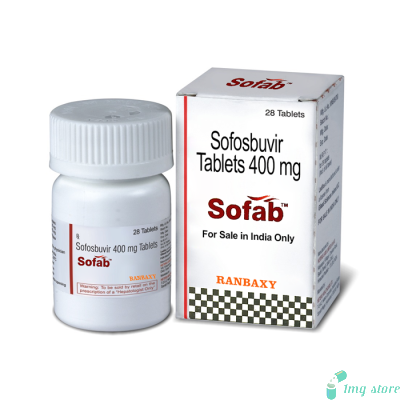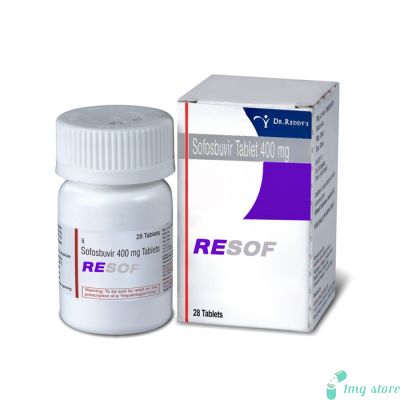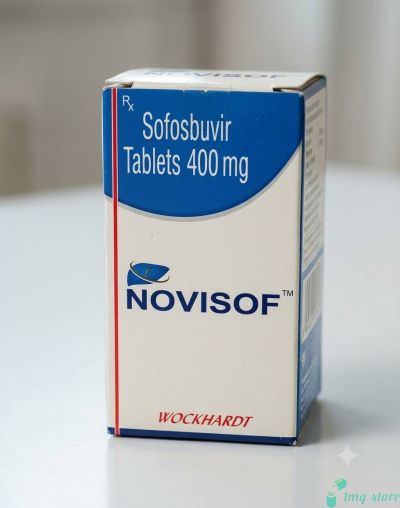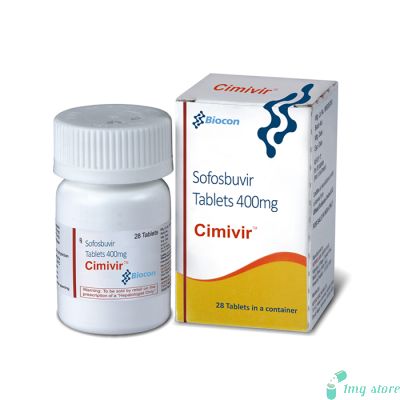
Hepcvel Tablet (Sofosbuvir + Velpatasvir): Direct-Acting Antiviral (DAA) Medicine | For Treatment of Chronic Hepatitis C Virus (HCV)
Hepcvel Tablet (Sofosbuvir + Velpatasvir) combines two antiviral medicines that work together to treat chronic hepatitis C, a viral infection affecting the liver. Sofosbuvir blocks a protein the virus needs to multiply, while velpatasvir prevents another essential step in its life cycle. Together, they help stop the virus from spreading in the body and support its clearance over the prescribed treatment period.


Product Overview
Hepcvel Tablet contains two active ingredients: Sofosbuvir and Velpatasvir, which are antiviral medicines used together to treat chronic hepatitis C infection. They work by targeting different proteins that the hepatitis C virus needs to multiply and survive. By interrupting these processes, Hepcvel helps reduce the amount of virus in the body and supports its clearance during treatment.
How Does Hepcvel Tablet Work? (Pharmacodynamics)
Hepcvel works by blocking two important stages of viral multiplication:
Sofosbuvir: Blocks an enzyme called NS5B RNA polymerase, which the virus needs to make copies of its genetic material.
Velpatasvir: Blocks the NS5A protein, which plays an important role in viral replication and the assembly of new virus particles.
By targeting these two proteins together, the combination makes it difficult for the virus to multiply and helps control the infection.
Understanding Its Role in the Body
Hepcvel helps the body clear hepatitis C infection by reducing viral activity. As treatment progresses, the amount of virus in the bloodstream may decrease significantly, giving the liver an opportunity to recover from ongoing inflammation.
It is used as a complete antiviral combination for eligible patients, although additional medicines such as ribavirin may be required in certain treatment situations. The treatment plan depends on liver health, previous treatment history, and other medical factors.
Expected Results
The viral load generally begins to decrease during treatment, but improvement may not produce noticeable symptoms immediately. A key treatment goal is achieving a sustained virologic response (SVR), meaning the virus remains undetectable in the blood 12 weeks after completing treatment. This is generally considered a virological cure.
Pharmacokinetics: How the Body Processes It
After taking Hepcvel, both ingredients are absorbed into the bloodstream and distributed throughout the body.
Absorption: Sofosbuvir and velpatasvir are absorbed through the digestive system after oral administration.
Metabolism: Sofosbuvir is converted into its active form inside cells, while velpatasvir is mainly processed by the liver.
Distribution: Their active forms reach the tissues where they can interfere with viral activity.
Elimination: Sofosbuvir-related breakdown products are mainly eliminated through urine, while velpatasvir is primarily removed through faeces.
Clinical Considerations
Liver health: Inform your doctor if you have advanced liver disease or a history of liver complications.
Kidney function: Discuss any kidney problems before starting treatment, as your overall health and treatment plan need to be assessed.
Medicine interactions: Acid-reducing medicines, certain seizure medicines, rifampicin, and some HIV medicines may affect treatment or increase interaction risks.
Hepatitis B: Patients should be checked for hepatitis B before starting treatment because reactivation can occur during or after hepatitis C therapy.
Heart medicines: Tell your doctor if you take amiodarone, as combining it with sofosbuvir-containing treatment may cause serious heart-rate problems.
Treatment consistency: Take the tablet regularly for the prescribed duration. Do not stop or change the treatment without medical advice.
Storage Instructions
Store Hepcvel Tablets at room temperature, away from excessive heat, moisture, and direct sunlight. Keep the tablets in their original packaging and out of reach of children. Follow the storage instructions provided on the product label.
Summary
Hepcvel Tablet combines sofosbuvir and velpatasvir to target two essential proteins involved in hepatitis C multiplication. By working together, these ingredients help clear the infection and support liver health. Completing the prescribed treatment and attending follow-up tests are important for checking the treatment outcome.
Precautions
Hepcvel Tablet (Sofosbuvir + Velpatasvir) requires careful use because certain medicines, existing liver conditions, and other health factors may affect its safety and treatment response. Following the prescribed schedule and checking for possible interactions can help avoid complications during treatment.
Before You Start
Discuss liver health: Inform your doctor if you have cirrhosis, advanced liver disease, or any previous liver complications.
Mention kidney problems: Tell your doctor if you have reduced kidney function or are receiving dialysis.
Check for hepatitis B: Testing for hepatitis B is important before starting treatment because the infection may reactivate during or after therapy.
Share your medication list: Inform your doctor about all medicines and supplements, especially amiodarone, acid-reducing medicines, and certain seizure medicines.
Discuss pregnancy: If you are pregnant, planning pregnancy, or breastfeeding, seek medical advice before starting treatment.
While Using It
Follow the prescribed dose: Take Hepcvel exactly as directed and do not change the dose yourself.
Maintain a regular schedule: Take the tablet at the same time each day to avoid missing doses.
Be careful with antacids: Medicines containing aluminium or magnesium may affect absorption. Follow your doctor's instructions about separating their doses.
Avoid starting new medicines: Check with your doctor or pharmacist before taking any additional medicines or herbal supplements.
Do not stop treatment early: Complete the prescribed course, even if you feel well.
Attend regular checkups: Follow recommended blood tests to monitor treatment response and liver health.
When to Seek Medical Help
Unusual tiredness or weakness: Report persistent or unexplained fatigue.
Signs of liver problems: Seek medical advice if you notice yellowing of the skin or eyes, dark urine, or abdominal swelling.
Slow heartbeat: Seek urgent medical attention if you experience a very slow heartbeat, dizziness, fainting, or breathing difficulties, particularly if taking amiodarone.
Allergic reactions: Get immediate medical help for facial swelling, severe rash, or difficulty breathing.
Note:
Hepcvel Tablet should be taken for the full prescribed duration under medical supervision. Do not stop treatment or combine it with other medicines without checking for possible interactions. Hepatitis B testing and appropriate monitoring are important before and during treatment.
Usage
Follow the prescribed schedule: Take Hepcvel Tablet (Sofosbuvir + Velpatasvir) exactly as directed by your doctor, usually once daily. Follow the prescribed treatment duration without making changes on your own.
Take it consistently: Try to take the tablet at the same time every day. It can generally be taken with or without food.
Missed a dose? If you remember within 18 hours of your usual dose time, take it as soon as possible. If more than 18 hours have passed, skip the missed dose and take the next one at your regular time. Do not double the dose.
Check other medicines: Inform your doctor about all medicines and supplements you use, particularly antacids, acid-reducing medicines, seizure medicines, and certain antibiotics, as they may affect how Hepcvel works.
Share your medical history: Tell your doctor if you have liver or kidney problems, have previously received treatment for hepatitis C, or have other existing health conditions.
Monitor your response: Attend recommended blood tests so your doctor can check how well the treatment is working and monitor your liver health.
Do not stop treatment early: Complete the full prescribed course, even if you start feeling better before the treatment period ends.
Uses
Hepcvel Tablet contains Sofosbuvir and Velpatasvir, a combination of two direct-acting antiviral medicines used to treat chronic hepatitis C infection. They work together to stop the virus from multiplying, helping the body clear the infection.
Treatment of hepatitis C: Used to treat chronic hepatitis C infection caused by different genotypes of the virus.
Stops viral multiplication: Sofosbuvir blocks an enzyme needed by the virus to make copies of its genetic material.
Prevents viral replication: Velpatasvir blocks a viral protein called NS5A, which plays an important role in viral multiplication.
Supports viral clearance: The combination helps reduce the amount of hepatitis C virus in the body and can lead to a sustained virological response (SVR), which means the virus remains undetectable after treatment.
Treatment across different genotypes: The combination is effective against multiple hepatitis C genotypes, with the treatment plan depending on individual medical factors.
Summary: Hepcvel Tablet combines two antiviral medicines that target different stages of hepatitis C virus multiplication. Taking it regularly and completing the prescribed treatment course are important for achieving the best possible treatment outcome. Follow your doctor's advice and attend recommended follow-up tests to monitor your progress.
Side Effects
Hepcvel Tablets contain sofosbuvir and velpatasvir, two antiviral medicines used to treat chronic hepatitis C infection. Although the combination is generally well tolerated, some people may experience side effects during treatment. These can vary depending on individual health and whether other medicines, such as ribavirin, are used alongside it.
Common Side Effects
Headache: You may experience mild or occasional headaches.
Fatigue: You may feel unusually tired or low on energy.
Nausea: Some people may experience an uneasy feeling in the stomach.
Diarrhea: You may have loose or frequent bowel movements.
Difficulty sleeping: You may experience trouble falling or staying asleep.
Weakness: You may feel less energetic than usual.
Skin rash: Mild skin irritation or rashes may occur.
Serious Side Effects
Hepatitis B reactivation: A previous or existing hepatitis B infection may become active again, potentially causing serious liver problems.
Slow heartbeat (Bradycardia): An unusually slow heartbeat may occur, particularly when used with amiodarone.
Severe allergic reactions: Facial swelling, difficulty breathing, or widespread skin reactions require immediate medical attention.
Worsening liver problems: Yellowing of the skin or eyes, dark urine, or unusual abdominal swelling should be reported promptly.
Note: Take Hepcvel Tablets exactly as prescribed and complete the recommended treatment course. Inform your doctor about all medicines you use, especially amiodarone and other medicines that may interact with antiviral treatment. Hepatitis B screening is important before starting therapy. Seek medical advice if side effects persist or worsen, and get immediate help for severe allergic reactions or an unusually slow heartbeat.
FAQs
1. What is Hepcvel Tablet used for?
Hepcvel Tablet contains Sofosbuvir and Velpatasvir and is used to treat chronic hepatitis C infection in adults by targeting the virus at different stages of its life cycle.
2. How does Hepcvel Tablet work?
Sofosbuvir and Velpatasvir work together to stop the hepatitis C virus from multiplying. This helps reduce the amount of virus in the body and supports its clearance.
3. How should Hepcvel Tablet be taken?
Take Hepcvel Tablet once daily, with or without food, as prescribed by your doctor. Swallow it whole with water and try to take it at the same time each day.
4. How long does Hepcvel treatment usually last?
Treatment commonly lasts 12 weeks, although the duration may vary depending on your liver condition, previous treatment history, and doctor's assessment.
5. What are the common side effects of Hepcvel Tablet?
Some people may experience headache, tiredness, nausea, weakness, or difficulty sleeping. These effects are usually manageable, but inform your doctor if they persist or become troublesome.
6. Can Hepcvel Tablet completely cure hepatitis C?
Yes, Hepcvel can help achieve a sustained virological response (SVR), which is considered a cure when the virus remains undetectable after treatment. However, regular follow-up testing is important.
7. Can I stop taking Hepcvel Tablet once I feel better?
No. Feeling better does not necessarily mean the infection has cleared. Complete the full prescribed course, even if you do not experience symptoms.
8. Can Hepcvel Tablet be taken with other medicines?
Some medicines can interact with Hepcvel and affect how well it works. Certain antacids, acid-reducing medicines, rifampicin, and some seizure medicines may cause interactions. Inform your doctor about all medicines and supplements you take.
9. What should I do if I miss a dose of Hepcvel Tablet?
If you miss a dose, take it as soon as you remember on the same day. If it is almost time for your next dose, follow your doctor's advice. Do not take two doses together to make up for a missed one.
10. Does Hepcvel Tablet prevent hepatitis C from spreading?
Hepcvel helps treat hepatitis C but does not provide immunity or guarantee protection against reinfection. Continue following precautions to avoid exposure to infected blood.
Interactions
Hepcvel Tablets contain Sofosbuvir and Velpatasvir, which are used to treat chronic hepatitis C. Certain medicines can affect how these ingredients are absorbed or processed in the body, potentially reducing treatment effectiveness or increasing side effects. Knowing about these interactions helps keep treatment on track.
1. Antacids and Acidity Medicines
Interaction: Medicines used to reduce stomach acid, such as omeprazole, pantoprazole, and antacids containing aluminium or magnesium, may reduce the absorption of velpatasvir, potentially making Hepcvel less effective.
Advice: Do not take acidity medicines alongside Hepcvel without medical advice. Your doctor can guide you on the correct timing and combination.
2. Antibiotics Used for Tuberculosis
Interaction: Medicines such as rifampicin and rifabutin can lower the levels of sofosbuvir and velpatasvir in the body, which may reduce their ability to control hepatitis C.
Advice: Inform your doctor if you are receiving treatment for tuberculosis, as these combinations are generally not recommended.
3. Epilepsy and Seizure Medicines
Interaction: Medicines such as carbamazepine, phenytoin, and phenobarbital may reduce the amount of Hepcvel absorbed or available in the body, potentially affecting treatment results.
Advice: Tell your doctor if you take medicines to control seizures. Alternative treatment may be needed.
4. Heart Rhythm Medicines
Interaction: Combining Hepcvel with amiodarone may cause the heartbeat to become dangerously slow, sometimes leading to fainting or other serious heart problems.
Advice: Avoid this combination unless specifically managed by a specialist. Seek medical attention if you experience fainting, unusual dizziness, or a very slow heartbeat.
5. Cholesterol and Heart Medicines
Interaction: Hepcvel may increase the levels of certain medicines, such as rosuvastatin, atorvastatin, and digoxin, potentially increasing the risk of muscle-related or other side effects.
Advice: Inform your doctor if you take medicines for cholesterol or heart conditions. Dose adjustments or closer monitoring may be required.
6. Herbal Supplements
Interaction: St. John's wort, an herbal product sometimes used for mood-related concerns, can reduce the levels of Hepcvel in the body and may interfere with its effectiveness.
Advice: Avoid using St. John's wort during Hepcvel treatment and check with your doctor before taking herbal products or supplements.
Important: Share a complete list of your medicines, vitamins, and herbal supplements with your doctor before starting Hepcvel. Never stop or change prescribed treatment on your own.
| Manufacturer | : | Cipla Pharma, India |
| Equivalent Brand | : | Epclusa |
| Generic Search | : | Sofosbuvir + Velpatasvir |
Latest Products