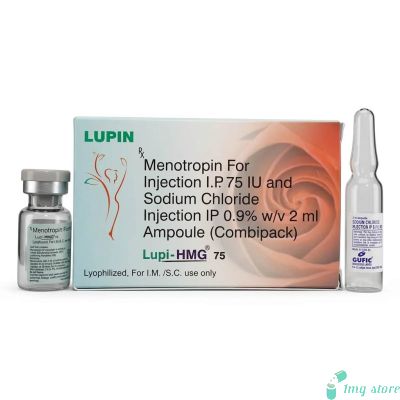
Lupi-HCG Injection (Human Chorionic Gonadotropin): Hormone Injection | For Fertility Treatment, Ovulation Induction, and Hormonal Therapy Support
Lupi-HCG Injection contains Human Chorionic Gonadotropin (hCG), a hormone medicine used in fertility treatments. It helps trigger ovulation in women and supports testosterone production and sperm development in men in specific medical conditions, under specialist supervision.


Product Overview
Lupi-HCG Injection contains Human Chorionic Gonadotropin (hCG), a hormone medicine used in certain fertility treatments. In women, it helps trigger ovulation (the release of an egg from the ovary). In men, it may be prescribed to support testosterone production and sperm development in specific medical conditions. Its use depends on the patient's needs and the doctor's treatment plan.
How Does Lupi-HCG Injection Work?
Lupi-HCG works by acting similarly to luteinising hormone (LH), a natural hormone involved in reproductive function. In women, it helps the final maturation and release of an egg. In men, it stimulates the testes to produce testosterone and may support sperm production.
Understanding Its Role in the Body
Human Chorionic Gonadotropin helps regulate certain reproductive processes. Its effects vary depending on the person's condition and the reason it has been prescribed. Treatment usually requires medical supervision and, in fertility care, may involve regular monitoring.
Key Uses of Lupi-HCG Injection
Ovulation support: Helps trigger the release of an egg during certain fertility treatments.
Fertility treatment: May be used as part of assisted reproduction plans, as advised by a fertility specialist.
Hormonal support in men: May be prescribed for selected conditions involving low testosterone production or impaired sperm development.
Clinical Considerations
Before prescribing Lupi-HCG, a healthcare professional may review your medical history, current medicines, and treatment goals. In women undergoing fertility treatment, monitoring is important because the medicine may increase the risk of ovarian hyperstimulation syndrome (OHSS) or multiple pregnancy.
Lupi-HCG Injection should be administered only as prescribed by a healthcare professional. Do not change the dose or timing yourself. Possible side effects include headache, injection-site discomfort, and abdominal discomfort. Seek medical advice promptly for severe abdominal pain or swelling, rapid weight gain, persistent vomiting, or breathing difficulties, as these may indicate a serious complication.
Note: Use Lupi-HCG Injection only under the supervision of a qualified healthcare professional. The dose and schedule depend on the condition being treated. Consult your doctor if you experience unusual symptoms or have concerns during treatment.
Precautions
Lupi-HCG Injection contains human chorionic gonadotropin (hCG), a hormone medicine used in fertility treatment to help trigger ovulation. It should be used under the supervision of a fertility specialist, as it may cause hormonal side effects and complications.
Before You Start
Consult your doctor: Discuss whether this injection is suitable for your fertility treatment.
Share your medical history: Inform your doctor about ovarian cysts, thyroid disorders, or unexplained vaginal bleeding.
Mention other medicines: Tell your doctor about all medicines and supplements you take.
Confirm pregnancy status: Follow your doctor’s advice before using the injection.
While Using It
Follow the prescribed dose: Do not change the dose or timing yourself.
Attend monitoring appointments: Follow recommended ultrasound scans and hormone tests.
Watch for symptoms: Report abdominal pain, bloating, or swelling promptly.
Use it correctly: Follow your healthcare professional’s instructions for preparing and administering the injection.
When to Seek Medical Help
Severe abdominal pain: May indicate ovarian hyperstimulation syndrome (OHSS).
Breathing difficulties or chest pain: Seek emergency medical attention.
Rapid weight gain or vomiting: Contact your doctor promptly.
Allergic reactions: Seek immediate help for facial swelling or difficulty breathing.
Note: Use Lupi-HCG Injection only as prescribed by your fertility specialist. The dose and timing depend on your treatment plan. Seek urgent medical care if you experience symptoms of a serious complication.
Usage
Lupi-HCG Injection contains Human Chorionic Gonadotropin (hCG), a hormone medicine used in fertility treatment. It helps trigger ovulation in women and may support testosterone production and sperm development in certain men. Its use depends on the prescribed dose, treatment schedule, and monitoring by a healthcare professional.
Key Usage Points
- Use the injection exactly as prescribed by your fertility specialist.
- Administer it using the recommended injection route and technique.
- Follow the prescribed schedule without changing the dose yourself.
- Attend recommended follow-up appointments to monitor treatment response.
- Store and handle the injection according to the product instructions.
Uses
Lupi-HCG Injection is commonly used in fertility treatment to trigger the release of an egg in women after follicle development. In certain men, it may be prescribed to stimulate testosterone production and support sperm production, depending on the underlying hormonal condition.
How to Use
Have the injection administered by a healthcare professional or use it yourself only if properly instructed.
Follow the prescribed dose and timing carefully, as timing is important in fertility treatment.
Use the injection according to your fertility specialist's treatment plan.
Women may require ultrasound scans and hormone tests to monitor follicle development and treatment response.
Men may need regular hormone tests and semen analysis, depending on their treatment.
Follow your specialist's instructions throughout the treatment course, and report any unusual symptoms promptly.
Side Effects
Lupi-HCG Injection contains human chorionic gonadotropin (hCG), a hormone medicine used in fertility treatment to support ovulation in women and sperm production in men in certain cases. Like other medicines, it may cause side effects depending on the dose, treatment plan, and individual response.
Common Side Effects
Injection-site reactions: You may experience pain, redness, or swelling where the injection is given.
Headache: Some people may experience headaches during treatment.
Abdominal discomfort: You may feel mild pain or bloating in the stomach.
Nausea: You may experience nausea or occasional vomiting.
Breast tenderness: Your breasts may feel sore or sensitive.
Serious Side Effects
Ovarian hyperstimulation syndrome (OHSS): Severe abdominal pain, swelling, rapid weight gain, or vomiting requires urgent medical attention.
Breathing difficulties: Sudden shortness of breath or chest pain requires emergency medical care.
Blood clots: Sudden leg pain or swelling, chest pain, or difficulty breathing may indicate a blood clot.
Severe allergic reaction: Swelling of the face, lips, tongue, or throat requires emergency medical attention.
Note: Use Lupi-HCG Injection only under the supervision of a healthcare professional. Follow the prescribed dose and schedule, and report unusual symptoms promptly. Seek urgent medical care for severe abdominal pain, rapid weight gain, chest pain, or breathing difficulties.
FAQs
1. What is Lupi-HCG Injection used for?
Lupi-HCG Injection is a hormone medicine used to treat certain fertility-related conditions in women and men, as prescribed by a doctor.
2. What is the active ingredient in Lupi-HCG Injection?
It contains human chorionic gonadotropin (hCG), a hormone that supports reproductive functions.
3. How does Lupi-HCG Injection work?
In women, it helps trigger ovulation (the release of an egg). In men, it stimulates testosterone production and may support sperm production.
4. Can Lupi-HCG Injection help with infertility?
Yes, it may help manage certain causes of infertility in women and men. Its effectiveness depends on the underlying condition and treatment plan.
5. How is Lupi-HCG Injection administered?
It is administered by injection under the skin or into a muscle, depending on the prescribed formulation and your doctor's instructions.
6. What are the common side effects of Lupi-HCG Injection?
Possible side effects include injection-site pain, headache, fatigue, and abdominal discomfort. Contact your doctor if symptoms persist or worsen.
7. Can Lupi-HCG Injection cause ovarian hyperstimulation syndrome (OHSS)?
Yes, it may cause OHSS in women undergoing fertility treatment. Severe abdominal pain, rapid weight gain, or difficulty breathing requires urgent medical attention.
8. Can Lupi-HCG Injection be used during pregnancy?
It should only be used when specifically advised by a specialist. Tell your doctor if you are pregnant or suspect pregnancy.
9. What should I do if I miss a dose of Lupi-HCG Injection?
Contact your doctor or fertility clinic for instructions, as injection timing can be important during fertility treatment. Do not take an extra dose yourself.
10. How should Lupi-HCG Injection be stored?
Follow the product label and pharmacist's instructions. Many formulations require refrigeration at 2–8°C and must not be frozen.
Interactions
Lupi-HCG Injection contains human chorionic gonadotropin (hCG), a hormone medicine used in fertility treatment and certain hormonal conditions. Although no major drug interactions have been firmly established, some medicines and supplements may affect treatment or require closer monitoring. Sharing your complete medication history with your doctor can help ensure appropriate care.
1. Other Fertility Medicines
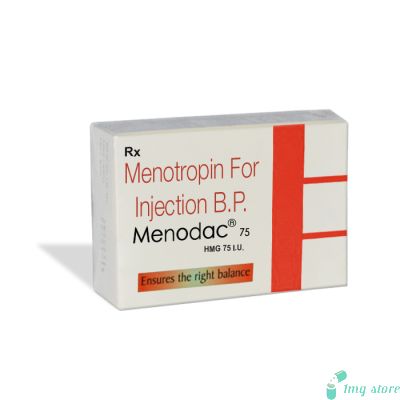
Interaction: When Lupi-HCG Injection is used with medicines such as menotropins or other ovarian-stimulating hormones, the ovaries may become overstimulated, increasing the risk of ovarian hyperstimulation syndrome (OHSS).
Advice: Follow your fertility specialist's treatment schedule and attend recommended blood tests and ultrasound appointments. Report severe abdominal pain, rapid abdominal swelling, or breathing difficulties promptly.
2. Hormonal Medicines
Interaction: Medicines that affect reproductive hormones may influence your overall treatment plan, depending on the condition being treated and the combination prescribed.
Advice: Inform your doctor about any hormonal medicines you use, including fertility treatments, testosterone, or other hormone-related therapies. Do not combine treatments without medical guidance.
3. Herbal Products and Supplements
Interaction: Certain herbal products, including chasteberry and black cohosh, may affect hormonal activity. Their interactions with hCG are not well established, so potential effects cannot be ruled out.
Advice: Tell your doctor about all herbal remedies, vitamins, and dietary supplements you take before starting Lupi-HCG Injection.
4. Medicines That Affect Hormone Test Results
Interaction: Lupi-HCG Injection contains hCG, the hormone measured by many pregnancy tests. After an injection, a pregnancy test may show a positive result because of the medicine rather than an established pregnancy. The injection may also interfere with certain hormone blood tests.
Advice: Inform your doctor about the date of your injection before taking a pregnancy test or undergoing hormone testing. Follow your fertility specialist's instructions on when to test.
5. Other Prescription and Non-Prescription Medicines
Interaction: The available evidence on interactions between hCG and many commonly used medicines is limited. Therefore, potential interactions may not be fully known.
Advice: Provide your doctor or pharmacist with a list of all prescription medicines, over-the-counter products, and supplements you use. Do not start or stop any treatment without professional advice.
Important: Lupi-HCG Injection should be administered under medical supervision. Your doctor can assess potential interactions based on your treatment plan, medical history, and other medicines you take.
| Manufacturer | : | Lupin Ltd. |
| Equivalent Brand | : | Pregnyl & Novarel |
| Generic Search | : | Human Chorionic Gonadotropin (hCG) |
Latest Products