Nilitis Tablet (Nabumetone): NSAID Pain Relief Medicine | For Relief of Joint Pain, Swelling, and Inflammation
Nilitis Tablet contains nabumetone, a non-steroidal anti-inflammatory drug (NSAID) used to relieve pain, swelling, and stiffness associated with conditions such as osteoarthritis and rheumatoid arthritis. It works by reducing substances in the body that contribute to inflammation and discomfort, helping make everyday movements more comfortable.


Product Overview
Nilitis Tablet contains nabumetone, a non-steroidal anti-inflammatory drug (NSAID) used to relieve pain, swelling, and stiffness associated with inflammatory joint conditions such as osteoarthritis and rheumatoid arthritis. It helps make everyday movements more comfortable by reducing the body's production of substances that contribute to inflammation.
How Does Nilitis Tablet Work?
When joints become inflamed, the body produces chemicals called prostaglandins that contribute to pain, tenderness, and swelling. Nabumetone is converted in the body into an active substance that reduces prostaglandin production, helping ease these symptoms.
Understanding Its Role in the Body
Nilitis helps manage joint discomfort rather than cure arthritis itself. By reducing pain and stiffness, it may make activities such as walking, climbing stairs, and getting up after sitting for a while easier. The dose and duration depend on your condition and your healthcare professional's advice.
Expected Results
With regular use as prescribed, Nilitis may gradually reduce joint pain, tenderness, and stiffness. The amount of relief and the time it takes to notice improvement vary from person to person. It helps control symptoms but does not reverse joint damage.
Pharmacokinetics: How the Body Processes It
After you take Nilitis, nabumetone is absorbed and converted mainly in the liver into its active form, which helps reduce inflammation. This active substance stays in the body for a relatively long time and is gradually eliminated, primarily through urine.
Clinical Considerations
- Stomach health: It may cause indigestion or stomach discomfort and, in some cases, ulcers or bleeding.
- Heart and blood pressure: It may increase blood pressure and the risk of heart attack or stroke, especially with prolonged use.
- Kidney health: Tell your healthcare professional if you have kidney problems or are prone to dehydration.
- Medicine interactions: Check with your doctor before combining it with other NSAIDs, blood thinners, or certain blood pressure medicines.
- Safe use: Take the lowest effective prescribed dose for the shortest necessary duration. Avoid taking it with other anti-inflammatory painkillers unless advised.
Storage Instructions
Store Nilitis Tablets in their original packaging in a cool, dry place, away from excessive heat, moisture, and direct sunlight. Keep them out of reach of children and follow the storage directions on the pack.
Conclusion
Nilitis Tablet may help make daily activities more manageable by easing joint pain and stiffness. Use it as prescribed, and discuss any persistent symptoms or unexpected side effects with your healthcare professional.
Precautions
Nilitis Tablet contains nabumetone, a non-steroidal anti-inflammatory drug (NSAID) used to help relieve joint pain, swelling, and stiffness. Although it can make everyday movement more comfortable, it may irritate the stomach and affect the kidneys or heart in some people. A few simple precautions can help you use it more safely.
Before You Start
Talk to your doctor: Explain your symptoms and whether you have used similar pain-relief medicines before.
Check your medical history: Inform your doctor if you have stomach ulcers, bleeding problems, kidney or liver disease, high blood pressure, or heart disease.
Mention other medicines: Tell your doctor if you take aspirin, blood thinners, ibuprofen, naproxen, or other medicines that may increase bleeding or side effects.
Discuss pregnancy: Ask your doctor before using nabumetone if you are pregnant or planning a pregnancy. It should generally be avoided from around 20 weeks of pregnancy unless specifically advised by a healthcare professional.
Report any allergies: Let your doctor know if aspirin or other NSAIDs have caused asthma, swelling, or an allergic reaction.
While Using It
Stick to the prescribed dose: Taking more tablets will not necessarily provide better relief and may increase the risk of harm.
Protect your stomach: Take the tablet with food if it causes stomach discomfort, and follow the instructions provided with your medicine.
Avoid mixing painkillers: Do not combine it with other NSAIDs unless your doctor advises you to do so.
Be mindful of alcohol: Alcohol may increase the risk of stomach irritation and bleeding.
Keep an eye on your blood pressure: Nabumetone may raise blood pressure or cause fluid retention in some people.
Use it for the recommended duration: If your pain continues, speak with your doctor instead of increasing the dose yourself.
When to Seek Medical Help
Stomach problems: Get urgent medical advice for severe stomach pain, black stools, or vomiting blood.
Heart or kidney warning signs: Seek medical attention for chest pain, unusual swelling, reduced urination, or sudden shortness of breath.
Allergic reactions: Get emergency help for facial or throat swelling or difficulty breathing.
Unusual skin reactions: Seek prompt medical attention if you develop a severe rash, blistering, or peeling skin.
Note:
Nilitis Tablet should be used at the lowest effective dose for the shortest duration recommended by your healthcare professional. If you have existing stomach, kidney, or heart problems, discuss the risks before starting treatment.
Usage
Follow your doctor's advice: Take Nilitis Tablet (Nabumetone) exactly as prescribed and follow the instructions on the product packaging.
Take it as directed: Follow the recommended dose and duration. Taking it with food may help if it causes stomach discomfort.
Missed a dose? Take it when you remember, unless it is nearly time for your next dose. Never take two doses together to make up for a missed one.
Check before combining medicines: Tell your doctor if you take other painkillers, blood thinners, or medicines that may increase the risk of stomach bleeding.
Share your medical history: Inform your doctor if you have a history of stomach ulcers, kidney or heart problems, high blood pressure, or allergies to painkillers.
Watch for warning signs: Seek medical attention if you develop severe stomach pain, black stools, vomiting blood, chest pain, or difficulty breathing.
Uses
Nilitis Tablet contains Nabumetone, a non-steroidal anti-inflammatory drug (NSAID) that helps reduce pain, swelling, and inflammation in affected joints.
Osteoarthritis: Helps relieve joint pain and stiffness associated with wear and tear of the joints.
Rheumatoid arthritis: Helps manage pain, swelling, and stiffness caused by this inflammatory joint condition.
Improved daily movement: By reducing joint discomfort, it may make everyday activities more comfortable.
Inflammation control: Works by reducing the production of substances in the body that contribute to pain and inflammation.
Note: Nilitis Tablet helps manage symptoms but does not cure arthritis or stop joint damage from progressing. Avoid combining it with other NSAIDs, such as ibuprofen or diclofenac, unless your doctor advises you to do so.
Conclusion
Nilitis Tablet can help ease arthritis-related pain, swelling, and stiffness when used appropriately. Follow your doctor's instructions, use the lowest effective dose for the recommended duration, and report any unusual or severe side effects promptly.
Side Effects
Nilitis Tablet contains nabumetone, a non-steroidal anti-inflammatory drug (NSAID) that helps relieve pain, swelling, and stiffness associated with conditions such as arthritis. Like any medicine, it may cause side effects in some people, although not everyone experiences them.
Common Side Effects
Stomach discomfort: You may notice stomach pain, indigestion, or a feeling of uneasiness after taking the tablet.
Nausea: You might feel sick or experience an unsettled stomach.
Diarrhoea or constipation: Your bowel habits may temporarily change.
Dizziness: You may feel lightheaded or slightly unsteady.
Headache: Some people may experience a mild headache.
Swelling: Your hands, feet, or ankles may become swollen due to fluid retention.
Serious Side Effects
Stomach bleeding: Black, tar-like stools or vomiting blood may indicate internal bleeding and require emergency medical care.
Kidney problems: Passing less urine than usual or developing unusual swelling needs prompt medical assessment.
Heart-related problems: Chest pain, sudden breathlessness, or weakness on one side of the body requires emergency care.
Severe allergic reactions: Swelling of the face or throat, difficulty breathing, or a severe rash needs immediate medical attention.
Liver problems: Yellowing of the skin or eyes, dark urine, or unusual tiredness should be checked by a healthcare professional.
Note: Take Nilitis Tablet only as prescribed. Avoid combining it with other NSAIDs, such as ibuprofen or naproxen, unless your doctor advises you to do so. Taking it with food may help reduce stomach discomfort, but it does not eliminate the risk of stomach bleeding. Inform your doctor if you have a history of stomach ulcers, heart disease, high blood pressure, or kidney problems. Seek medical advice if side effects persist or worsen, and get emergency help for signs of bleeding, severe allergic reactions, or chest pain.
FAQs
1. What is Nilitis Tablet (Nabumetone) used for?
Nilitis Tablet contains nabumetone, a non-steroidal anti-inflammatory drug (NSAID) used to relieve pain, swelling, and stiffness associated with conditions such as osteoarthritis and rheumatoid arthritis.
2. How does Nilitis Tablet work in the body?
Nilitis Tablet helps reduce the production of prostaglandins, substances involved in pain and inflammation. This can make everyday movements more comfortable and help ease joint stiffness.
3. How should Nilitis Tablet be taken?
Take Nilitis Tablet exactly as prescribed by your doctor. Follow the recommended dose and schedule, and do not take more than advised.
4. What are the common side effects of Nilitis Tablet?
Some people may experience stomach pain, nausea, diarrhoea, constipation, indigestion, dizziness, or headache. Contact your doctor if these effects persist or become troublesome.
5. How long does Nilitis Tablet take to work?
Some people may notice pain relief within a few hours, while improvement in ongoing joint symptoms may take longer with regular prescribed use. Results vary from person to person.
6. Can Nilitis Tablet be taken with food?
Yes, nabumetone can generally be taken with or without food. If it upsets your stomach, taking it with food may help. Follow your doctor's instructions.
7. Who should avoid taking Nilitis Tablet?
People with a history of stomach ulcers or bleeding, severe kidney problems, or an allergy to nabumetone, aspirin, or other NSAIDs should consult their doctor before use.
8. Can Nilitis Tablet be taken with other painkillers?
Avoid combining Nilitis Tablet with other NSAIDs, such as ibuprofen, diclofenac, or naproxen, unless your doctor advises it. Combining them may increase the risk of stomach bleeding and kidney problems.
9. Can Nilitis Tablet be taken during pregnancy?
Nabumetone should generally be avoided during pregnancy unless specifically advised by a doctor. NSAIDs can harm the developing baby, particularly from around 20 weeks of pregnancy onward, and should be avoided from around 30 weeks.
10. What warning signs should I watch for while taking Nilitis Tablet?
Seek urgent medical attention if you experience black stools, vomiting blood, chest pain, difficulty breathing, sudden weakness, or swelling of the face or throat. These may indicate serious side effects that need immediate care.
Interactions
Nilitis Tablets contain nabumetone, a non-steroidal anti-inflammatory drug (NSAID) that helps reduce pain, swelling, and inflammation. However, combining it with certain medicines may increase the risk of stomach irritation, bleeding, kidney problems, or other side effects. Always tell your healthcare professional which medicines you take before starting Nilitis.
1. Blood-Thinning Medicines
Medicines such as warfarin may increase the risk of bleeding when taken with nabumetone.
Check with your healthcare professional before combining them.
2. Other Painkillers
Taking ibuprofen, naproxen, or other NSAIDs with nabumetone may increase the risk of stomach ulcers and bleeding.
Avoid combining painkillers unless your healthcare professional recommends it.
3. Blood Pressure Medicines
Medicines such as enalapril and losartan may work less effectively when taken with NSAIDs.
The combination may also affect kidney function, so medical monitoring may be needed.
4. Water Tablets (Diuretics)
Medicines such as furosemide may have reduced effects, and the combination may increase the risk of kidney problems.
Tell your healthcare professional if you take diuretics.
5. Lithium and Methotrexate
Nabumetone may increase the levels of these medicines in the body, raising the risk of side effects.
Your healthcare professional may need to monitor you closely.
6. Steroids
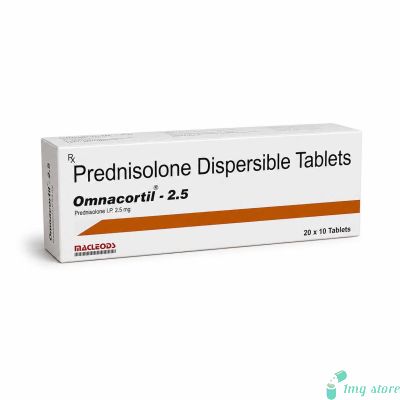
Medicines such as prednisolone may increase the risk of stomach ulcers or bleeding when combined with nabumetone.
Seek medical advice before using them together.
Tips to Avoid Interactions
Keep your healthcare professional informed about all prescription medicines, over-the-counter products, and supplements you use.
Avoid adding another painkiller without checking first.
Take Nilitis exactly as prescribed and report unusual stomach pain, black stools, or reduced urination promptly.
Note: Not every combination causes problems, but the risk depends on your medicines, doses, and health condition. Consult your healthcare professional before combining Nilitis with other medicines, especially painkillers, blood thinners, or medicines that affect kidney function.
| Manufacturer | : | IPCA Pharma, India |
| Equivalent Brand | : | Relafen |
| Generic Search | : | Nabumetone |
Latest Products