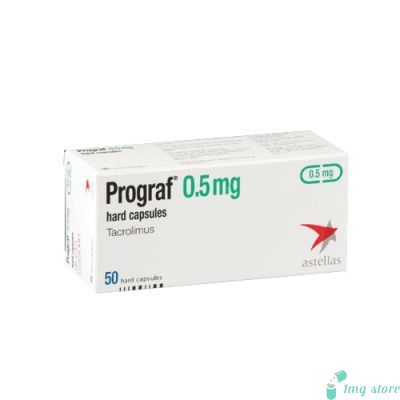
Pangraf Capsule (Tacrolimus) | For Kidney, Liver and Heart Transplant Care
Pangraf Capsule contains tacrolimus, an immunosuppressant used with other medicines to help prevent the body from rejecting a transplanted organ. It works by reducing certain immune responses that can affect the transplanted organ.


Product Overview
What Is Pangraf Capsule?
Pangraf Capsule contains tacrolimus, an immunosuppressant medicine used after organ transplantation. It helps reduce the immune response so the body is less likely to attack the transplanted organ.
Why Is Pangraf Capsule Used?
Pangraf Capsule is used along with other medicines to help prevent rejection of a transplanted organ, including the kidney, liver, or heart.
How Does Pangraf Capsule Work?
Tacrolimus reduces certain immune system activity. This helps prevent the immune system from treating the transplanted organ as something harmful and attacking it.
Key Product Information
| Information | Details |
| Product Name | Pangraf Capsule |
| Active Ingredient | Tacrolimus |
| Medicine Type | Immunosuppressant |
| Dosage Form | Capsule |
| Available Strengths | 0.25 mg, 0.5 mg, 1 mg, 2 mg |
| Main Use | Prevention of organ rejection after transplantation |
| Storage | Store below 25°C |
How to Take Pangraf Capsule
Take Pangraf Capsule in the dose and duration recommended by your healthcare professional. It may be taken with or without food, but try to take it consistently in relation to meals. Swallow the capsule with water.
Regular Monitoring
Tacrolimus requires regular monitoring because the appropriate amount can vary between individuals. Healthcare professionals may check blood levels and monitor kidney function, blood pressure, blood glucose, and other laboratory values during treatment.
Do Not Stop Suddenly
Pangraf is an important part of post-transplant treatment. Do not stop taking it or change the dose without medical guidance, even if you feel well.
Storage
Store Pangraf Capsule below 25°C and keep it in a dry place away from excessive heat and moisture. Keep it out of reach of children.
Summary
Pangraf Capsule contains tacrolimus and helps reduce immune activity after organ transplantation. Its main purpose is to lower the risk of the body rejecting the transplanted organ when used as part of the recommended treatment plan.
Precaution
Regular Medical Monitoring
Pangraf Capsule contains tacrolimus and requires regular monitoring during treatment. Blood tests may be needed to check tacrolimus levels, kidney function, blood glucose, electrolytes, and other important health parameters.
Kidney Health
Tacrolimus may affect kidney function in some people. Inform your healthcare professional about any existing kidney problems and attend recommended kidney-function checks during treatment.
Liver or Heart Conditions
Tell your healthcare professional if you have liver or heart problems. Your treatment and monitoring may need to be adjusted according to your health condition.
Blood Sugar and Blood Pressure
Pangraf may increase blood glucose or blood pressure in some people. Regular monitoring can help identify changes early.
Infection Precaution
Pangraf reduces immune system activity, which can make it easier for infections to develop. Report persistent fever, unusual weakness, or other signs of infection to your healthcare professional.
Sun and UV Exposure
Tacrolimus can increase sensitivity to risks associated with long-term UV exposure. Limit unnecessary exposure to strong sunlight and use suitable sun protection when outdoors.
Avoid Grapefruit
Avoid grapefruit and grapefruit juice while taking tacrolimus because they can affect tacrolimus levels in the body.
Do Not Stop Suddenly
Do not stop Pangraf Capsule or change the dose on your own. Consistent use is important after transplantation, and sudden interruption can increase the risk of organ rejection.
Pregnancy and Breastfeeding
Inform your healthcare professional if you are pregnant, planning pregnancy, or breastfeeding. Tacrolimus treatment requires careful consideration in these situations.
Usage
Take as Directed
Pangraf Capsule should be taken exactly as advised by your healthcare professional. The dose and duration may vary depending on the transplant and individual treatment needs.
Swallow the Capsule Whole
Swallow the capsule with water. Do not crush, chew, or open the capsule unless specifically instructed.
Do Not Change the Dose
Do not increase, decrease, or change the dose on your own. Tacrolimus levels need careful monitoring to ensure the medicine works appropriately.
Do Not Stop Suddenly
Continue Pangraf Capsule for the recommended duration. Stopping treatment suddenly can increase the risk of rejection of the transplanted organ.
Missed Dose
If you miss a dose, follow the instructions provided by your healthcare professional. Do not take an extra dose to make up for a missed one unless specifically advised.
Uses
Prevents Organ Rejection
Pangraf Capsule is mainly used after an organ transplant to help prevent the body from rejecting the transplanted organ. It works by reducing certain immune system responses.
Kidney Transplant
Pangraf Capsule may be used as part of treatment after a kidney transplant to help the body accept the transplanted kidney.
Liver Transplant
It may also be used after a liver transplant to reduce immune activity that could affect the transplanted organ.
Heart Transplant
Pangraf Capsule can be included in treatment following a heart transplant to help reduce the risk of organ rejection.
Side Effects
Pangraf Capsule contains tacrolimus, which can cause some unwanted effects in certain people. The effects can vary depending on the dose, treatment duration, and individual response.
Headache
Some people may experience a mild headache while taking Pangraf Capsule. If it continues or becomes troublesome, discuss it with a healthcare professional.
Diarrhea
Loose stools or diarrhea can occur during treatment. Drink enough fluids and seek medical advice if it is severe or persistent.
Nausea
A feeling of nausea or an unsettled stomach may occur in some people while using Pangraf Capsule.
Tremors
Mild shaking or trembling, particularly of the hands, can occur with tacrolimus treatment.
Increased Blood Sugar
Tacrolimus may increase blood glucose levels in some people. Regular monitoring may be recommended during treatment.
Increased Blood Pressure
Some people may experience an increase in blood pressure while taking Pangraf Capsule. Regular blood pressure checks can help monitor changes.
Changes in Kidney Function
Tacrolimus can affect kidney function, so regular kidney-related tests may be recommended during treatment.
Sleep Problems
Difficulty sleeping or changes in normal sleep patterns may occur in some people.
FAQs
What is Pangraf Capsule?
Pangraf Capsule contains tacrolimus, an immunosuppressant used to help prevent rejection of a transplanted organ.
What is Pangraf Capsule used for?
It is used along with other medicines to help prevent rejection after kidney, liver, or heart transplantation.
How does Pangraf Capsule work?
It reduces certain immune system responses, helping the body accept the transplanted organ.
How should Pangraf Capsule be taken?
Take it exactly as directed and at the same time each day. It may be taken with or without food, but keep the food routine consistent.
Can Pangraf Capsule be stopped suddenly?
No. Do not stop or change the dose on your own because continued treatment helps reduce the risk of organ rejection.
Does Pangraf Capsule require regular monitoring?
Yes. Tacrolimus treatment generally requires regular medical tests and monitoring of medicine levels and important health parameters.
Can grapefruit be taken with Pangraf Capsule?
Grapefruit and grapefruit juice should be avoided because they can increase tacrolimus levels in the body.
Can Pangraf Capsule cause side effects?
Some people may experience effects such as headache, diarrhea, nausea, increased blood glucose, or tremors. Persistent or troublesome effects should be discussed with a healthcare professional.
How should Pangraf Capsule be stored?
Store Pangraf Capsule below 25°C in a dry place and protect it from excessive heat and moisture.
Interactions
Pangraf Capsule contains tacrolimus, which can interact with certain medicines, foods, and supplements. These interactions may increase or decrease tacrolimus levels in the body, so regular monitoring is important.
Grapefruit and Grapefruit Juice
Avoid grapefruit and grapefruit juice while taking Pangraf Capsule. They can increase tacrolimus levels and may raise the risk of unwanted effects.
Antifungal Medicines
Some antifungal medicines, including voriconazole, posaconazole, itraconazole, and ketoconazole, can increase tacrolimus levels. Additional monitoring and dose adjustment may be required.
Certain Antibiotics
Medicines such as clarithromycin and erythromycin may increase tacrolimus levels. Inform your healthcare professional before using an antibiotic during Pangraf treatment.
Anti-Seizure Medicines
Medicines such as phenytoin, carbamazepine, and phenobarbital may reduce tacrolimus levels. This can affect the effectiveness of treatment and may require closer monitoring.
Blood Pressure Medicines
Some calcium-channel blockers, including verapamil, diltiazem, nifedipine, and nicardipine, may increase tacrolimus levels.
Antacids
Certain magnesium- and aluminum-containing antacids may affect tacrolimus levels. Tell your healthcare professional if you regularly use antacids.
Cyclosporine
Pangraf and cyclosporine should not generally be used together. Switching between these medicines requires careful timing and monitoring.
Herbal Supplements
St. John’s wort may reduce tacrolimus levels and can affect treatment. Avoid using herbal supplements without discussing them with your healthcare professional.
| Manufacturer | : | Stilbene Biopharma Ltd |
| Equivalent Brand | : | Prograf |
| Generic Search | : | Tacrolimus |
Latest Products