Tacroz Ointment (Tacrolimus) | For Atopic Dermatitis, Eczema & Skin Inflammatory Conditions
Tacroz Ointment contains tacrolimus and is used to help manage eczema (atopic dermatitis). It works by reducing certain immune activity in the skin, helping relieve symptoms such as redness, itching, and irritation.


Product Overview
What Is Tacroz Ointment?
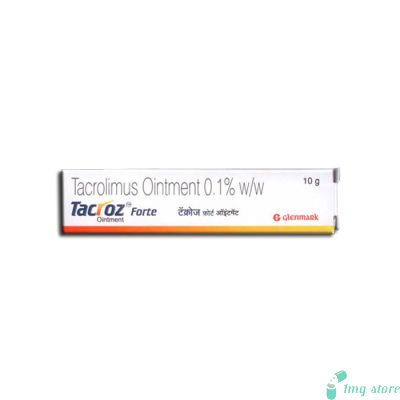
Tacroz Ointment contains tacrolimus 0.03% w/w and is a topical product used to help manage eczema, also known as atopic dermatitis. It works by reducing certain immune activity involved in skin inflammation.
What Is Tacroz Ointment Used For?
Tacroz Ointment is mainly used for moderate to severe atopic dermatitis when other topical treatments have not provided adequate improvement or are not suitable. It can help reduce symptoms such as itching, redness, and skin irritation.
How Does Tacroz Ointment Work?
Tacrolimus helps calm certain immune signals in the skin. By reducing this activity, it can help control the inflammation associated with eczema and improve related skin symptoms.
| Product Information | Details |
| Product Name | Tacroz Ointment |
| Active Ingredient | Tacrolimus |
| Strength | 0.03% w/w |
| Form | Ointment |
| Main Use | Atopic dermatitis (eczema) |
| Route | Topical skin application |
| Common Symptoms Managed | Itching, redness, irritation, and rash |
Main Skin Benefits
Tacroz Ointment can help manage common eczema symptoms, including itching, redness, irritation, and rash. It is generally applied only to affected areas of the skin.
Topical Application
Tacroz Ointment is intended for external use on the skin. A thin layer is applied to affected areas as directed. Avoid applying it to the eyes, mouth, or other areas not intended for treatment.
Consistent Skin Care
Along with Tacroz Ointment, maintaining a gentle skin-care routine and using suitable moisturizers can help keep eczema-prone skin comfortable. Avoiding known skin irritants may also support better skin care.
Important Information
Tacroz Ointment should be used according to the recommended application instructions. Temporary burning, stinging, or itching at the application site can occur, particularly during the first few days of use. These symptoms commonly improve as the skin condition settles.
Precaution
Use Only on Affected Skin
Apply Tacroz Ointment only to areas affected by eczema. Avoid unnecessary application to healthy skin.
Avoid Long-Term Continuous Use
Tacrolimus ointment is generally intended for short-term or intermittent use. Continuous long-term application should be avoided.
Avoid Eye and Mouth Contact
Tacroz Ointment is for external skin use. Keep it away from the eyes, mouth, and other sensitive areas.
Avoid Covered Skin
Do not cover treated areas with tight or airtight dressings unless specifically advised, as this may increase absorption.
Protect Treated Skin From Sun
Limit unnecessary exposure to sunlight and avoid tanning beds or similar UV exposure while using tacrolimus ointment.
Check Persistent Symptoms
If eczema symptoms such as itching, rash, or redness do not improve within about 6 weeks, the skin condition should be reassessed.
Children Under 2 Years
Tacrolimus ointment is not indicated for children younger than 2 years. The appropriate strength also depends on age.
Skin Conditions
Tacrolimus ointment should not be used on certain unusual or damaged skin conditions where absorption may be increased.
Initial Skin Sensations
Mild burning, stinging, soreness, or itching may occur after application, especially during the first few days. These effects often improve as the skin settles.
Usage
Apply a Thin Layer
Apply a thin layer of Tacroz Ointment to the areas of skin affected by eczema. Gently rub it into the skin until absorbed.
Wash Your Hands Before Application
Clean and dry your hands before applying the ointment. This helps keep the application area clean.
Use Only on Affected Skin
Apply Tacroz Ointment only to areas affected by eczema. Avoid unnecessary application to healthy skin.
Use as Directed
Tacrolimus ointment is generally applied twice daily during active treatment. Follow the recommended amount and schedule for your particular product.
Keep the Skin Dry
If applying after bathing or showering, make sure the skin is completely dry before using the ointment.
Avoid Eyes and Mouth
Tacroz Ointment is for external skin use. Keep it away from the eyes, inside the nose, and mouth. If accidental contact occurs, rinse the area with water.
Uses
Eczema Management
Tacroz Ointment is mainly used to help manage atopic dermatitis, commonly known as eczema, by calming inflammation in the skin.
Relieves Skin Itching
It can help reduce persistent itching associated with eczema, making the affected skin more comfortable.
Reduces Redness
Tacroz Ointment helps control skin inflammation that may contribute to redness and irritation.
Helps Calm Skin Irritation
It can help soothe irritated skin and reduce discomfort linked with eczema-related inflammation.
Supports Sensitive Skin Areas
Tacrolimus ointment may be useful for certain areas where eczema occurs, including sensitive skin, when used according to recommended guidance.
Helps Manage Eczema Flare-Ups
Tacroz Ointment can help control active eczema symptoms and may be used intermittently when recommended as part of ongoing skin care.
Side Effects
Burning Sensation
A mild burning or warm feeling may occur after applying Tacroz Ointment, especially during the first few days.
Itching
Some people may notice temporary itching at the application area. This often improves as the skin becomes accustomed to the ointment.
Redness
The treated skin may become slightly red or irritated after application, particularly when treatment is first started.
Stinging
A temporary stinging sensation can occur on areas affected by eczema. It usually settles with continued use.
Skin Sensitivity
The treated area may feel more sensitive or uncomfortable for a short time after application.
Increased Skin Warmth
Some users may notice warmth around the area where Tacroz Ointment has been applied.
Folliculitis
Small bumps around hair follicles may occasionally develop in the treated area.
Skin Infection
Tacrolimus can affect local immune activity, so skin infections may occur or become more noticeable in some people.
FAQs
What is Tacroz Ointment?
Tacroz Ointment contains tacrolimus and is used to help manage eczema (atopic dermatitis).
What is Tacroz Ointment used for?
It helps reduce eczema-related symptoms such as itching, redness, irritation, and skin inflammation.
How does Tacroz Ointment work?
Tacrolimus helps reduce certain immune activity in the skin, which can help calm eczema-related inflammation.
How should Tacroz Ointment be applied?
Apply a thin layer to the affected skin as directed. Use it only on the areas being treated.
Can Tacroz Ointment be used on the face?
Tacrolimus ointment may be used on certain sensitive skin areas, but application should follow the recommended instructions for the affected area.
Can Tacroz Ointment be used every day?
It may be used according to the recommended treatment schedule. Avoid continuous use for longer than advised.
Does Tacroz Ointment cause burning?
Mild burning, warmth, itching, or stinging can occur after application, especially during the first few days.
Can I use moisturizer with Tacroz Ointment?
Moisturizers may be part of an eczema skin-care routine. Allow the ointment to absorb and follow the recommended application instructions.
Interaction
Other Skin Products
Using several topical products on the same affected area may cause extra irritation. Keep the skincare routine simple and use additional products as advised.
CYP3A4 Inhibitors
Medicines such as erythromycin, itraconazole, ketoconazole, fluconazole, some calcium-channel blockers, and cimetidine may affect tacrolimus levels, particularly when Tacroz is applied over large or severely affected areas.
Antifungal Medicines
Some antifungal medicines can influence tacrolimus levels. Inform a healthcare professional if you are using medicines such as itraconazole, ketoconazole, or fluconazole.
Certain Antibiotics
Some antibiotics, including erythromycin, may affect tacrolimus exposure. Mention all current medicines before starting treatment.
Blood Pressure Medicines
Certain calcium-channel blockers may interact with tacrolimus. This is more relevant when Tacroz is used over widespread or significantly affected skin.
Large-Area Application
Tacrolimus ointment generally has limited absorption through the skin, so interactions with medicines taken by mouth are considered unlikely. However, interactions cannot be completely ruled out, especially when large areas of affected skin are treated.
| Manufacturer | : | Glenmark Pharmaceuticals Ltd |
| Equivalent Brand | : | Protopic |
| Generic Search | : | Tacrolimus |
Latest Products