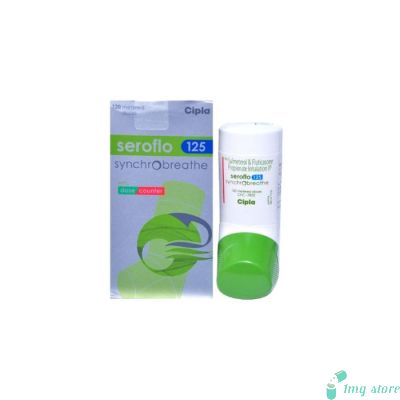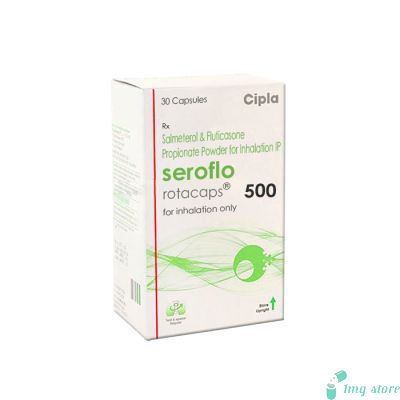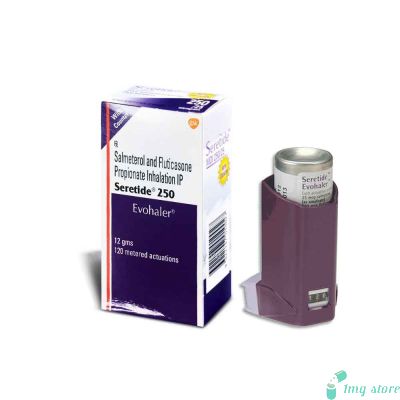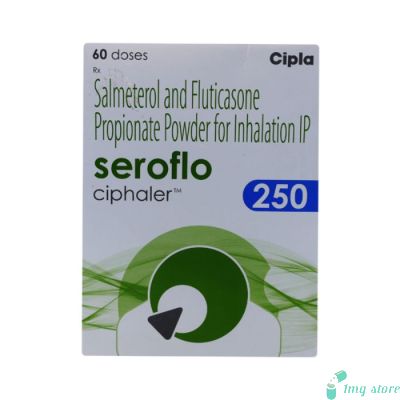
Seretide Accuhaler (Salmeterol + Fluticasone Propionate) | Used for Asthma & COPD Management
Seretide Accuhaler contains Salmeterol and Fluticasone Propionate, a combination of a long-acting bronchodilator and an inhaled corticosteroid. It is used regularly to help control breathing symptoms associated with asthma and, at the appropriate strength, chronic obstructive pulmonary disease (COPD).


Product Overview
Seretide Accuhaler is a combination inhalation medicine containing Salmeterol and Fluticasone Propionate. It is designed for regular maintenance treatment of respiratory conditions in which both a long-acting bronchodilator and an inhaled corticosteroid are appropriate.
Salmeterol is a long-acting beta-2 agonist (LABA) that helps relax the muscles surrounding the airways, making it easier for air to move in and out of the lungs. Fluticasone Propionate is an inhaled corticosteroid that reduces inflammation and swelling inside the airways.
Seretide Accuhaler is available in different strengths containing 50 mcg of salmeterol with 100 mcg, 250 mcg, or 500 mcg of fluticasone propionate per pre-dispensed dose. The appropriate strength depends on the individual's condition and treatment requirements.
Key Points
- Contains Salmeterol and Fluticasone Propionate
- Combination of a long-acting bronchodilator and inhaled corticosteroid
- Used for regular control of asthma
- The 50/500 mcg strength is indicated for symptomatic treatment of certain patients with COPD
- Helps improve airflow and reduce airway inflammation
- Available as a dry-powder inhalation device
- Should be used regularly as prescribed, even when symptoms are controlled
Product Information
| Product Information | Details |
| Generic Name | Salmeterol + Fluticasone Propionate |
| Active Ingredients | Salmeterol xinafoate + Fluticasone Propionate |
| Medicine Type | Combination inhalation medicine |
| Drug Classes | Long-acting beta-2 agonist + Inhaled corticosteroid |
| Dosage Form | Dry powder inhaler |
| Available Strengths | 50/100 mcg, 50/250 mcg, 50/500 mcg |
| Route of Administration | Oral inhalation |
| Main Uses | Asthma and selected COPD patients |
Benefits
- Helps relax tightened airway muscles.
- Helps reduce inflammation and swelling in the airways.
- Can help improve airflow and breathing control.
- Regular treatment may help reduce respiratory symptoms and asthma exacerbations.
precaution
1. Allergic Reaction
Do not use Seretide if you have previously experienced an allergic reaction to salmeterol, fluticasone propionate, lactose containing milk proteins, or any other ingredient in the inhaler.
2. Sudden Breathing Problems
Seretide is a maintenance medicine and should not be relied upon for immediate relief of a sudden asthma attack. Keep the prescribed fast-acting rescue inhaler available for sudden symptoms.
3. Heart Problems
Tell your doctor if you have heart disease, an irregular heartbeat, high blood pressure, or other cardiovascular problems. Salmeterol may occasionally affect heart rate or blood pressure.
4. Thyroid Problems
Inform your doctor if you have an overactive thyroid, as beta-2 agonists such as salmeterol should be used cautiously in this situation.
5. Diabetes
Salmeterol may occasionally affect blood glucose levels. Patients with diabetes may require appropriate monitoring.
6. Low Potassium
Beta-2 agonists can sometimes lower blood potassium levels. This risk may be greater when Seretide is combined with certain diuretics, steroids, or xanthine medicines.
7. Tuberculosis and Lung Infections
Tell your doctor if you currently have or previously had tuberculosis or another lung infection. Inhaled corticosteroids can affect immune responses in the airways.
8. Oral Fungal Infection
Fluticasone may increase the risk of oral thrush. Rinsing the mouth with water and spitting it out after inhalation can help reduce this risk.
Usage
- Use Seretide Accuhaler exactly as prescribed by your doctor.
- It is intended for inhalation through the mouth using the Accuhaler device.
- Open and prepare the device according to the instructions provided with the inhaler.
- Breathe in the dose deeply through the mouthpiece.
- Do not swallow the powder.
- Do not use more doses than prescribed.
- Use the inhaler regularly, even when you are feeling well, unless your doctor tells you otherwise.
- Rinse your mouth with water and spit it out after using the inhaler to help reduce the risk of oral thrush.
- Keep the inhaler dry and follow the storage instructions supplied with the product.
- Check the dose counter regularly so you know when the inhaler needs to be replaced.
Uses
1. Asthma
Seretide Accuhaler is used for regular maintenance treatment of asthma when both an inhaled corticosteroid and a long-acting beta-2 agonist are appropriate.
2. Asthma Symptom Control
It helps control symptoms such as wheezing, coughing, chest tightness, and breathing difficulty associated with persistent asthma.
3. Prevention of Asthma Exacerbations
Regular treatment may help reduce worsening of asthma symptoms and exacerbations in appropriately selected patients.
4. Chronic Obstructive Pulmonary Disease (COPD)
The 50/500 mcg strength is indicated for symptomatic treatment of certain adults with COPD who have significant symptoms and a history of repeated exacerbations despite regular bronchodilator treatment.
5. Long-Term Airway Management
The combination provides both bronchodilator and anti-inflammatory effects, supporting ongoing control of airway symptoms when combination therapy is prescribed.
Side Effects
Common Side Effects
- Headache
- Tremor or shakiness
- Palpitations
- Hoarseness or voice changes
- Throat irritation
- Oral thrush
- Muscle cramps
These effects may be related to salmeterol or inhaled corticosteroid treatment and are often manageable with appropriate use.
Serious Side Effects
Seek medical attention if you experience:
- Severe difficulty breathing immediately after using the inhaler
- Severe allergic reaction
- Significant or persistent heart palpitations
- Irregular heartbeat
- Severe weakness or muscle cramps associated with low potassium
- Persistent or worsening respiratory infection
- Vision changes such as blurred vision
- Signs of adrenal or systemic corticosteroid effects
FAQs
1. What is Seretide Accuhaler used for?
Seretide Accuhaler is used for regular maintenance treatment of asthma. The 50/500 mcg strength is also indicated for symptomatic treatment of certain adults with COPD.
2. What are the active ingredients in Seretide Accuhaler?
It contains Salmeterol and Fluticasone Propionate. Salmeterol is a long-acting beta-2 agonist, while fluticasone propionate is an inhaled corticosteroid.
3. What strengths are available?
Seretide Accuhaler is available as 50/100 mcg, 50/250 mcg, and 50/500 mcg, referring to salmeterol/fluticasone propionate per pre-dispensed dose.
4. Is Seretide Accuhaler a rescue inhaler?
No. Seretide is intended for regular maintenance treatment and is not designed to provide rapid relief during a sudden asthma attack. A fast-acting rescue inhaler may be prescribed separately.
5. Can Seretide be used every day?
Yes. Seretide is designed for regular daily use when prescribed as maintenance therapy. It should be used according to the dose and schedule recommended by your doctor.
6. Can Seretide cause oral thrush?
Yes. Fluticasone propionate can increase the risk of oral candidiasis. Rinsing your mouth with water and spitting it out after inhalation can help reduce this risk.
7. Can Seretide cause palpitations?
Salmeterol can sometimes cause palpitations or an increased heart rate. Persistent or significant palpitations should be discussed with a healthcare professional.
8. Can Seretide be used for COPD?
Yes, but the approved use depends on the strength and patient characteristics. The 50/500 mcg Accuhaler is indicated for symptomatic treatment of certain adults with COPD with significant symptoms and repeated exacerbations.
Interactions
1. Beta-Blockers
Medicines such as propranolol, atenolol, and sotalol may reduce or oppose the effect of salmeterol. Beta-blockers should generally be avoided in asthma unless there is a compelling medical reason for their use.
2. Ketoconazole and Other Strong CYP3A4 Inhibitors
Ketoconazole and other potent CYP3A4 inhibitors can increase exposure to salmeterol and may increase the risk of palpitations and other systemic effects.
3. Ritonavir and Cobicistat
Ritonavir and cobicistat-containing medicines can increase exposure to fluticasone propionate and may increase the risk of systemic corticosteroid effects. These combinations should generally be avoided unless the expected benefit outweighs the risk.
4. Other Corticosteroids
Using Seretide together with oral, injected, or other inhaled corticosteroids may increase overall corticosteroid exposure. Your doctor should know about all steroid medicines you are using.
5. Diuretics
Water tablets or diuretics can increase the risk of low potassium when used with beta-2 agonists such as salmeterol.
6. Xanthine Medicines
Medicines such as theophylline may increase the risk of low potassium and other beta-2 agonist-related effects when used with salmeterol.
7. Other Bronchodilators
Using additional bronchodilators, including other beta-2 agonists, may produce additive effects. Tell your doctor about all inhalers you use.
| Manufacturer | : | Cipla Ltd |
| Equivalent Brand | : | Advair Diskus |
| Generic Search | : | Salmeterol + Fluticasone Propionate |
Latest Products