Spegra Tablet (Dolutegravir + Emtricitabine + Tenofovir Alafenamide): Antiretroviral Tablet | For HIV-1 Infection Management, Viral Load Suppression
Spegra Tablet contains dolutegravir 50 mg, emtricitabine 200 mg, and tenofovir alafenamide 25 mg. This combination antiviral medicine is used to manage HIV-1 infection by targeting different stages of viral activity. It helps reduce the amount of virus in the body


Product Overview
Spegra Tablet is a combination antiviral medicine containing dolutegravir 50 mg, emtricitabine 200 mg, and tenofovir alafenamide 25 mg. It is used in the management of HIV-1 infection as part of an appropriate treatment plan. These three active ingredients work together to help reduce viral activity and maintain control of the infection.
HIV-1 affects the immune system by targeting certain cells that help the body defend itself against infections. Spegra combines medicines that act on different stages of the virus's life cycle, helping limit its ability to multiply. Consistent treatment supports viral suppression and long-term health management.
Active Ingredients in Spegra Tablet
Spegra contains three antiviral ingredients, each with a distinct role in controlling viral replication.
1. Dolutegravir 50 mg
Dolutegravir belongs to a class of medicines called integrase strand transfer inhibitors (INSTIs). It blocks the HIV integrase enzyme, which the virus needs to insert its genetic material into human cells. This action helps prevent the virus from completing an important stage of its replication cycle.
2. Emtricitabine 200 mg
Emtricitabine is a nucleoside reverse transcriptase inhibitor (NRTI). It interferes with reverse transcriptase, an enzyme HIV uses to convert its genetic material into DNA. By disrupting this process, emtricitabine helps limit the production of new copies of the virus.
3. Tenofovir Alafenamide 25 mg
Tenofovir alafenamide is another antiviral ingredient that targets reverse transcriptase. It is converted into its active form inside cells, where it helps interrupt viral DNA production. Along with emtricitabine, it contributes to the combination's overall antiviral effect.
Importance of Consistent Treatment
Taking Spegra regularly helps maintain antiviral activity in the body. Missing doses or stopping treatment without medical guidance may allow the virus to multiply and can contribute to treatment resistance. If a dose is missed or the daily routine needs to change, follow the patient leaflet or seek advice from a healthcare professional.
Monitoring During Treatment
Regular follow-up helps assess the effectiveness of Spegra and supports ongoing treatment planning. Monitoring may include viral load tests, immune system assessments, kidney function tests, and other investigations based on individual health needs. These checks help healthcare professionals evaluate treatment response and identify any issues that may require attention.
Summary
Spegra Tablet combines dolutegravir, emtricitabine, and tenofovir alafenamide to target different stages of HIV-1 replication. It helps reduce viral activity and supports long-term infection management when taken consistently as directed. Individual treatment suitability and progress should be assessed by a qualified healthcare professional.
Precaution
1. Follow the Recommended Dose
Take Spegra Tablet exactly as directed by your healthcare professional. Do not change the dose or treatment schedule yourself.
2. Inform About Kidney Problems
Spegra contains tenofovir alafenamide and emtricitabine. Tell your healthcare professional about any kidney concerns, as kidney function may need monitoring.
3. Check Liver Health
Inform your healthcare professional about any history of liver disease, including hepatitis B or hepatitis C, before starting treatment.
4. Do Not Stop Treatment Suddenly
Stopping Spegra without medical guidance may allow HIV levels to rise and affect treatment control. If hepatitis B is also present, stopping treatment may worsen the liver infection.
5. Review Other Medicines
Tell your healthcare professional about all medicines, vitamins, and herbal supplements you take. Some products can affect how Spegra works.
6. Check for Possible Interactions
Medicines containing dofetilide must not be taken with dolutegravir. Some antacids and mineral supplements can also affect dolutegravir absorption, so follow the recommended timing instructions.
Usage
Spegra Tablet contains dolutegravir 50 mg, emtricitabine 200 mg, and tenofovir alafenamide 25 mg. It is used to manage HIV-1 infection by helping control viral replication. Take it consistently according to your healthcare professional’s instructions.
1. Recommended Dose
Spegra is generally taken as one tablet once daily, but follow the dosage instructions provided for your specific treatment plan.
2. How to Take Spegra
Swallow the tablet with water. It can generally be taken with or without food, unless your healthcare professional advises otherwise.
3. Maintain a Regular Schedule
Take Spegra at approximately the same time each day to help maintain consistent medicine levels in the body.
4. If You Miss a Dose
Take the missed dose when you remember, unless it is nearly time for your next dose. Do not double the dose. If unsure, follow the patient leaflet or ask a healthcare professional.
Uses
Spegra Tablet contains dolutegravir 50 mg, emtricitabine 200 mg, and tenofovir alafenamide 25 mg. This combination antiviral medicine is used to manage HIV-1 infection by targeting different stages of viral replication.
1. Management of HIV-1 Infection
Spegra helps control HIV-1 infection by reducing the virus's ability to multiply in the body.
2. Reduction of Viral Load
The combination helps lower the amount of HIV in the blood when taken consistently as directed.
3. Support for Immune System Health
Maintaining viral suppression can help preserve immune system function and support long-term health.
4. Long-Term Infection Management
Spegra can form part of an ongoing HIV treatment plan, with regular monitoring to assess treatment response.
Side Effects
Spegra Tablet contains dolutegravir 50 mg, emtricitabine 200 mg, and tenofovir alafenamide 25 mg. Although it helps manage HIV-1 infection, some people may experience side effects during treatment. These effects can vary from person to person.
1. Common Side Effects
Headache: Mild headaches may occur during treatment.
Nausea: Some people may experience a feeling of sickness or stomach discomfort.
Diarrhoea: Changes in bowel habits may occur in some individuals.
Difficulty Sleeping: Some people may notice changes in their sleep routine.
Tiredness: Feeling unusually tired or low in energy may occur.
2. Digestive Discomfort
Stomach Pain: Mild abdominal discomfort can occur in some people.
Vomiting: If vomiting persists or affects your ability to take the medicine, seek medical advice.
3. Changes in Mood or Sleep
Mood Changes: Dolutegravir may be associated with mood-related symptoms in some individuals. Report persistent changes in mood, unusual anxiety, or difficulty sleeping to a healthcare professional.
4. Liver-Related Effects
Changes in Liver Function: Some people may experience changes in liver test results. Yellowing of the skin or eyes, dark urine, or severe abdominal pain requires prompt medical assessment.
5. Kidney-Related Effects
Changes in Kidney Function: Kidney-related problems are possible, although tenofovir alafenamide generally has a more favourable kidney safety profile than tenofovir disoproxil fumarate. Follow recommended kidney monitoring.
FAQs
1. What is Spegra Tablet used for?
Spegra Tablet is used to manage HIV-1 infection by helping reduce the amount of virus in the body.
2. What are the active ingredients in Spegra Tablet?
It contains dolutegravir 50 mg, emtricitabine 200 mg, and tenofovir alafenamide 25 mg.
3. How does Spegra Tablet work?
Its ingredients target different stages of HIV replication to help control viral activity.
4. How should Spegra Tablet be taken?
Take it as directed by your healthcare professional, usually once daily. Follow the instructions supplied with your specific pack.
5. Can Spegra Tablet cure HIV?
No. It helps control the infection but does not eliminate HIV from the body.
6. Is it important to take Spegra regularly?
Yes. Consistent use helps maintain viral suppression and reduces the risk of treatment resistance.
7. What happens if a dose is missed?
Follow the patient leaflet or ask a healthcare professional for guidance. Do not take an extra dose to make up for a missed one.
8. Can Spegra Tablet interact with other medicines?
Yes. Some antacids, mineral supplements, rifampicin, and certain anticonvulsants can affect its action.
Interactions
Spegra Tablet contains dolutegravir 50 mg, emtricitabine 200 mg, and tenofovir alafenamide 25 mg. Certain medicines and supplements can affect how these ingredients work. Inform your healthcare professional about all products you take before starting Spegra.
1. Antacid Medicines
Some antacids containing aluminium or magnesium can reduce dolutegravir absorption. Follow the recommended timing instructions when taking them with Spegra.
2. Mineral Supplements
Calcium, iron, and other mineral supplements may affect dolutegravir absorption. Ask your healthcare professional how to space these products from Spegra.
3. Rifampicin
Rifampicin can reduce dolutegravir levels and may affect treatment effectiveness. A healthcare professional should review the treatment plan if both medicines are being considered.
4. Certain Anticonvulsants
Medicines such as carbamazepine, oxcarbazepine, phenytoin, and phenobarbital may lower dolutegravir levels. Check for suitable alternatives or adjustments with your healthcare professional.
5. Dofetilide
Dofetilide must not be taken with dolutegravir because the combination can increase dofetilide levels and cause serious heart-related effects.
6. Other Antiviral Medicines
Some antiviral medicines may overlap with ingredients in Spegra or affect their levels. A healthcare professional should review your complete treatment list before combining them.
| Manufacturer | : | Emcure Pharmaceuticals Ltd. |
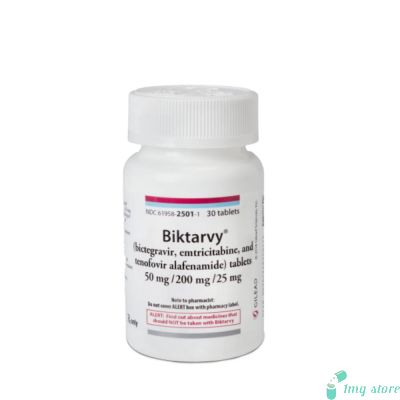
| Equivalent Brand | : | Biktarvy |
| Generic Search | : | Dolutegravir + Emtricitabine + Tenofovir Alafenamide |
Latest Products