Symbal Tablet (Duloxetine) | For Depression, Anxiety Disorders, and Neuropathic Pain Management
Symbal Tablet contains duloxetine as its active ingredient. It belongs to a group of medicines called serotonin-norepinephrine reuptake inhibitors (SNRIs) and is used to help manage depression, anxiety, and certain types of nerve-related pain. The available strengths include 20 mg, 30 mg, 40 mg, and 60 mg.


Product Overview
Symbal Tablet contains duloxetine as its active ingredient. It belongs to a class of medicines known as serotonin-norepinephrine reuptake inhibitors (SNRIs), which help regulate the activity of certain chemical messengers in the brain and nervous system. Symbal is available in strengths such as 20 mg, 30 mg, 40 mg, and 60 mg. The exact strength and formulation should be verified on the product packaging.
What Is Symbal Tablet?
Symbal Tablet is a duloxetine-based medicine used for conditions such as depression, anxiety disorders, and certain types of long-lasting or nerve-related pain, depending on the approved indication and individual treatment plan.
Duloxetine works by influencing serotonin and norepinephrine, two chemical messengers involved in mood regulation and the body's processing of pain signals. By helping regulate their activity, it can support emotional well-being and help reduce certain types of persistent pain.
How Symbal Tablet Works
Symbal Tablet works by reducing the reuptake of serotonin and norepinephrine in the nervous system. This allows these chemical messengers to remain active between nerve cells for longer.
These messengers are involved in several important functions:
Mood regulation: Serotonin and norepinephrine contribute to emotional balance and mood.
Anxiety management: Their activity is involved in the body's response to stress and anxiety.
Pain signal regulation: Duloxetine influences pathways in the central nervous system that help control how pain signals are processed.
Nerve-related discomfort: It may help reduce certain types of persistent pain associated with nerve conditions.
The response to treatment varies between individuals and may take several weeks, depending on the condition being managed.
Role in Nerve-Related Pain Management
Symbal Tablet may also be used to manage certain types of persistent pain, including diabetic peripheral neuropathic pain and other approved pain conditions, depending on the product's authorised indications.
Duloxetine acts on pain-regulating pathways in the central nervous system rather than simply numbing the affected area. This may help reduce the intensity of certain pain signals and improve daily functioning for some individuals.
Key Features of Symbal Tablet
| Product detail | Information |
| Brand name | Symbal Tablet |
| Active ingredient | Duloxetine |
| Medicine class | Serotonin-norepinephrine reuptake inhibitor (SNRI) |
| Available strengths | 20 mg, 30 mg, 40 mg, and 60 mg |
| Dosage form | Gastro-resistant oral tablet |
| Route of administration | Oral |
Precaution
Symbal Tablet contains duloxetine. Following the precautions below can help support safe and appropriate use.
1. Liver Health
Inform your healthcare professional about any liver problems or regular heavy alcohol consumption before starting treatment.
2. Kidney Function
Tell your healthcare professional about kidney problems, as they may affect the suitability or dosage of duloxetine.
3. Blood Pressure
Duloxetine may increase blood pressure. Regular monitoring may be recommended during treatment.
4. Other Medicines
Share details of all medicines and supplements you take, especially antidepressants, tramadol, and blood-thinning medicines.
5. Dizziness and Drowsiness
If you feel dizzy or sleepy, avoid driving or operating machinery until you feel alert.
6. Pregnancy and Breastfeeding
Seek professional guidance before using Symbal Tablet during pregnancy or breastfeeding.
7. Alcohol Consumption
Avoid heavy alcohol consumption because combining it with duloxetine may increase the risk of liver problems.
8. Stopping Treatment
Do not stop Symbal Tablet suddenly. The dose usually needs to be reduced gradually under professional guidance.
Usage
Symbal Tablet contains duloxetine, a medicine used to manage certain mood-related conditions and types of nerve-related pain. It works by regulating serotonin and norepinephrine, chemical messengers involved in mood and pain signalling. Use Symbal Tablet according to your healthcare professional's instructions.
How to Take Symbal Tablet
Recommended Dose: Take the strength advised by your healthcare professional based on your condition and response.
Administration: Swallow the tablet as directed. Do not crush or chew a gastro-resistant tablet.
Timing: Follow a consistent daily schedule to support regular use.
With Food: Follow the instructions provided with your specific product.
Missed Dose: Follow the patient leaflet or ask your healthcare professional for advice. Do not take a double dose.
Stopping Treatment: Do not stop suddenly, as this may cause withdrawal-like symptoms. The dose may need to be reduced gradually.
Uses
Symbal Tablet contains duloxetine as its active ingredient. It belongs to the serotonin-norepinephrine reuptake inhibitor (SNRI) group and helps regulate chemical messengers involved in mood and pain signalling.
1. Depression Management
Symbal Tablet is used to manage depression and may help improve mood, interest in daily activities, and emotional well-being.
2. Anxiety Disorders
Duloxetine helps manage certain anxiety disorders by regulating chemical activity associated with stress and anxiety.
3. Diabetic Nerve Pain
Symbal Tablet may help reduce nerve-related pain associated with diabetes by influencing pain signals in the nervous system.
4. Chronic Musculoskeletal Pain
Duloxetine may be used to manage certain types of long-lasting muscle, bone, and joint pain, depending on the approved indication.
5. Fibromyalgia-Related Pain
In some settings, duloxetine is used to help manage widespread pain and related symptoms associated with fibromyalgia.
Important: The approved uses depend on the specific product and local guidelines. Take Symbal Tablet only according to your healthcare professional's advice.
Side Effects
Symbal Tablet contains duloxetine, a medicine used to manage certain mood-related conditions and types of nerve-related pain. Some people may experience side effects, although not everyone does.
Common Effects
Nausea: A feeling of discomfort in the stomach may occur, especially when starting treatment.
Dry Mouth: You may notice reduced saliva or dryness in the mouth.
Dizziness: Feeling light-headed or unsteady can occur.
Sleepiness: Some people experience drowsiness or tiredness.
Constipation: Bowel movements may become less frequent.
Increased Sweating: Sweating more than usual may occur.
Reduced Appetite: Some individuals may notice changes in appetite.
FAQs
1. What is Symbal Tablet used for?
Symbal Tablet contains duloxetine and is used to manage depression, certain anxiety disorders, and specific types of nerve-related pain.
2. What is the active ingredient in Symbal Tablet?
The active ingredient is duloxetine, which belongs to the serotonin-norepinephrine reuptake inhibitor (SNRI) group.
3. How does Symbal Tablet work?
It helps regulate serotonin and norepinephrine, chemical messengers involved in mood regulation and pain signalling.
4. What strengths are available for Symbal Tablet?
Symbal Tablet may be available in strengths such as 20 mg, 30 mg, 40 mg, and 60 mg. Check the product packaging for the exact strength.
5. How long does Symbal Tablet take to work?
Some people notice gradual improvement within a few weeks, although the response varies depending on the condition being treated.
6. Can Symbal Tablet be taken with food?
Duloxetine formulations may have different instructions. Follow the directions provided with your specific Symbal Tablet product.
7. Can Symbal Tablet be stopped suddenly?
No. Stopping duloxetine abruptly may cause withdrawal-like symptoms. Consult your healthcare professional about gradually reducing the dose.
8. Can Symbal Tablet interact with other medicines?
Yes. Certain antidepressants, tramadol, blood-thinning medicines, and some antibiotics may interact with duloxetine.
Interactions
Symbal Tablet contains duloxetine, which may interact with certain medicines and increase the risk of unwanted effects. Inform your healthcare professional about all medicines, vitamins, and supplements you take.
1. Other Antidepressants
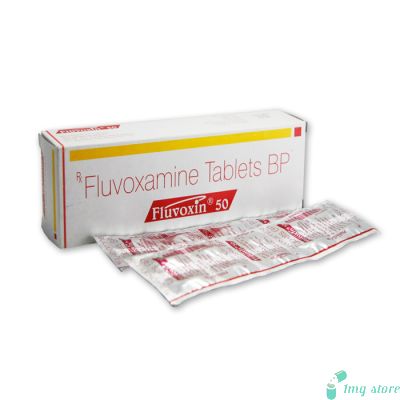
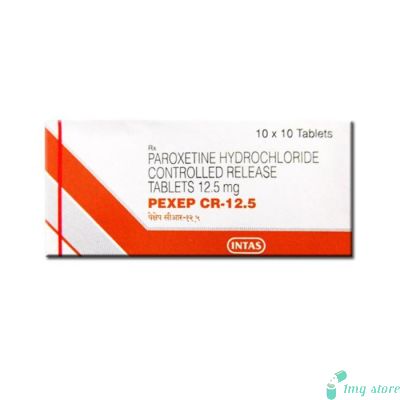
Medicines such as fluoxetine, paroxetine, and fluvoxamine may affect duloxetine levels or increase the risk of serotonin-related reactions.
2. Tramadol and Other Serotonin-Affecting Medicines
Combining duloxetine with tramadol or similar medicines may increase the risk of serotonin syndrome, a potentially serious reaction.
3. Blood-Thinning Medicines
Medicines such as warfarin may increase the risk of bleeding when taken with duloxetine.
4. Pain Relievers
Anti-inflammatory medicines such as ibuprofen and naproxen, as well as aspirin, may increase the risk of bleeding when combined with duloxetine.
5. Certain Antibiotics
Ciprofloxacin may increase duloxetine levels in the body and raise the risk of unwanted effects.
6. Cough Medicines
Dextromethorphan, found in some cough products, may increase the risk of serotonin-related reactions when combined with duloxetine.
7. Alcohol
Alcohol may increase concerns about liver-related effects during duloxetine treatment. Discuss alcohol consumption with your healthcare professional.
Important Advice
Do not start, stop, or change any medicine without professional guidance. Seek urgent medical attention if you develop severe agitation, fever, heavy sweating, muscle stiffness, or unusual bleeding while taking Symbal Tablet.
| Manufacturer | : | Torrent Pharma, India |
| Equivalent Brand | : | Cymbalta |
| Generic Search | : | Duloxetine |
Latest Products