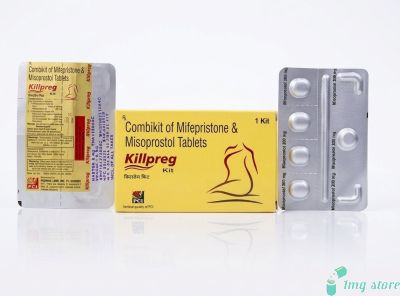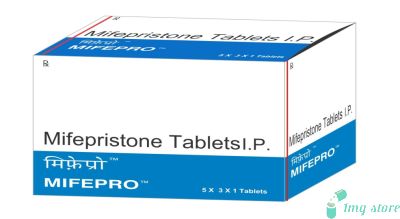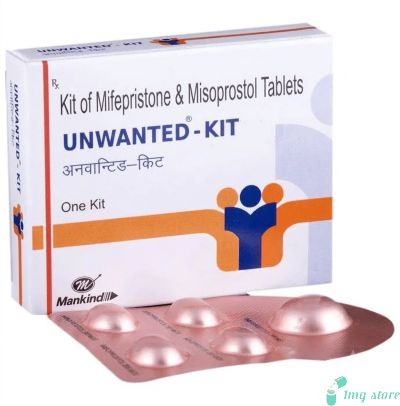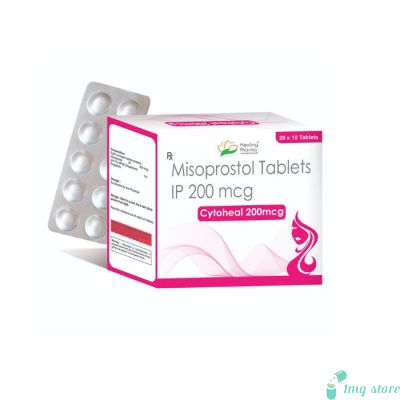
Unwanted Tablet (Mifepristone) | Used for Medical Termination of Early Pregnancy
Unwanted 200mg Tablet contains Mifepristone, an antiprogestin medicine used with Misoprostol for medical termination of an early intrauterine pregnancy. It works by blocking progesterone, a hormone needed to maintain pregnancy.


Product Overview
Unwanted Tablet (Mifepristone) contains mifepristone, an antiprogestin medicine used for the medical termination of an early intrauterine pregnancy. Mifepristone works by blocking the action of progesterone, a hormone that is important for maintaining pregnancy. In medical abortion regimens, mifepristone is generally used as part of a treatment plan that may include misoprostol, according to the healthcare provider's instructions.
Key Points
- Active Ingredient: Mifepristone
- Medicine Class: Antiprogestin
- Primary Use: Medical termination of early intrauterine pregnancy
- How It Works: Blocks the action of progesterone needed to maintain pregnancy
- Administration: Taken orally as directed by a healthcare professional
- Treatment Approach: May be used with misoprostol as part of a medical abortion regimen
- Medical Supervision: Appropriate assessment and follow-up are important to confirm that the pregnancy has been completely terminated.
How Does Unwanted Tablet Work?
Unwanted Tablet works by blocking progesterone receptors. Progesterone supports the uterine lining and helps maintain pregnancy. When its action is blocked, changes occur in the uterine lining and the pregnancy cannot continue normally. When mifepristone is used with misoprostol, misoprostol helps produce uterine contractions that assist in expelling the pregnancy.
Benefits of Unwanted Tablet
- Helps provide a medication-based approach for terminating an early intrauterine pregnancy.
- Blocks progesterone, which is essential for maintaining pregnancy.
- Can be used as part of a medically supervised regimen with misoprostol.
- Avoids the need for a surgical procedure in appropriate cases.
- Medical follow-up can be used to confirm whether the termination has been completed.
Precaution
1. Use Only as Prescribed
Take Unwanted Tablet only according to the instructions of a qualified healthcare professional. Do not change the dose or treatment schedule yourself.
2. Confirm the Pregnancy Location
An ectopic pregnancy must be ruled out before treatment. Mifepristone does not treat ectopic pregnancy, which can become a serious medical emergency if untreated.
3. Confirm the Pregnancy Duration
The appropriate treatment depends on how far the pregnancy has progressed. The FDA-approved mifepristone regimen with Misoprostol is indicated through 70 days of gestation.
4. Follow the Misoprostol Schedule
Mifepristone is used together with Misoprostol in the approved regimen. Follow the prescribed timing and instructions exactly.
5. IUD in Place
Tell your healthcare professional if you have an intrauterine device. An IUD should be removed before starting the specific mifepristone regimen for medical termination.
6. Bleeding Disorders
Inform your doctor if you have a bleeding disorder because significant bleeding can occur during medical termination.
7. Blood-Thinning Medicines
Tell your healthcare professional if you take anticoagulants or other medicines that affect blood clotting. These medicines can increase concerns related to bleeding.
Usage
- Take Unwanted Tablet exactly as prescribed by your healthcare professional.
- The FDA-approved regimen uses Mifepristone 200 mg orally on Day 1, followed 24–48 hours later by Misoprostol according to the prescribed regimen.
- Do not change the interval between Mifepristone and Misoprostol without medical advice.
- Swallow the Mifepristone tablet as directed.
- Vaginal bleeding and abdominal cramping may occur after the Misoprostol component.
Uses
1. Medical Termination of Early Intrauterine Pregnancy
Unwanted 200mg Tablet is used with Misoprostol for medical termination of an early intrauterine pregnancy within the approved gestational-age range.
2. Progesterone Blockade
Mifepristone blocks progesterone receptors and interferes with the hormonal support required to maintain pregnancy.
3. Preparation for Misoprostol
Mifepristone helps prepare the uterus for the subsequent action of Misoprostol, which produces uterine contractions.
4. Medication-Based Pregnancy Termination
Mifepristone forms part of a nonsurgical medication regimen for early intrauterine pregnancy termination when clinically appropriate.
Side Effects
Common Side Effects
- Vaginal bleeding
- Abdominal cramping
- Nausea
- Vomiting
- Diarrhea
- Headache
- Dizziness
Serious Side Effects
Seek urgent medical attention for:
- Prolonged or very heavy vaginal bleeding
- Severe or persistent abdominal pain
- Fainting or severe weakness
- Sustained fever
- Severe pelvic pain
- Foul-smelling vaginal discharge
- Symptoms suggesting serious infection
FAQs
1. What is Unwanted Tablet used for?
Unwanted 200mg Tablet contains Mifepristone and is used with Misoprostol for medical termination of an early intrauterine pregnancy within the approved gestational-age range.
2. What does Unwanted Tablet contain?
Unwanted 200mg Tablet contains Mifepristone 200 mg.
3. How does Unwanted Tablet work?
Mifepristone blocks progesterone, a hormone needed to maintain pregnancy. This helps stop the pregnancy from continuing and prepares the uterus for the action of Misoprostol.
4. Is Unwanted Tablet used alone?
For the FDA-approved medical-abortion regimen, Mifepristone is used together with Misoprostol. The prescribed regimen should be followed exactly.
5. Does Unwanted Tablet cause bleeding?
Vaginal bleeding can occur during the treatment process, particularly after Misoprostol. Very heavy or prolonged bleeding requires urgent medical evaluation.
6. Can Unwanted Tablet treat ectopic pregnancy?
No. Mifepristone does not treat ectopic pregnancy. Ectopic pregnancy must be ruled out before the medical-abortion regimen is used.
7. Is follow-up required after taking Unwanted Tablet?
Yes. Follow-up is required to confirm that the pregnancy has been completely terminated.
Interactions
1. Corticosteroid Medicines
Mifepristone can interfere with glucocorticoid activity. Tell your doctor if you use corticosteroids, especially long-term therapy.
2. Blood-Thinning Medicines
Tell your doctor if you take anticoagulants or other medicines that affect blood clotting because bleeding is an important consideration during treatment.
3. CYP3A4 Inhibitors
Some medicines that inhibit CYP3A4 can increase mifepristone exposure. Your healthcare professional should review your medicines before treatment.
4. CYP3A4 Inducers
Some medicines that induce CYP3A4 can reduce mifepristone exposure and potentially affect its activity.
5. Rifampicin
Rifampicin is a CYP3A4 inducer and can affect mifepristone metabolism. Inform your healthcare professional if you take it.
6. Certain Anticonvulsants
Some anticonvulsants, including phenytoin, carbamazepine, and phenobarbital, can induce CYP3A4 and may affect mifepristone exposure.
7. St. John's Wort
St. John's Wort can affect CYP3A4 activity and may alter mifepristone levels. Tell your healthcare professional if you use this supplement.
| Manufacturer | : | Mankind Pharma Ltd. |
| Equivalent Brand | : | Mifeprex |
| Generic Search | : | Mifepristone |
Latest Products