Cytoheal Tablet (Misoprostol ) | Used for Pregnancy Termination & Bleeding Management
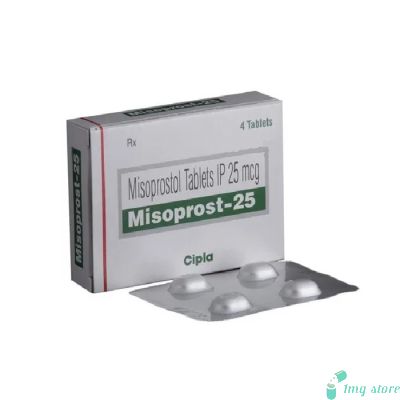
Cytoheal Tablet contains Misoprostol, a prostaglandin analogue that produces effects on the uterus. It is used in selected medical settings involving pregnancy termination and uterine contraction, including certain protocols for managing excessive bleeding after childbirth.


Product Overview
Cytoheal 200mcg Tablet contains Misoprostol, a synthetic prostaglandin E1 analogue. It produces effects on the uterus by increasing uterine contractions and causing changes in the cervix. These properties make misoprostol useful in specific obstetric and gynecological treatment protocols. It also has effects on the stomach, including reducing gastric acid secretion.
Key Points
- Contains Misoprostol 200mcg
- Belongs to the prostaglandin analogue group
- Helps produce uterine contractions
- Supports cervical changes when medically indicated
- Used in specific pregnancy-related treatment protocols
- May help prevent excessive bleeding after childbirth
- Helps reduce stomach acid secretion
Product Information
| Product Detail | Information |
| Product Name | Cytoheal Tablet |
| Generic Name | Misoprostol |
| Strength | 200mcg |
| Dosage Form | Tablet |
| Drug Class | Prostaglandin analogue |
| Action Class | Prostaglandin E1 analogue |
Main Action | Uterine contractions and cervical changes |
How Does Cytoheal Tablet Work?
Cytoheal works through Misoprostol, which acts similarly to naturally occurring prostaglandins. In the uterus, it promotes muscular contractions and produces changes in the cervix. These effects account for its use in selected obstetric and gynecological protocols.
Misoprostol also acts on the gastrointestinal system. It can decrease gastric acid secretion and increase protective factors such as bicarbonate and mucus in the stomach lining. These properties support its use in specific NSAID-related ulcer-prevention treatment.
Precaution
1. Use Only as Prescribed
Cytoheal 200mcg Tablet should be used only according to the instructions provided by a qualified healthcare professional. The dose and method of use may vary depending on the medical condition.
2. Pregnancy Warning
Misoprostol can cause uterine contractions and may result in abortion, premature birth, birth defects, or uterine rupture. It should not be used during pregnancy for prevention of NSAID-related gastric ulcers.
3. Previous Uterine Surgery
Tell your doctor if you have previously undergone a cesarean section or other uterine surgery, as the risk of uterine rupture may be higher during pregnancy-related use.
4. Allergy to Prostaglandins
Do not use misoprostol if you have previously experienced an allergic reaction to misoprostol or other prostaglandins.
5. Cardiovascular Conditions
Patients with existing cardiovascular disease should use misoprostol with appropriate medical supervision.
6. Follow the Correct Treatment Protocol
The medicine should be used according to the specific treatment protocol recommended by the healthcare professional. Do not change the dose, timing, or method of administration on your own.
7. Do Not Share the Medicine
Cytoheal should not be given to another person, even if they have similar symptoms or a similar medical condition. Misoprostol can be harmful when used without appropriate medical guidance.
Usage
Cytoheal 200mcg Tablet should be used exactly as directed by a qualified healthcare professional. When prescribed to reduce the risk of NSAID-induced gastric ulcers, misoprostol is taken orally with food and continued for the duration of NSAID treatment. The usual labeled adult dose for this indication is 200 mcg four times daily; a lower 100 mcg dose may be used when the 200 mcg dose is not tolerated. The last dose is generally taken at bedtime. Do not change the dose or treatment schedule without medical advice.
Because misoprostol can cause uterine contractions, pregnancy-related uses require a specific medical protocol and should not be self-managed. Its use for cervical ripening, labor induction, or serious postpartum hemorrhage is outside the U.S. approved gastric-ulcer indication and may require hospital-based care.
Uses
- Prevention of NSAID-Induced Gastric Ulcers: Helps reduce the risk of gastric ulcers in people taking NSAIDs who are at increased risk of ulcer complications.
- Protection During NSAID Therapy: May be prescribed along with NSAIDs, including aspirin, to help protect the stomach from NSAID-associated ulcer formation.
- Pregnancy-Related Medical Uses: Misoprostol is used in specific obstetric and gynecological treatment protocols because it can produce uterine contractions. These uses require appropriate medical supervision and are not interchangeable with the labeled NSAID-ulcer prevention regimen.
- Cervical Ripening or Labor-Related Care: Misoprostol may be used in certain clinical settings for cervical ripening or labor induction. The current U.S. product labeling identifies these uses as outside the approved indication and recommends hospital use when administered for these purposes.
Side Effects
Common Side Effects
- Diarrhea
- Abdominal pain or cramping
- Nausea
- Flatulence
- Headache
- Indigestion or dyspepsia
- Vomiting
Serious Side Effects
- Severe or persistent abdominal or pelvic pain
- Very heavy or prolonged vaginal bleeding
- Severe diarrhea causing dehydration
- Severe allergic reaction, such as swelling, difficulty breathing, or widespread rash
- Fainting or marked weakness
- Uterine rupture during pregnancy-related use, particularly in pregnancies with risk factors such as previous uterine surgery
FAQs
1. What is Cytoheal 200mcg Tablet?
Cytoheal 200mcg Tablet contains misoprostol, a prostaglandin analogue. Its medical uses depend on the treatment protocol and may include protection against NSAID-related gastric ulcers and certain obstetric or gynecological uses under medical supervision.
2. What is Cytoheal 200mcg Tablet used for?
Misoprostol is used to reduce the risk of gastric ulcers caused by NSAIDs in patients at increased risk. It is also used in certain pregnancy-related and obstetric settings under appropriate medical supervision.
3. How does Cytoheal 200mcg Tablet work?
Misoprostol helps reduce stomach acid secretion and supports protective mechanisms in the stomach lining. It can also stimulate uterine contractions, which accounts for some of its medical uses.
4. Can Cytoheal 200mcg Tablet be taken during pregnancy?
Misoprostol can cause uterine contractions and may cause abortion, premature birth, birth defects, or uterine rupture. Therefore, it should not be used for NSAID-related ulcer prevention during pregnancy. Pregnancy-related use should only occur under an appropriate medical protocol.
5. Can Cytoheal cause stomach problems?
Yes. Diarrhea, abdominal discomfort, nausea, and stomach cramps can occur with misoprostol. If symptoms are severe or persistent, medical advice should be obtained.
6. Can Cytoheal 200mcg be used with painkillers?
Misoprostol is specifically prescribed with NSAIDs in some patients to reduce the risk of NSAID-induced gastric ulcers. It has not been shown to cause clinically significant changes in the kinetics of ibuprofen or diclofenac.
Interactions
1. Oxytocin and Other Oxytocic Medicines
Misoprostol may increase the activity of oxytocin and other medicines that stimulate uterine contractions. Using them together, particularly close to the time of oxytocin treatment, may increase uterine activity. Concomitant use should be managed by a healthcare professional.
2. Antacids
Antacids can reduce the availability of misoprostol in the body. Although this effect may not always be clinically significant, antacids should be used according to medical advice.
3. Magnesium-Containing Antacids
Magnesium-containing antacids may worsen diarrhea associated with misoprostol. If diarrhea is a concern, discuss the choice of antacid with a healthcare professional.
4. Aspirin
Misoprostol may be prescribed together with aspirin to reduce the risk of NSAID-related gastric ulcers. Available prescribing information indicates that misoprostol does not have clinically significant effects on the absorption or antiplatelet effects of therapeutic aspirin doses.
5. Ibuprofen
Studies have not shown a clinically significant effect of misoprostol on the pharmacokinetics of ibuprofen. However, all medicines should still be taken according to the prescribed treatment plan.
6. Diclofenac
Misoprostol has not been shown to cause clinically significant changes in diclofenac pharmacokinetics. Misoprostol is also used in combination with certain NSAID treatment plans to help reduce NSAID-associated gastric ulcer risk.
| Manufacturer | : | Healing Pharma India Pvt. Ltd. |
| Equivalent Brand | : | Cytotec |
| Generic Search | : | Misoprostol |
Latest Products