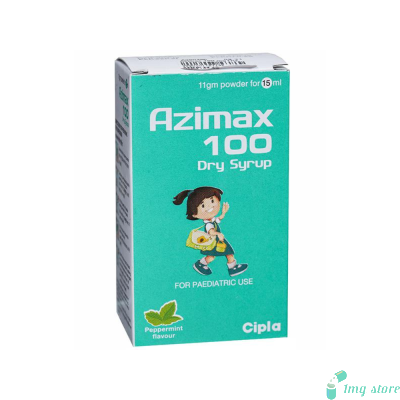
Zady Tablet (Azithromycin): Azithromycin - Antibiotic Medicine | for Bacterial Infections, Respiratory Tract Infections, Skin Infections and Ear Infections
Zady Tablet contains Azithromycin, an antibiotic medication used to treat a variety of bacterial infections. It works by stopping the growth of susceptible bacteria in the body and is commonly prescribed for certain respiratory, ear, throat, skin, and other bacterial infections in adults and children, as directed by a healthcare professional.


Product Overview
Zady Tablet contains Azithromycin, a macrolide antibiotic used to treat a range of susceptible bacterial infections. It works by interfering with bacterial protein production, which prevents bacteria from growing and multiplying.
Azithromycin is commonly prescribed for certain respiratory tract, ear, throat, skin, and other bacterial infections. It should be used only when prescribed by a qualified healthcare professional, as antibiotics are not effective against viral infections such as the common cold or flu.
Pharmacological Profile
| Parameter | Details |
| Active Ingredient | Azithromycin |
| Drug Class | Macrolide Antibiotic |
| Dosage Form | Oral Tablet |
| Target Organisms | Susceptible bacteria |
Mechanism Insights (How It Works)
- Bacterial Protein Inhibition
Azithromycin binds to the 50S subunit of bacterial ribosomes, interfering with the protein-synthesis process required for bacterial growth. - Growth Suppression
By reducing the production of essential bacterial proteins, the medicine limits the ability of susceptible bacteria to grow and multiply. - Bacterial Clearance
As bacterial growth is suppressed, the body's immune system can help eliminate the remaining bacteria, supporting recovery from the infection.
Administration Guidelines
- Take Zady Tablet strictly according to the physician's prescription.
- Swallow the tablet with water.
- Follow the prescribed dose and treatment duration.
- It may be taken with or without food, depending on the specific formulation and medical advice.
- Complete the prescribed course unless your healthcare professional advises otherwise.
- Do not use antibiotics for viral infections such as influenza or the common cold.
Clinical Considerations
- Used for infections caused by susceptible bacteria.
- The appropriate dose and duration depend on the type and severity of infection.
- Unnecessary or improper antibiotic use can contribute to antimicrobial resistance
- Common adverse effects may include nausea, diarrhea, abdominal discomfort, or headache.
- Patients with certain heart rhythm problems, liver conditions, or a history of antibiotic-associated diarrhea should inform their healthcare professional before use.
- Drug interactions should be reviewed before starting treatment.
.
Precautions:
Usage
General Usage Information
Zady Tablet (Azithromycin) is an antibiotic used to treat certain bacterial infections by interfering with the growth of susceptible bacteria. Its effectiveness depends on taking the correct dose, following the prescribed schedule, and completing the recommended course of treatment.
Key Usage Points
✔ Take Zady Tablet exactly as prescribed by a healthcare professional
✔ Swallow the tablet with water; do not crush or chew unless advised
✔ It can generally be taken with or without food, as directed
✔ Complete the full prescribed course even if symptoms improve early
✔ Do not use antibiotics for viral infections such as the common cold or flu
✔ Avoid skipping doses to help maintain effective treatment
Uses
Zady Tablet is commonly used for the treatment of certain bacterial infections, including some respiratory tract, ear, skin, and other infections caused by susceptible bacteria. The specific use depends on the type and severity of the infection.
How to Use
- Take orally with a glass of water
- Follow the prescribed dose and treatment duration carefully
- Take at approximately the same time each day when multiple doses are prescribed
- Azithromycin may be taken with or without food, depending on the formulation and medical advice
- Dosage varies according to the infection, age, medical condition, and other individual factors
- Do not stop treatment early unless advised by a healthcare professional
Side Effects
General Safety Information
Zady Tablet (Azithromycin) is generally well tolerated when used as prescribed. Most side effects are mild and temporary, but their occurrence may vary depending on the individual’s health condition, dosage, and duration of treatment.
Common Side Effects
✔ Nausea or vomiting
✔ Abdominal pain or discomfort
✔ Diarrhea or loose stools
✔ Headache
✔ Dizziness
These effects are usually mild and may resolve on their own. If they persist or become bothersome, consult a healthcare professional.
Serious Side Effects (Rare but Important)
⚠ Seek medical attention if you experience:
- Severe or persistent diarrhea
- Signs of an allergic reaction, such as rash, itching, swelling, or difficulty breathing
- Yellowing of the skin or eyes or dark urine, which may indicate liver problems
- Severe or irregular heartbeat, fainting, or unusual palpitations
- Severe abdominal pain
- Unusual weakness or persistent dizziness
Risk Factors & Monitoring
- Extra caution may be required in patients with liver disease.
- Patients with a history of heart rhythm problems or prolonged QT interval should inform their healthcare provider before use.
- Tell your doctor about other medicines you are taking, as some medications may interact with azithromycin.
- Complete the prescribed course unless your healthcare professional advises otherwise.
FAQs
Interactions
General Interaction Overview
Zady Tablet (Azithromycin) may interact with certain medicines and substances, potentially affecting its effectiveness or increasing the risk of side effects. Before starting treatment, inform your healthcare provider about all prescription medicines, over-the-counter products, and supplements you are using.
Commonly Reported Interactions
- Antacids containing aluminum or magnesium may reduce the absorption of azithromycin when taken at the same time.
- Warfarin and other blood thinners may require monitoring because azithromycin can potentially affect blood-clotting effects.
- Digoxin may have increased blood levels when used with azithromycin, which can raise the risk of adverse effects.
- Medicines that affect heart rhythm, such as certain antiarrhythmics and some antidepressants, may increase the risk of QT prolongation and abnormal heart rhythms.
- Other medicines that can prolong the QT interval should be used cautiously with azithromycin, particularly in people with existing heart-rhythm problems.
- Nelfinavir and some other medicines may increase azithromycin exposure and the likelihood of side effects.
It is important to tell your doctor about all medicines and supplements you are taking before using Zady Tablet. Do not start, stop, or change any medication without professional medical advice.
| Manufacturer | : | Mankind Pharma Ltd |
| Equivalent Brand | : | Zithromax |
| Generic Search | : | Azithromycin |
Latest Products