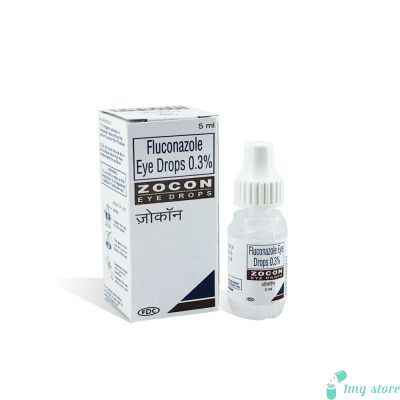
Zaha Eye Drop (Azithromycin) | For Bacterial Conjunctivitis, Eye Infections & Ocular Irritation Relief
Zaha Eye Drop (Azithromycin), an help manage bacterial eye infections. It works by stopping the growth of bacteria and supports faster recovery from eye discomfort, redness, and irritation caused by bacterial infections.


Product Overview
Zaha Eye Drop contains Azithromycin, an antibiotic used to treat certain bacterial eye infections, particularly bacterial conjunctivitis (pink eye). It works by interfering with the bacteria's ability to produce proteins needed for their growth and multiplication. This helps control the infection and may relieve symptoms such as eye redness, discharge, irritation, and discomfort. It is intended for bacterial infections and does not treat eye problems caused by viruses or allergies.
How Does Zaha Eye Drop Work? (Pharmacodynamics)
Azithromycin belongs to a group of antibiotics called macrolides. It works by targeting the bacterial 50S ribosomal subunit, which is responsible for making proteins that bacteria need to survive and multiply.
By interfering with this protein-production process, azithromycin slows bacterial growth and helps the body's natural defence system clear the infection. Its activity against susceptible bacteria helps reduce the infection and associated eye symptoms.
Understanding Its Role in the Body
Zaha Eye Drop delivers the antibiotic directly to the affected eye, allowing it to act at the site of infection. It helps manage bacterial growth rather than providing immediate relief from every type of eye irritation.
As the infection improves, symptoms such as redness, discharge, and discomfort may gradually decrease. Completing the prescribed treatment is important, even if the eyes start feeling better earlier.
Expected Results
Some improvement in eye symptoms may be noticed within the first few days of treatment. Redness, discharge, and irritation generally improve as the bacterial infection comes under control. The recovery period depends on the severity of the infection and the bacteria involved. Consult an eye specialist if symptoms worsen or fail to improve.
Pharmacokinetics: How the Body Processes It
After Zaha Eye Drop is applied, azithromycin mainly acts on the surface and tissues of the eye.
- Absorption: A small amount may pass through the eye tissues, while much of the medicine remains available at the application site.
- Distribution: The medicine reaches the tear film and surrounding eye tissues, where it acts against susceptible bacteria.
- Metabolism: Any absorbed azithromycin is processed mainly by the liver.
- Elimination: The absorbed medicine is gradually removed from the body, primarily through the biliary route and faeces.
The topical route helps deliver the medicine directly to the affected area while limiting overall exposure compared with oral administration.
Clinical Considerations
- Eye irritation: Temporary stinging, burning, itching, or mild discomfort may occur after application.
- Allergic reactions: Stop using the drops and seek medical advice if you develop significant swelling, a rash, or worsening irritation.
- Contact lenses: Avoid wearing contact lenses while experiencing an active eye infection unless your eye specialist advises otherwise.
- Application hygiene: Wash your hands before use and avoid touching the dropper tip to your eye, fingers, or other surfaces.
- Other eye medicines: Inform your doctor if you use additional eye drops or ointments. Follow the recommended interval between different products.
- Correct use: Use only in the affected eye as prescribed. Do not share your eye drops with anyone else.
- Persistent symptoms: Seek medical advice if you experience eye pain, sensitivity to light, vision changes, or symptoms that do not improve.
Quick Reference Table
| Particulars | Details |
| Brand name | Zaha Eye Drop |
| Active ingredient | Azithromycin |
| Medicine category | Macrolide antibiotic |
| Dosage form | Ophthalmic solution |
| Administration | Topical application to the eye |
| Main purpose | Treatment of susceptible bacterial eye infections |
| Common treatment condition | Bacterial conjunctivitis |
| Main action | Prevents bacterial protein production |
Storage Instructions
Store Zaha Eye Drop according to the temperature mentioned on its packaging. Keep the bottle tightly closed, away from direct sunlight and excessive heat. Avoid touching the dropper tip and do not use the drops beyond the recommended period after opening. Keep them out of reach of children.
Summary
Zaha Eye Drop contains azithromycin, an antibiotic that helps control bacterial eye infections by interfering with bacterial protein production. It may reduce redness, discharge, and irritation as the infection improves. Use it for the prescribed duration, maintain proper application hygiene, and consult an eye specialist if symptoms persist or worsen.
Precautions
Zaha Eye Drop should be used carefully to treat bacterial eye infections and reduce the risk of irritation or unwanted reactions. Certain eye conditions, allergies, and contact lens habits may affect how comfortably the medicine can be used. Following proper application instructions and maintaining eye hygiene can help support safe treatment.
Before You Start
Check for allergies: Inform your doctor if you have previously experienced an allergic reaction to azithromycin, erythromycin, or other macrolide antibiotics.
Discuss existing eye problems: Tell your doctor if you have any ongoing eye infection, injury, inflammation, or other eye condition.
Mention previous reactions: Inform your doctor if you have experienced irritation, swelling, or discomfort after using antibiotic eye drops.
Share your medication list: Let your doctor know about other eye drops, ointments, or medicines you are currently using.
Pregnancy or breastfeeding: Discuss using Zaha Eye Drop with your doctor to determine whether it is appropriate for you.
While Using It
Follow the prescribed schedule: Use Zaha Eye Drop in the recommended amount and for the prescribed duration. Do not stop treatment early just because your eyes feel better.
Maintain proper hygiene: Wash your hands before applying the drops and avoid touching the dropper tip to your eyes, fingers, or other surfaces.
Remove contact lenses: Avoid wearing contact lenses while treating an eye infection unless your doctor specifically advises otherwise.
Avoid sharing eye drops: Never share your bottle with another person, as this may spread infection.
Be careful with other eye medicines: If you use additional eye drops, ask your doctor how much time to leave between applications.
Avoid unnecessary use: Do not use Zaha for viral or fungal eye infections, as azithromycin works against susceptible bacteria.
When to Seek Medical Help
Severe irritation: Contact your doctor if you experience persistent burning, redness, itching, or swelling that does not improve.
Allergic reactions: Seek immediate medical attention if you develop eyelid swelling, facial swelling, a severe rash, or breathing difficulties.
Changes in vision: Report blurred vision, increasing eye pain, or sensitivity to light that persists or becomes worse.
Worsening infection: Consult your doctor if eye discharge, redness, or discomfort increases or does not improve during treatment.
Note:
Zaha Eye Drop should be used only as prescribed and is intended for bacterial eye infections caused by susceptible organisms. Do not use it for every type of red or irritated eye, as viral and allergic eye conditions require different treatment. Maintain proper dropper hygiene and complete the prescribed course even if symptoms begin to improve.
Usage
Use as prescribed: Apply Zaha Eye Drop (Azithromycin) according to your doctor's instructions. The number of drops and treatment duration depend on the eye infection being treated.
Prepare your eyes: Wash your hands before using the drops. If there is discharge around the eyelids, gently clean it with a clean, damp cotton pad.
Apply carefully: Tilt your head back, gently pull down the lower eyelid, and place the prescribed number of drops into the small pocket without touching the dropper tip to your eye or eyelashes.
Avoid contamination: Close the bottle tightly after use and do not allow the dropper tip to touch your fingers, eyes, or other surfaces.
Missed a dose? Use the drops when you remember. If it is nearly time for your next application, skip the missed dose and continue with your regular schedule. Do not use extra drops.
Using other eye medicines? If you have been prescribed additional eye drops or ointments, ask your doctor about the correct order and time gap between applications.
Complete the treatment: Continue using the drops for the prescribed duration, even if your eyes start feeling better earlier. Contact your doctor if irritation, redness, or discharge worsens.
Uses
Zaha Eye Drop contains Azithromycin, a macrolide antibiotic that helps treat certain bacterial eye infections by interfering with bacterial protein production, preventing susceptible bacteria from growing and multiplying.
Bacterial conjunctivitis: Used to treat certain bacterial infections affecting the thin membrane covering the white part of the eye and inner eyelids.
Redness and irritation: Helps address redness, discharge, and irritation associated with susceptible bacterial eye infections.
Bacterial growth control: Works against susceptible bacteria responsible for certain eye infections.
Eye discharge: Helps manage infection-related discharge when it is caused by bacteria sensitive to azithromycin.
Summary
Zaha Eye Drop helps treat certain bacterial eye infections by controlling the growth of susceptible bacteria. Use it carefully, maintain good dropper hygiene, and complete the prescribed course. It does not treat viral or allergic eye conditions, so proper diagnosis is important before starting treatment.
Side Effects
Zaha Eye Drops contain Azithromycin, an antibiotic used to treat certain bacterial eye infections. Some people may experience mild eye discomfort or irritation during treatment. Side effects can vary depending on individual sensitivity and the response to the medicine.
Common Side Effects
Eye irritation: Mild burning, stinging, or discomfort after applying the drops.
Blurred vision: Temporary blurring may occur immediately after application.
Eye redness: The treated eye may become slightly red.
Eye itching: Mild itching or irritation around the eyes may occur.
Dry eyes: Some people may experience dryness or a gritty sensation.
Eye discharge: Temporary discharge or discomfort may occur during treatment.
Unusual taste: A bitter or unpleasant taste in the mouth may develop when some medicine drains through the tear duct.
Serious Side Effects
Severe allergic reactions: Swelling of the eyelids, face, or throat, skin rash, or difficulty breathing requires immediate medical attention.
Severe eye irritation: Persistent burning, intense redness, or eye pain needs medical assessment.
Eyelid swelling: Significant or worsening swelling around the eyes should be checked by a doctor.
Vision changes: Persistent blurred vision or sudden changes in eyesight require prompt medical attention.
Severe skin reactions: Widespread rash, blistering, or peeling should be assessed immediately.
Note: Use Zaha Eye Drops for the prescribed duration, even if your symptoms begin to improve. Wash your hands before application and avoid touching the dropper tip to your eye or other surfaces. Do not wear contact lenses during an active eye infection unless your doctor advises otherwise.
FAQs
1. What is Zaha Eye Drop used for?
Zaha Eye Drop contains azithromycin, an antibiotic used to treat certain bacterial eye infections, including bacterial conjunctivitis. It helps control the bacteria responsible for the infection.
2. How does Zaha Eye Drop work?
Azithromycin works by interfering with the bacteria's ability to produce proteins needed for their growth and multiplication. This helps stop the infection from spreading and allows the eye to recover.
3. How should Zaha Eye Drop be used?
Wash your hands before application, gently pull down your lower eyelid, and place the prescribed number of drops into the affected eye. Avoid touching the dropper tip to your eye or any surface.
4. How long does Zaha Eye Drop take to work?
You may notice an improvement in symptoms within a few days. However, the time needed for recovery can vary depending on the severity of the infection and your response to treatment.
5. What are the common side effects of Zaha Eye Drop?
Some people may experience temporary eye irritation, burning, itching, redness, blurred vision, or discomfort after applying the drops.
6. Can Zaha Eye Drop be used for viral or allergic eye infections?
No. Zaha is an antibiotic intended for certain bacterial eye infections. It does not treat viral infections or eye allergies.
7. Can I wear contact lenses while using Zaha Eye Drop?
It is generally advisable to avoid wearing contact lenses during an active eye infection. Ask your eye doctor when it is safe to start wearing them again.
8. What should I do if I miss a dose of Zaha Eye Drop?
Apply the missed dose when you remember, unless it is almost time for your next dose. Do not use extra drops to make up for a missed application.
9. Can Zaha Eye Drop be used in both eyes?
Use it only in the affected eye or eyes as directed by your doctor. Do not apply it to the unaffected eye unless specifically advised.
10. Can I stop using Zaha Eye Drop once my eyes feel better?
Follow the prescribed treatment schedule even if your symptoms improve. Stopping treatment earlier than advised may affect how well the infection is treated.
Interactions
Although Zaha Eye Drops are applied directly to the eyes, it is still important to be careful when using them with other eye medications or treatments. Using multiple products together may cause additional irritation or affect how well each treatment works. Inform your healthcare professional about all eye drops and medicines you currently use.
1. Other Antibiotic Eye Drops
Using multiple antibiotic eye drops together may not always be necessary and could increase eye irritation.
Use another antibiotic eye treatment only if recommended by your healthcare professional.
2. Other Medicated Eye Drops
Combining Zaha with other prescription eye drops may require proper timing between applications.
Follow your healthcare professional's instructions about the order and time gap.
3. Steroid Eye Drops
Using steroid eye drops alongside antibiotic treatment may require careful monitoring, particularly if an eye infection is present.
Do not combine them unless prescribed by an eye specialist.
4. Contact Lens Products
Some eye preparations may not be suitable for use while wearing contact lenses.
Follow the product instructions and your eye specialist's advice before wearing lenses during treatment.
Tips to Avoid Interactions
Inform your healthcare professional about all eye drops, ointments, and medicines you use.
Maintain the recommended time gap between different eye medications.
Do not mix different eye drops or use someone else's medication.
Follow the prescribed treatment schedule, even if your eye symptoms begin to improve.
Note: Significant interactions with other medicines are generally less likely because azithromycin eye drops have limited absorption into the bloodstream. However, combining eye treatments without guidance may affect comfort and treatment outcomes. Consult your healthcare professional if irritation, redness, or discomfort worsens
| Manufacturer | : | Ajanta Pharma, India |
| Equivalent Brand | : | AzaSite |
| Generic Search | : | Azithromycin |
Latest Products