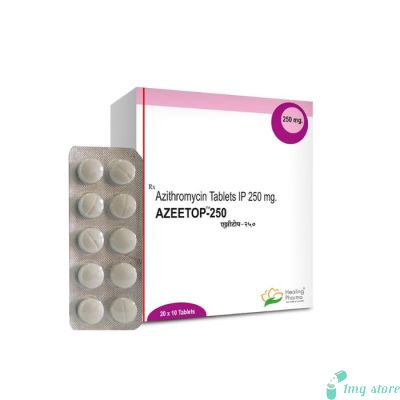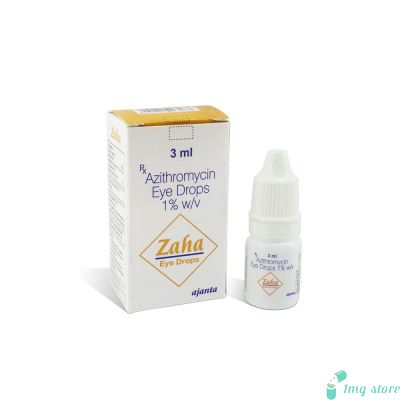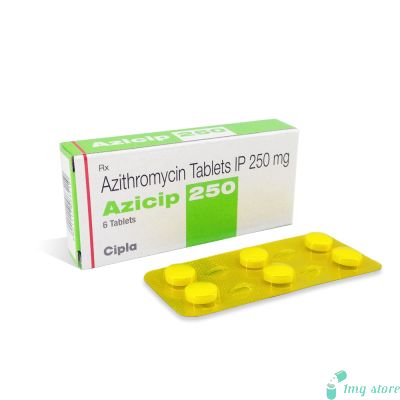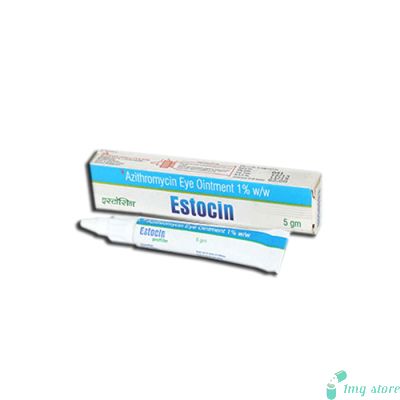
Azee Tablet (Azithromycin): Antibiotic Tablet | For Bacterial Infections, Respiratory Tract Infections Management
Azee Tablet trusted antibiotic used to manage various bacterial infections affecting the respiratory system, throat, ears, skin, and soft tissues. It works by stopping the growth of bacteria, helping the body recover smoothly and effectively.


Product Overview
Azee Tablet contains azithromycin, an antibiotic used to treat various bacterial infections affecting the throat, ears, sinuses, lungs, and skin. It works by stopping bacteria from making the proteins they need to grow and multiply. This allows the body's natural defences to clear the infection more effectively. Azee is effective against certain bacteria but does not work against viral illnesses such as the common cold or flu.
How Does Azee Tablet Work? (Pharmacodynamics)
Azithromycin belongs to a group of antibiotics called macrolides. It attaches to a part of the bacterial cell called the 50S ribosomal subunit, which bacteria use to produce proteins.
By interrupting this process, Azee slows bacterial growth and helps control the infection. Think of it as stopping bacteria from making the materials they need to survive and spread.
Understanding Its Role in the Body
Azee helps manage bacterial infections by reducing the growth of susceptible bacteria. As the infection comes under control, symptoms such as throat discomfort, fever, coughing, or swelling may gradually improve.
However, it is important to remember that Azee treats bacterial infections, not every type of cough, fever, or sore throat.
Pharmacokinetics: How the Body Processes It
After taking Azee Tablet, azithromycin is absorbed into the bloodstream and distributed throughout the body, including the tissues affected by infection.
- Absorption: The medicine usually reaches its highest blood concentration approximately 2–3 hours after taking an immediate-release tablet.
- Distribution: It enters body tissues and immune cells, helping it reach areas where bacteria are present.
- Elimination: Azithromycin leaves the body slowly, mainly through the bile, with a smaller amount eliminated through urine.
- Long-lasting action: Its extended presence in tissues allows once-daily dosing and relatively short treatment courses for many infections.
Clinical Considerations
- Complete the prescribed course: Do not stop treatment early or change the duration without medical advice.
- Heart health: Tell your doctor if you have an irregular heartbeat or take medicines that affect heart rhythm.
- Liver problems: Inform your healthcare professional if you have a history of liver disease.
- Stomach discomfort: Nausea, loose stools, and abdominal discomfort may occur during treatment.
- Medicine interactions: Mention all medicines you take, especially antacids containing aluminium or magnesium, blood thinners, and certain heart medicines.
- Responsible use: Take Azee only when prescribed for a bacterial infection. Unnecessary antibiotic use can contribute to antibiotic resistance.
What Azee Tablet Is Used For
Azee Tablet is used to support recovery from different bacterial infections, including:
- Chest and respiratory infections
- Throat and tonsil infections
- Ear-related infections
- Skin and soft tissue infections
- Certain sinus-related infections
Key Benefits
- Broad coverage against many bacterial strains
- Helps improve infection-related symptoms
- Simple dosing schedule compared to some other antibiotics
- Commonly used for multiple infection types
Product Information Table
| Feature | Details |
| Active Ingredient | Azithromycin |
| Form | Tablet |
| Common Use | Bacterial infections |
| Action | Stops bacterial growth |
| Target Areas | Chest, throat, ears, skin |
Important Notes
Azee Tablet should be used only for bacterial conditions. It is important to complete the recommended course for better results and consistent recovery support.
Expected Results
Some people begin to feel better within 2–3 days of starting treatment, although recovery depends on the infection and its severity. Symptoms may take longer to disappear completely.
Even if you start feeling better, continue taking Azee for the full duration prescribed by your healthcare professional. Contact your doctor if symptoms worsen or do not improve as expected.
Storage Instructions
Store Azee Tablets in a cool, dry place, generally below 30°C, unless the packaging specifies otherwise. Protect them from moisture, excessive heat, and direct sunlight. Keep the tablets in their original packaging and out of children's reach.
Precautions
Azee Tablet contains azithromycin, an antibiotic used to treat certain bacterial infections. While it is generally well tolerated, some people may experience stomach discomfort, allergic reactions, or other side effects. Taking the medicine correctly and understanding a few important precautions can help support safe and effective treatment.
Before You Start
Consult your healthcare professional: Make sure Azee Tablet is suitable for your infection and health condition.
Check for allergies: Inform your doctor if you have previously experienced an allergic reaction to azithromycin, erythromycin, or similar antibiotics.
Discuss your medical history: Mention any liver problems, kidney conditions, heart rhythm disorders, or myasthenia gravis.
Mention other medicines: Tell your doctor about all medicines you take, especially heart rhythm medicines, blood thinners, and antacids.
Discuss pregnancy or breastfeeding: Seek medical advice before taking Azee Tablet if you are pregnant, planning pregnancy, or breastfeeding.
While Using It
Follow the prescribed dose: Take Azee Tablet exactly as directed, without changing the dose or schedule yourself.
Complete the prescribed course: Even if you start feeling better, continue treatment for the recommended duration unless your doctor advises otherwise.
Take it correctly: Azithromycin tablets can generally be taken with or without food. Taking them with food may help reduce stomach discomfort.
Be careful with antacids: Avoid taking aluminium- or magnesium-containing antacids at the same time as azithromycin.
Watch for digestive discomfort: Mild nausea, loose stools, or stomach pain may occur during treatment.
Avoid unnecessary use: Do not take Azee Tablet for common viral illnesses such as colds or flu.
When to Seek Medical Help
Allergic reactions: Seek immediate medical attention if you develop facial swelling, breathing difficulties, or a severe skin reaction.
Severe diarrhoea: Contact your doctor if you experience persistent, watery, or bloody diarrhoea.
Liver-related symptoms: Report yellowing of the skin or eyes, dark urine, or unusual tiredness.
Heart rhythm changes: Seek prompt medical attention if you experience an irregular heartbeat, severe dizziness, or fainting.
Persistent infection symptoms: Consult your doctor if your condition does not improve or becomes worse.
Note:
Azee Tablet should be taken only as prescribed for a bacterial infection. Follow the recommended dosage and treatment duration, and avoid taking extra doses if you miss one.
Usage
Take it as prescribed: Azee Tablet (Azithromycin) is usually taken once daily, but the dose and treatment duration depend on the type of bacterial infection and your doctor's instructions.
Take it at a convenient time: Swallow the tablet with water, preferably at the same time each day. Most regular tablets can be taken with or without food.
Complete your treatment: Even if you start feeling better, continue taking Azee for the full prescribed duration. Stopping early may allow the infection to return.
Keep a gap from antacids: Avoid taking aluminium- or magnesium-containing antacids at the same time as Azee, as they may affect how the medicine is absorbed.
Missed a dose? Take it when you remember, unless your next dose is almost due. Never take two doses together.
Watch for stomach discomfort: Mild nausea, loose stools, or abdominal discomfort may occur. Contact your doctor if symptoms become severe or persistent.
Be mindful of existing conditions: Inform your doctor if you have liver problems, an irregular heartbeat, or take medicines that affect heart rhythm.
Uses
Azee Tablet contains Azithromycin, a macrolide antibiotic that helps treat certain bacterial infections by stopping bacteria from producing proteins needed for their growth.
Throat and tonsil infections: Helps treat certain bacterial infections affecting the throat and tonsils.
Respiratory tract infections: May be prescribed for bacterial chest infections, including certain types of pneumonia.
Sinus infections: Helps manage susceptible bacterial infections affecting the sinuses.
Ear infections: May be used to treat certain bacterial middle-ear infections.
Skin infections: Helps treat specific bacterial infections affecting the skin and soft tissues.
Note: Azee Tablet works against susceptible bacteria, not viral illnesses such as the common cold or flu. The appropriate dose and duration depend on the infection, age, and prescribed tablet strength. Seek medical attention if you develop a severe allergic reaction, persistent watery diarrhoea, or an unusual heartbeat.
Side Effects
Azee Tablet (Azithromycin) may cause mild side effects such as nausea, stomach discomfort, or diarrhoea as the body responds to the medicine. These effects are usually temporary and may vary depending on the dose and individual response. Not everyone experiences them.
Common Side Effects
Nausea: You may feel sick or uneasy in your stomach.
Diarrhoea: You may experience loose or frequent stools.
Stomach Pain: Mild cramps or abdominal discomfort may occur.
Vomiting: Some people may feel sick enough to throw up.
Headache: You may experience mild headaches.
Serious Side Effects
Allergic Reactions: Facial swelling, severe rashes, or difficulty breathing require emergency care.
Heart Rhythm Changes: A fast or irregular heartbeat, severe dizziness, or fainting needs urgent medical attention.
Liver Problems: Yellowing of the skin or eyes, dark urine, or unusual tiredness may indicate liver problems.
Severe Diarrhoea: Persistent, watery, or bloody stools may indicate a serious intestinal infection.
Severe Skin Reactions: Blistering, peeling skin, or painful rashes require immediate medical attention.
Note: Take Azee Tablet only as prescribed. Do not change the dose or stop treatment early without medical advice. Contact your healthcare professional if side effects persist or worsen, and seek immediate help for serious reactions.
FAQs
1. What is Azee Tablet used for?
Azee Tablet contains azithromycin, an antibiotic used to treat bacterial infections affecting the throat, ears, sinuses, lungs, and skin.
2. How does Azee Tablet work?
Azee Tablet stops bacteria from making the proteins they need to grow and multiply. This helps the body fight the infection.
3. How should I take Azee Tablet?
Take Azee Tablet exactly as prescribed by your doctor. Swallow it with water and complete the recommended treatment course, even if you start feeling better.
4. Can I take Azee Tablet with food?
Yes, Azee Tablets can generally be taken with or without food. Taking them with food may help reduce stomach discomfort.
5. What are the common side effects of Azee Tablet?
Some people may experience nausea, diarrhoea, stomach pain, or vomiting. These effects are usually mild, but consult your doctor if they persist or worsen.
6. How long does Azee Tablet take to work?
Azee Tablet starts fighting bacteria after you take it, but noticeable improvement may take a few days, depending on the infection.
7. Can Azee Tablet treat a cold or flu?
No. Azee Tablet works against certain bacterial infections, not viral illnesses such as the common cold or flu.
8. What happens if I miss a dose of Azee Tablet?
Take the missed dose when you remember, unless it is almost time for your next dose. Never take two doses together to make up for a missed one.
9. Who should be careful while taking Azee Tablet?
People with liver problems, irregular heart rhythms, or a history of allergic reactions to antibiotics should inform their doctor before taking Azee Tablet.
10. Can I stop taking Azee Tablet once I feel better?
Do not stop taking Azee Tablet on your own. Follow the prescribed treatment duration to help ensure the infection is treated properly.
Interactions
Azee Tablets contain azithromycin, an antibiotic used to treat certain bacterial infections. While it works well with many medicines, some combinations may affect its action or increase the chance of side effects. Knowing which medicines need extra care can help you use Azee safely.
1. Antacids (Acidity Medicines)
Antacids containing aluminium or magnesium may reduce how quickly azithromycin is absorbed.
Avoid taking them at the same time as Azee Tablets. Keep a gap of at least 2 hours unless advised otherwise.
2. Blood-Thinning Medicines
Medicines such as warfarin may increase the risk of bleeding when taken with azithromycin.
Your healthcare professional may recommend closer monitoring of blood clotting levels.
3. Heart Rhythm Medicines
Medicines such as amiodarone and sotalol may increase the risk of an irregular heartbeat when combined with azithromycin.
Inform your healthcare professional if you take medicines for heart rhythm problems.
4. Cholesterol-Lowering Medicines
Certain statins, such as atorvastatin, may occasionally increase the risk of muscle-related side effects when used with azithromycin.
Report unusual muscle pain, tenderness, or weakness.
5. Digoxin (Heart Medicine)
Azithromycin may increase digoxin levels in some people, raising the chance of side effects.
Your healthcare professional may monitor your treatment more closely.
6. Other Antibiotics and Medicines
Some medicines, including certain antibiotics, antidepressants, and antipsychotics, may increase the risk of heart rhythm changes.
Tell your healthcare professional about all medicines you currently take.
Tips to Avoid Interactions
Share a complete list of your medicines, supplements, and herbal products.
Follow the prescribed dose and timing of Azee Tablets.
Do not start, stop, or combine medicines without medical advice.
Seek medical attention if you experience a racing heartbeat, fainting, or unusual dizziness.
Note: Not everyone experiences medicine interactions. The risk depends on your health, the medicines you take, and their doses. Consult your healthcare professional before combining Azee Tablets with other treatments.
| Manufacturer | : | Cipla Pharma, India |
| Equivalent Brand | : | Zithromax |
| Generic Search | : | Azithromycin |
Latest Products